Mesoamerican Carnivores


Project Details
Vertical hunting — the ability of wild cats to hunt both on the ground and in trees — may help multiple carnivore species coexist in Guatemala’s forests.
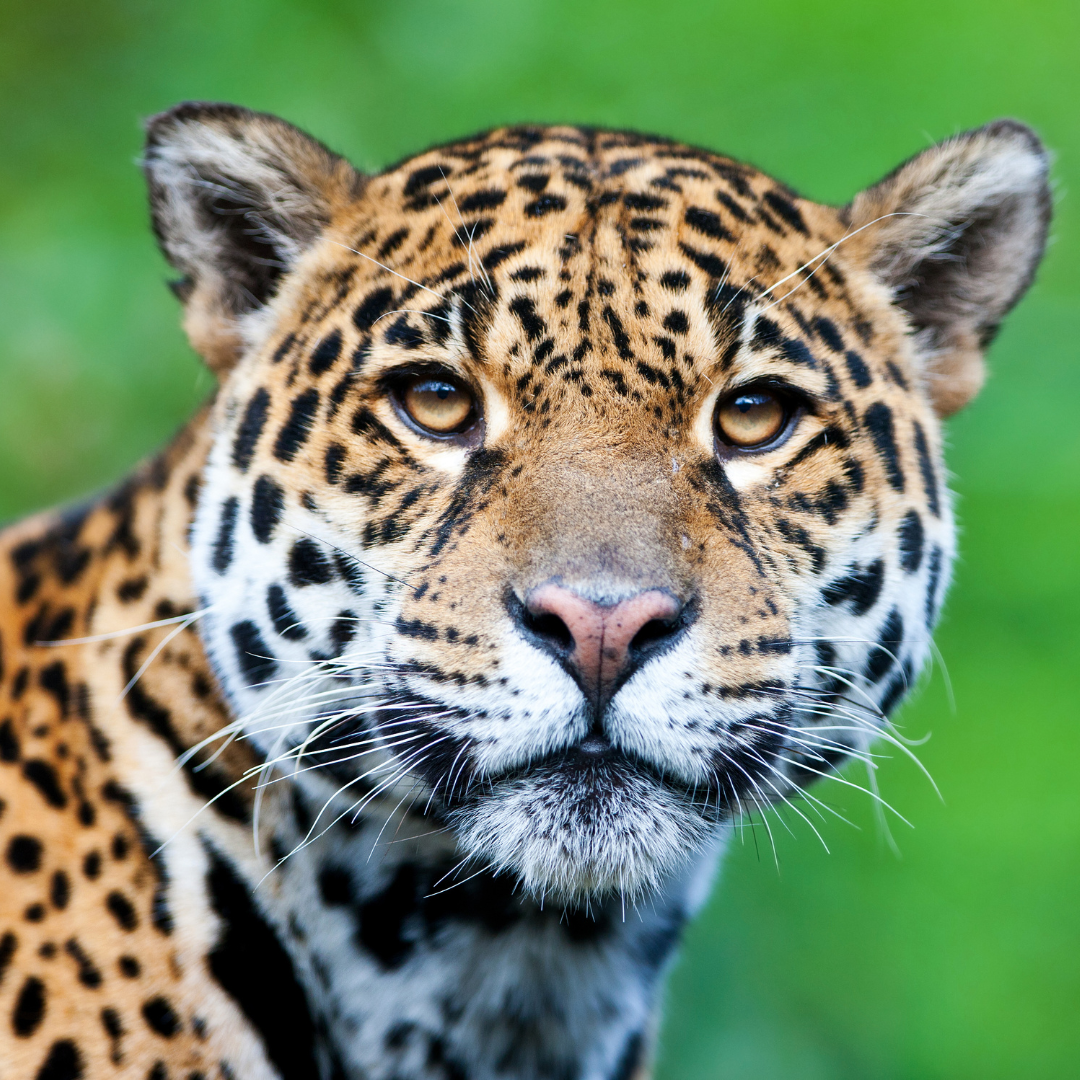
Jaguar
Panthera onca
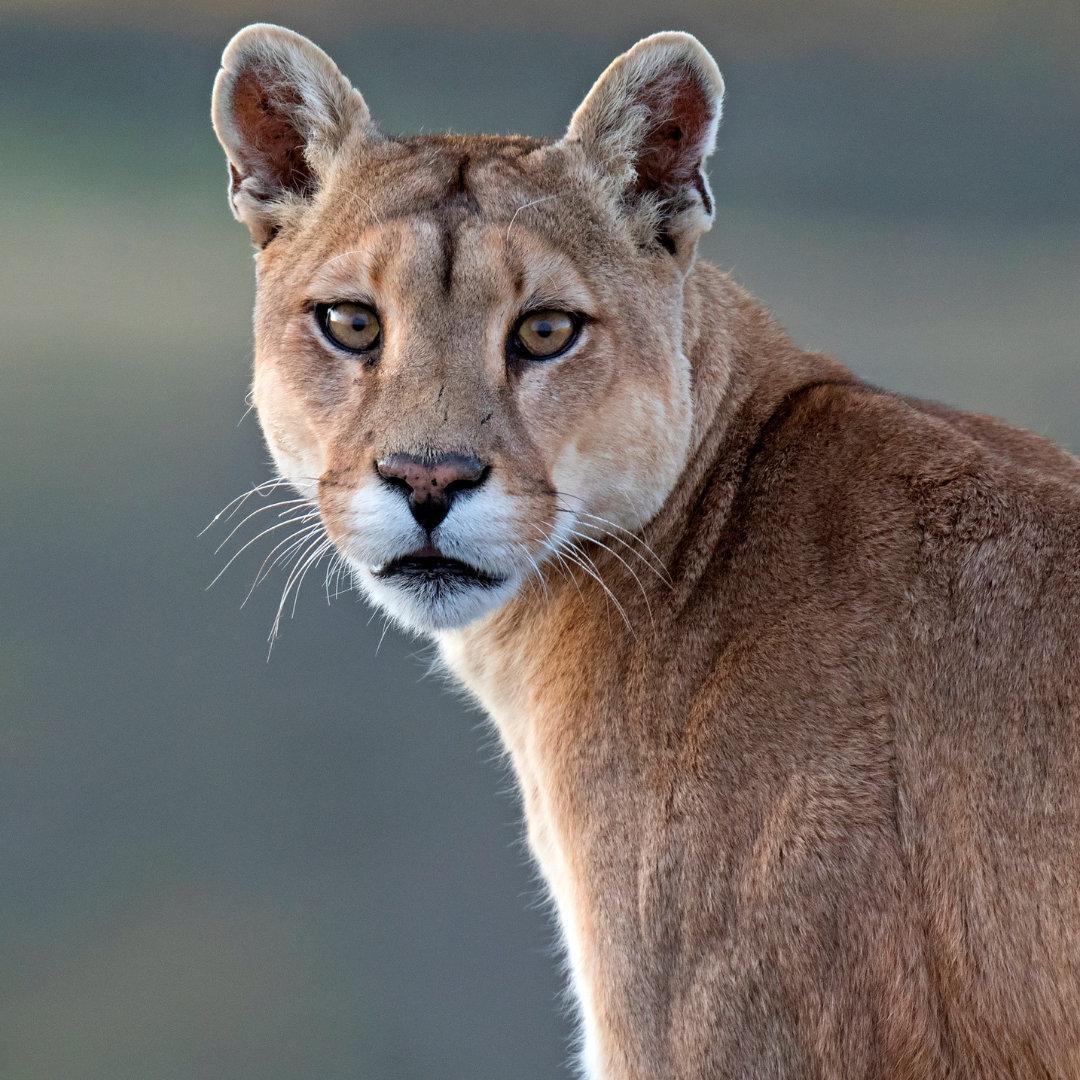
Mountain Lion
Puma concolor
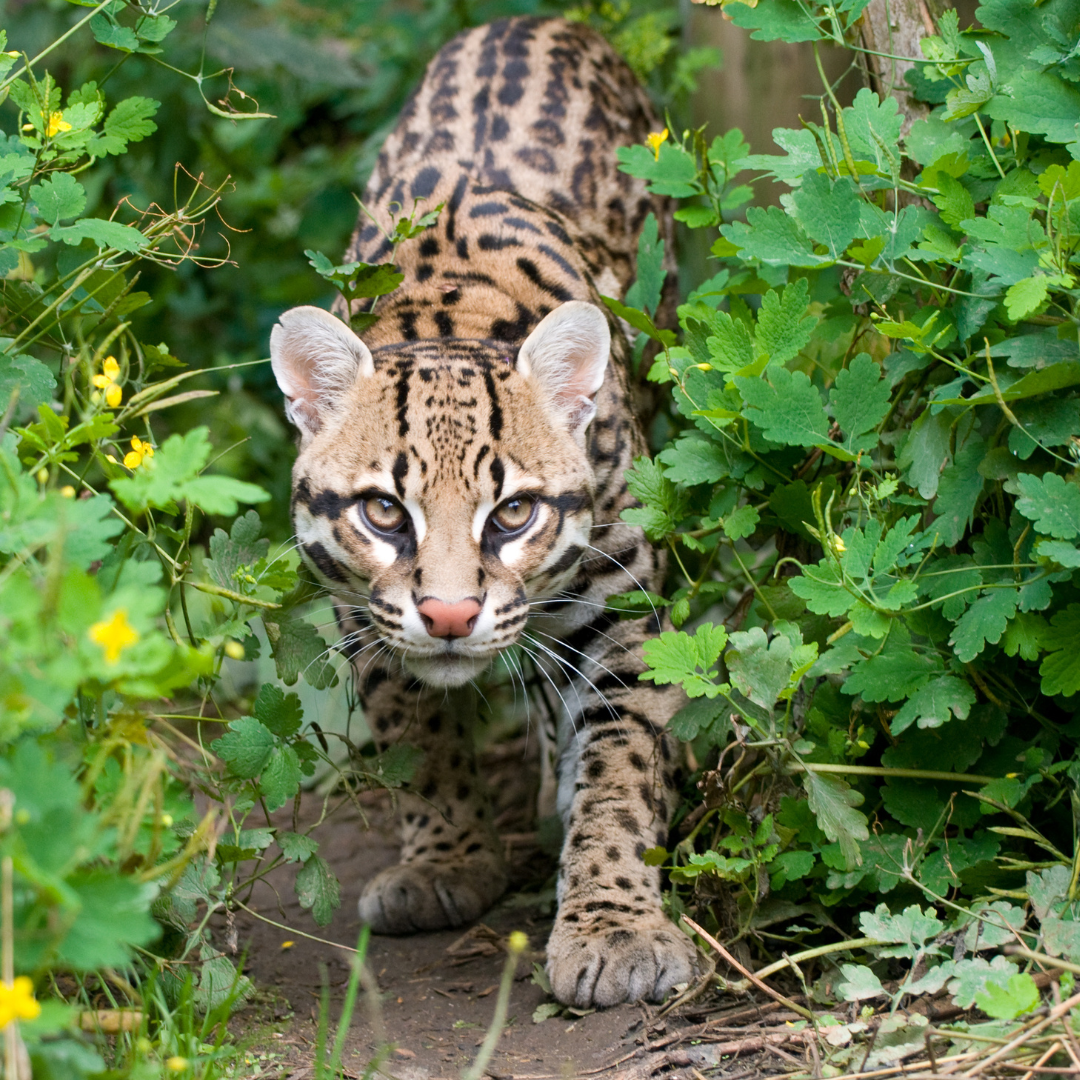
Ocelot
Leopardus pardalis
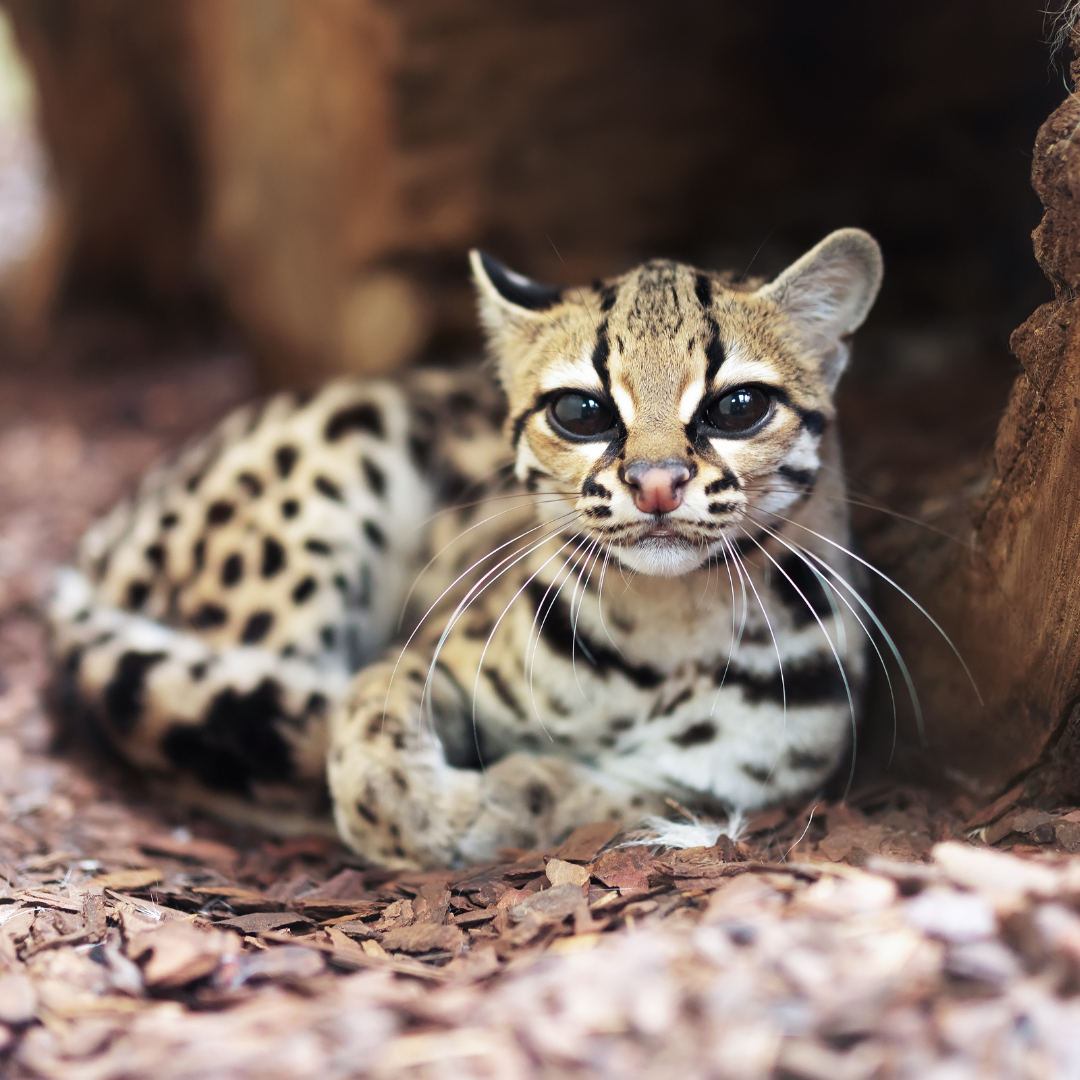
Margay
Leopardus wiedii
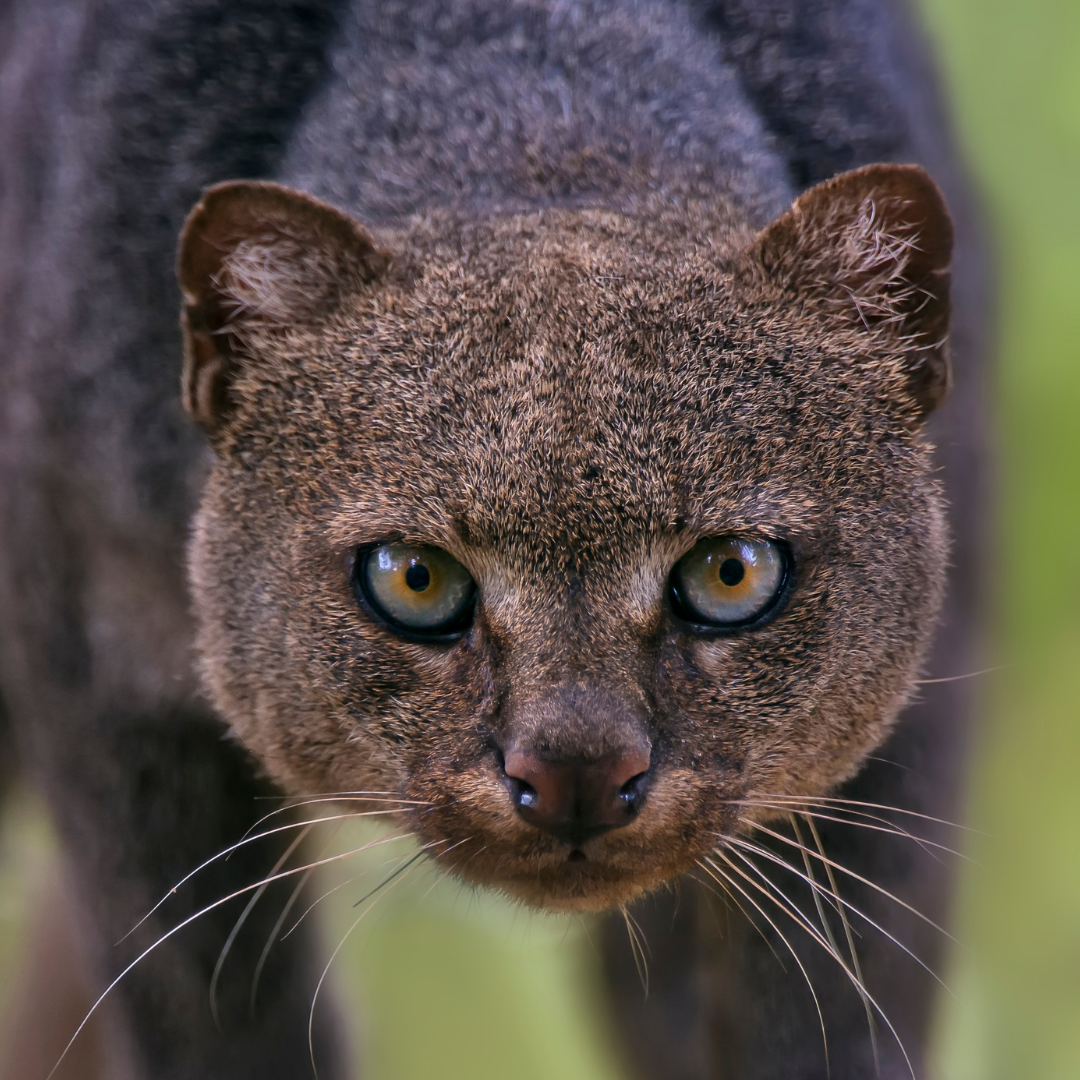
Jaguarundi
Puma yagouaroundi
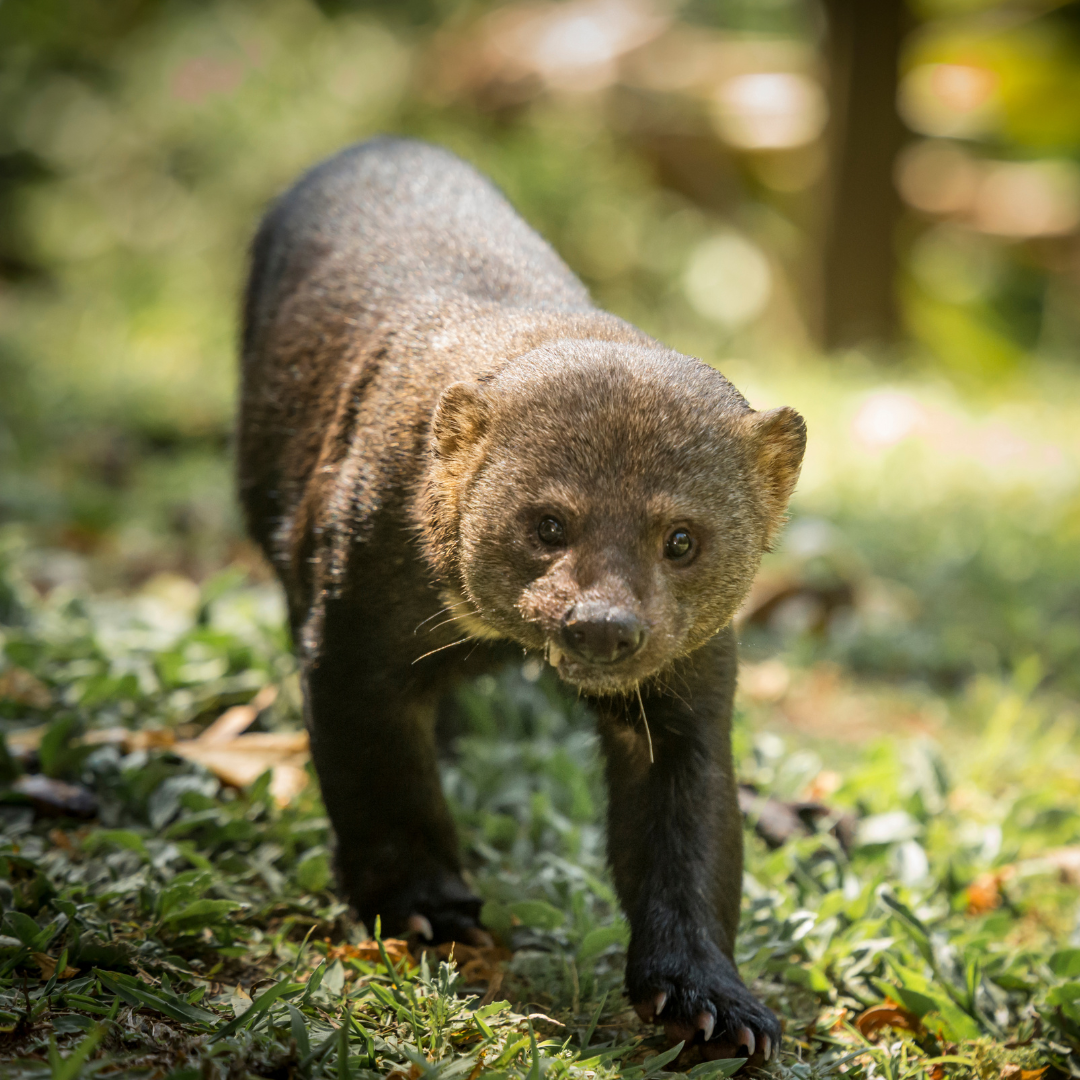
Tayra
Eira barbara
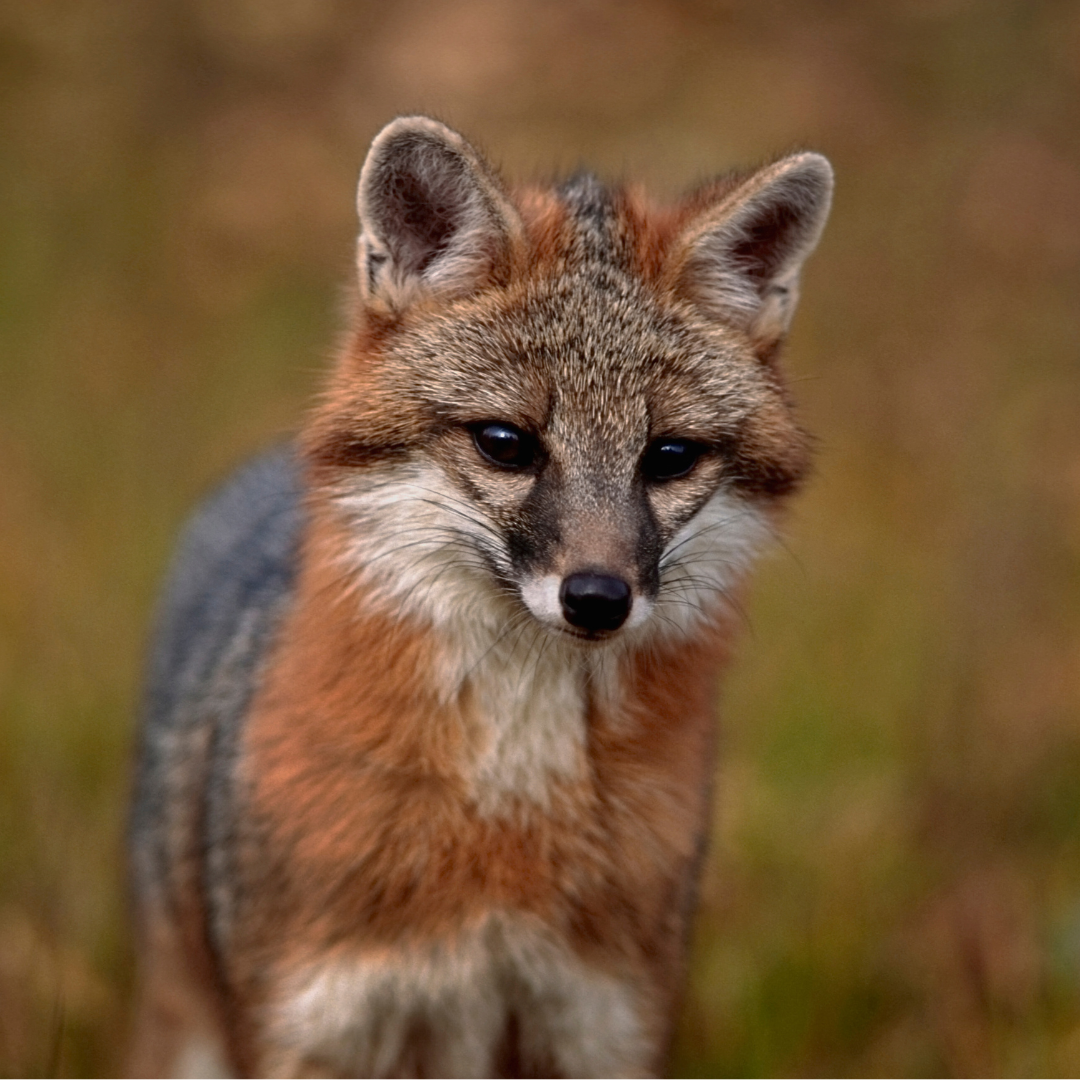
Gray Fox
Urocyon cinereoargenteus
Project Overview
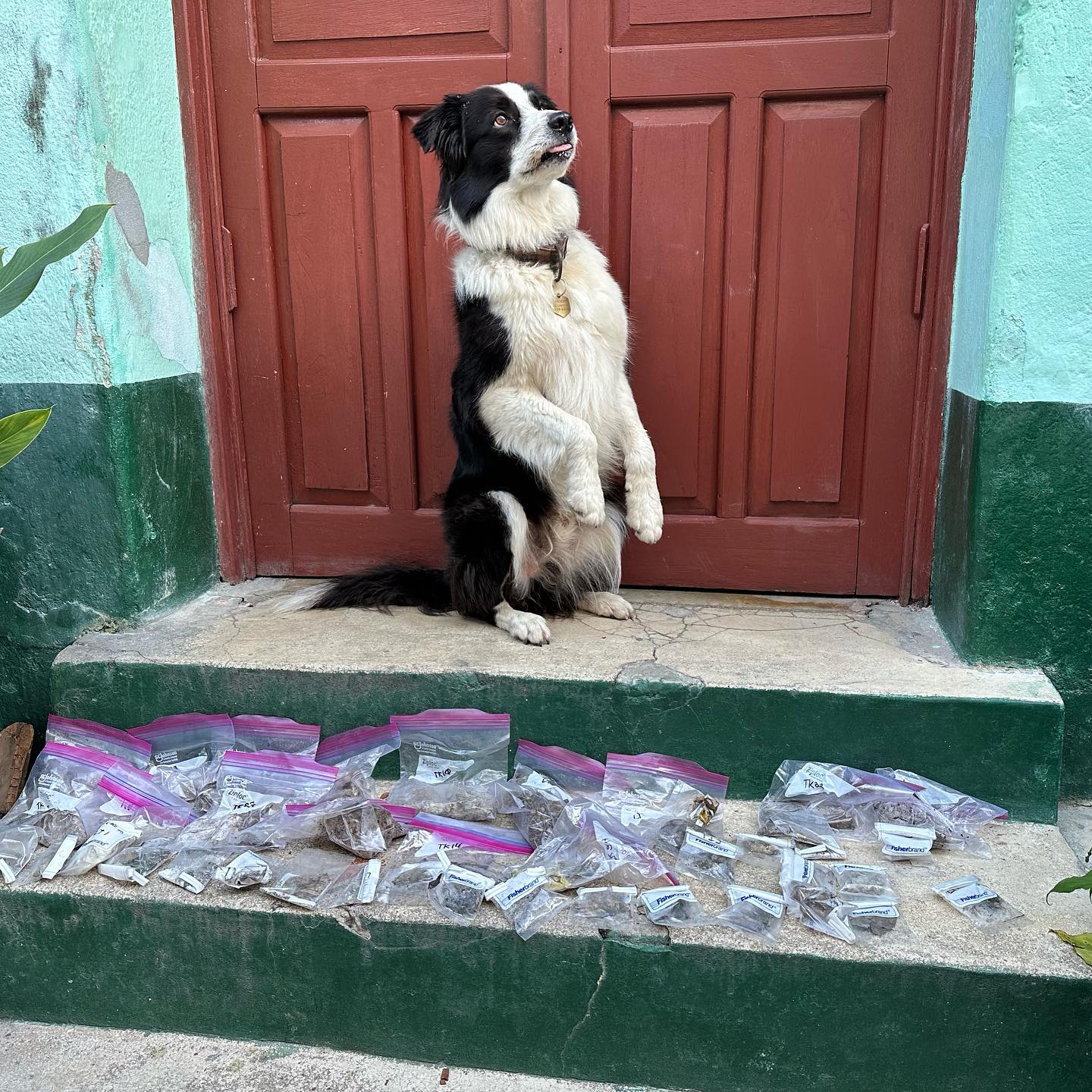
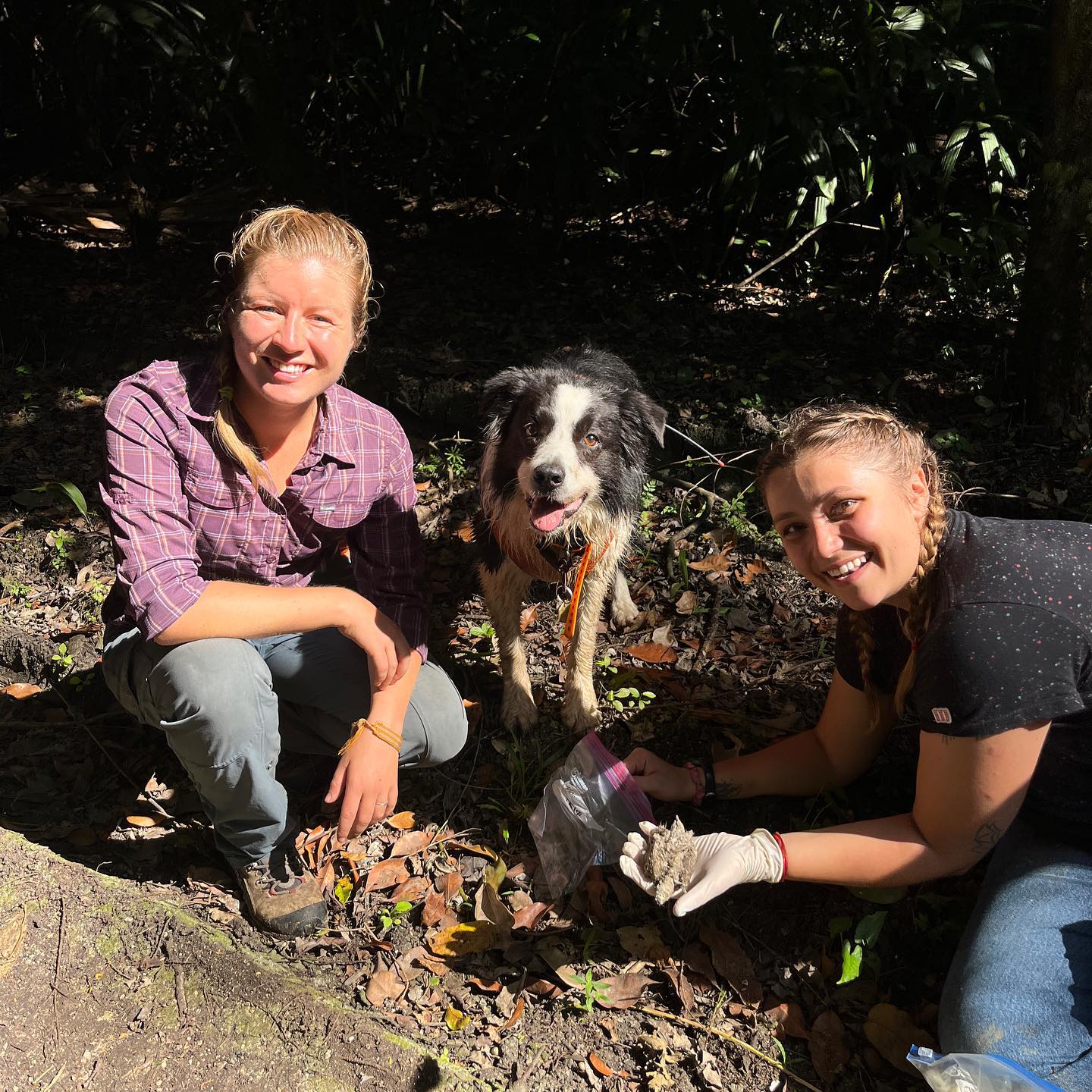
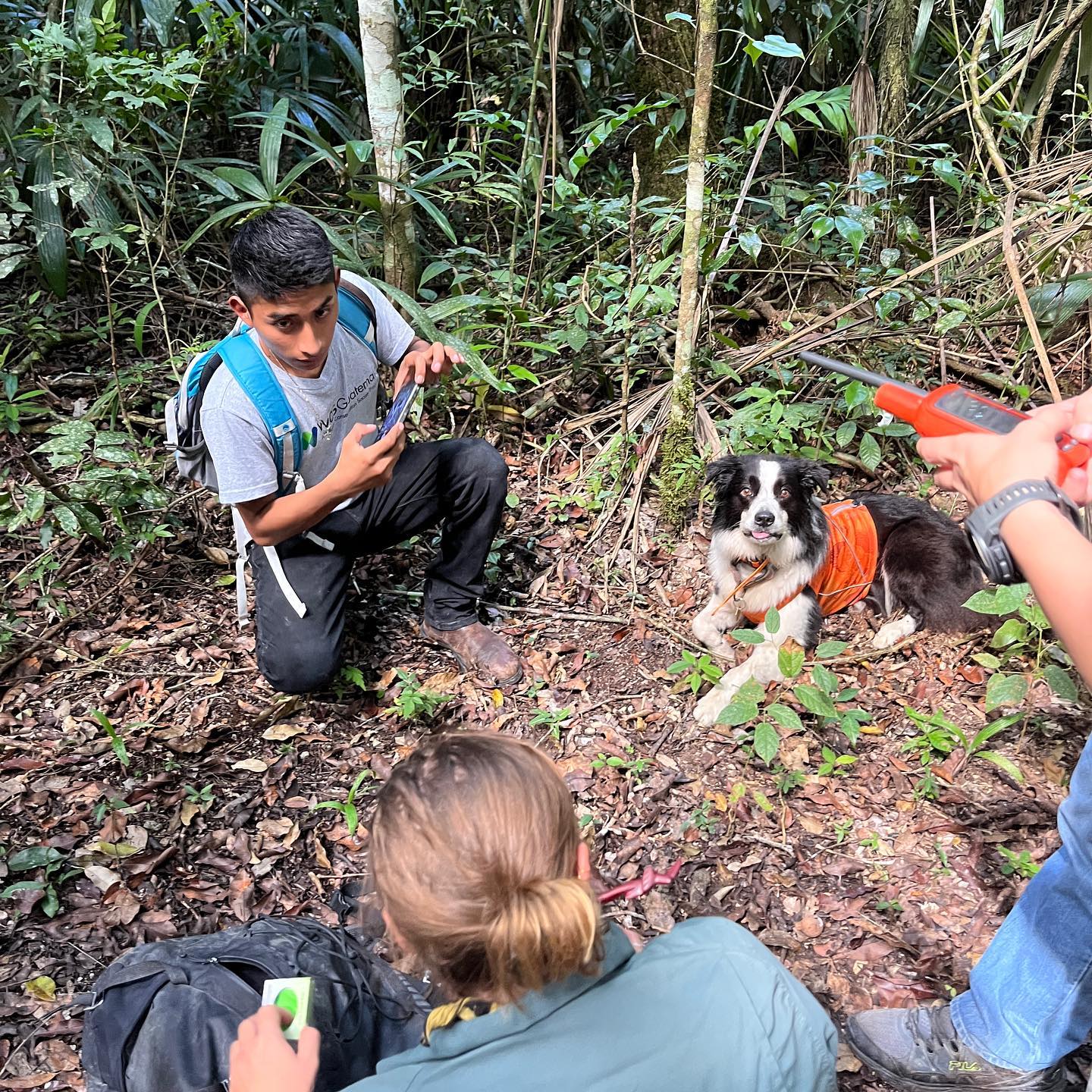
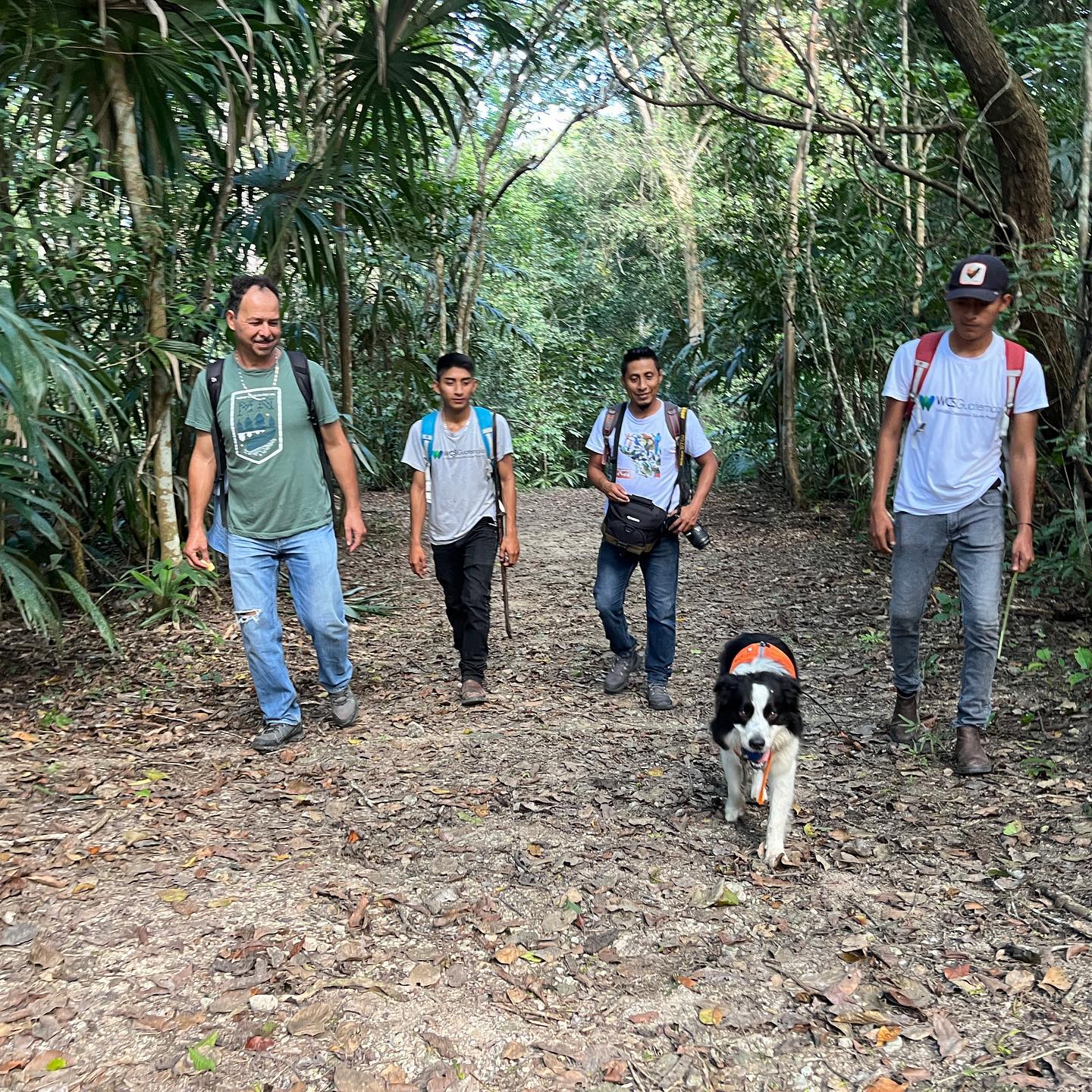
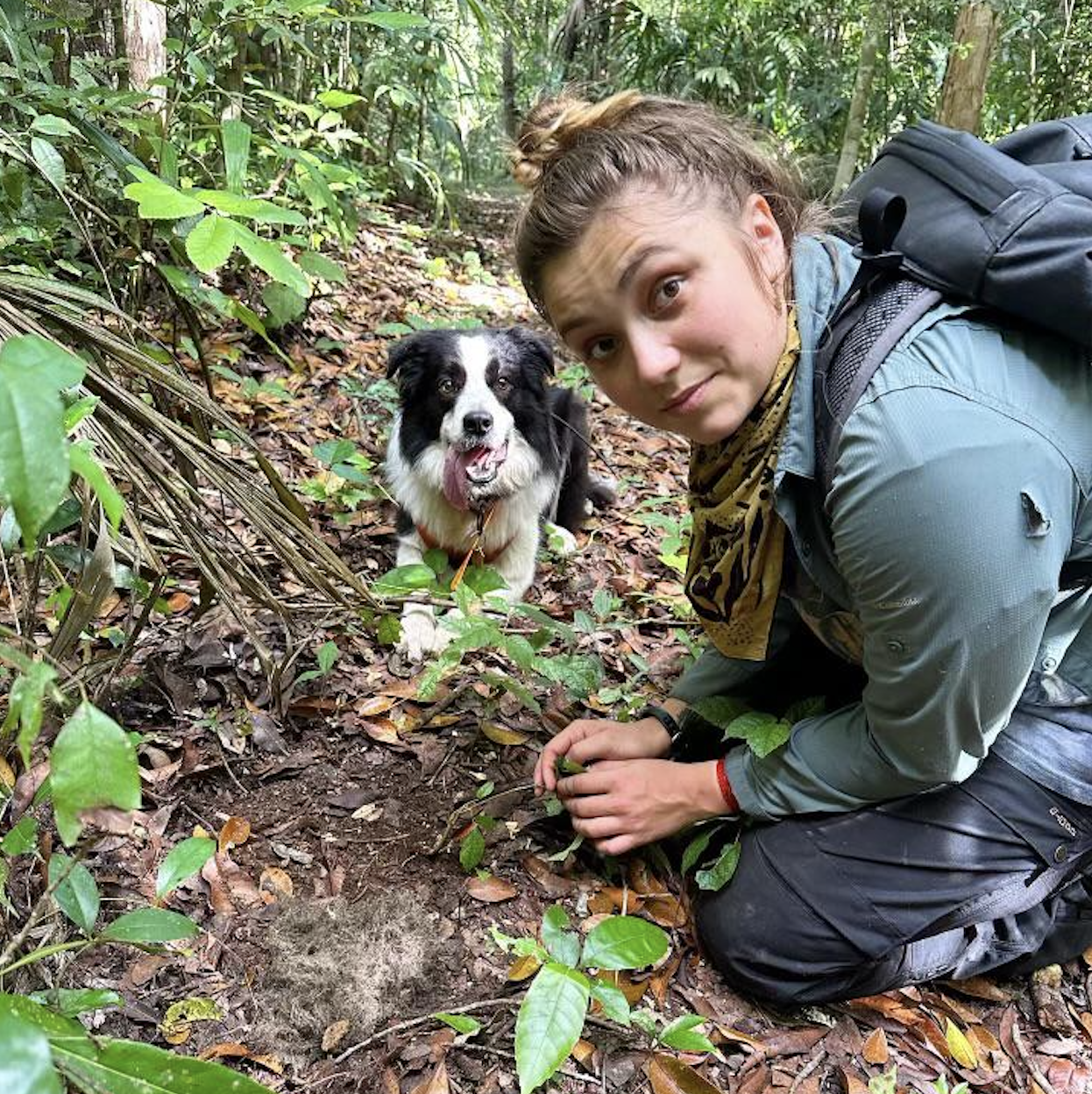
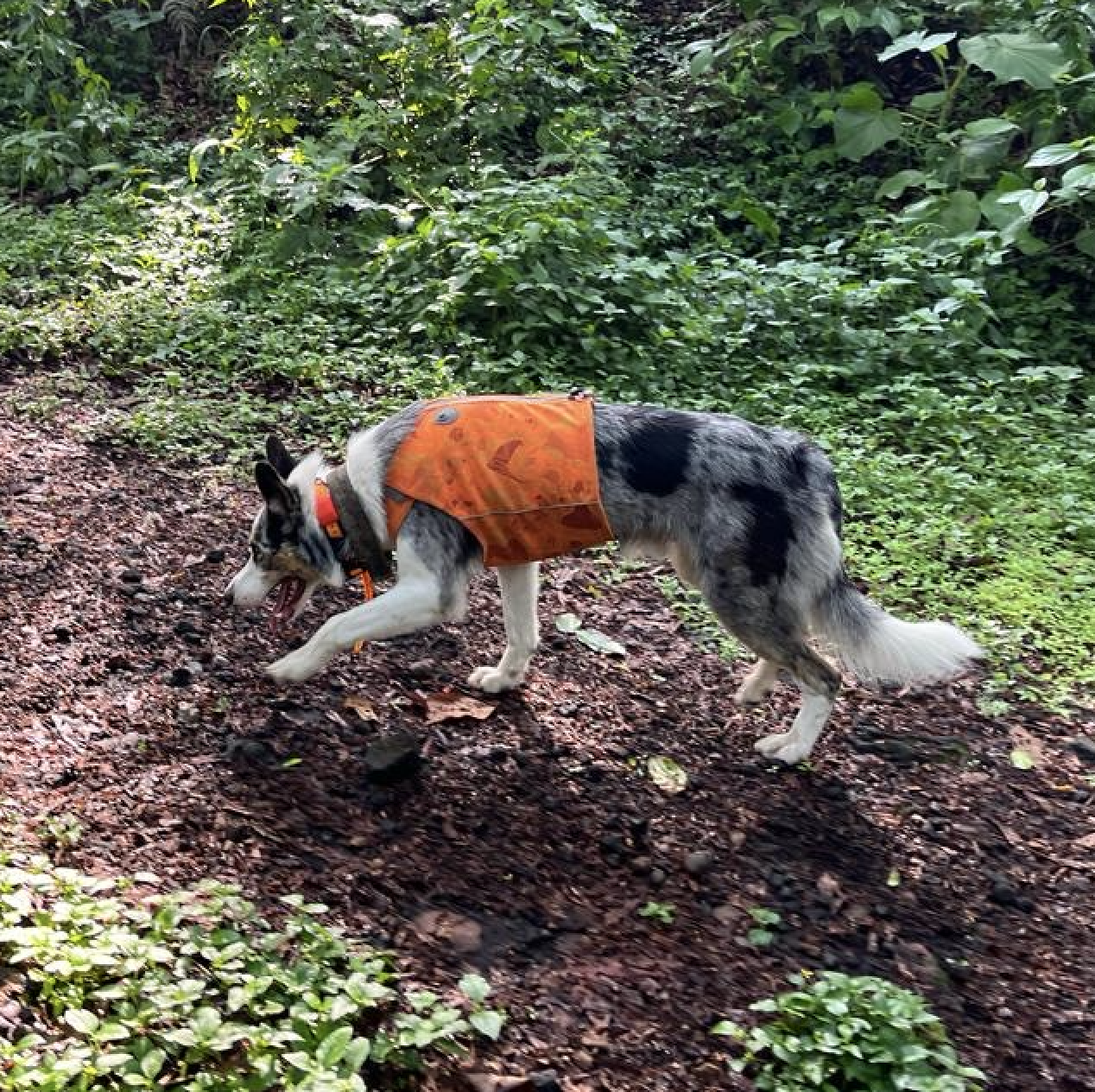
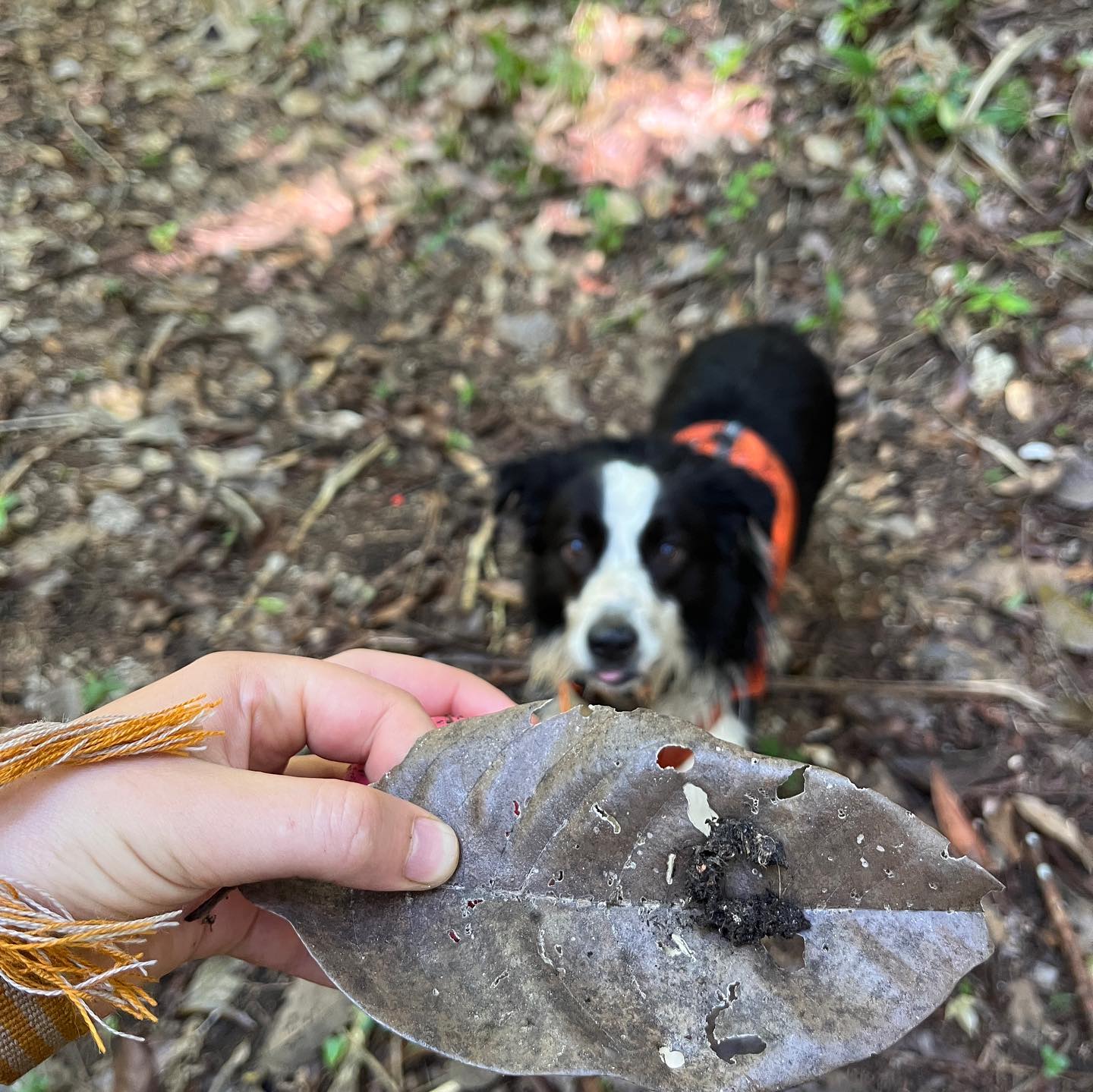
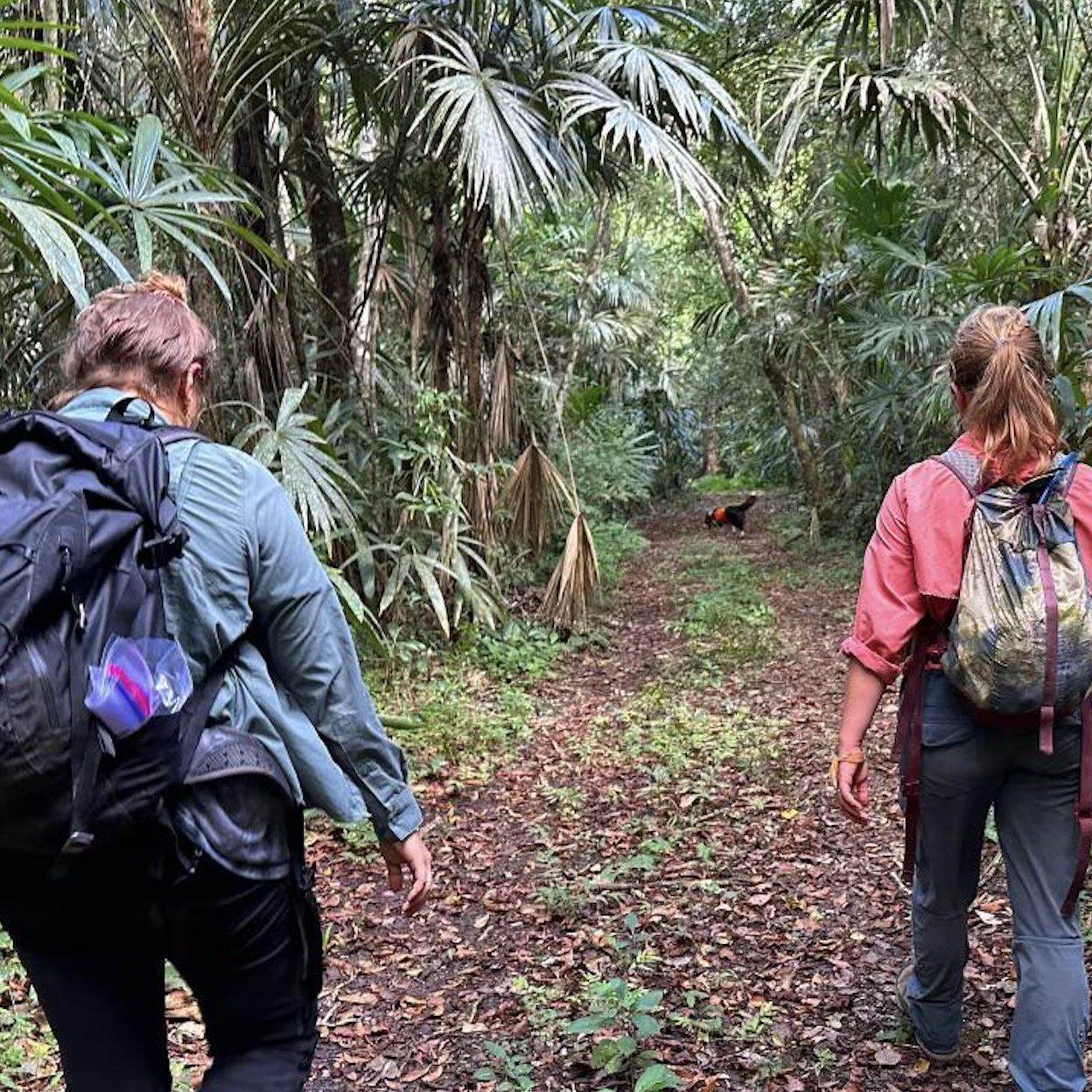
Partnered with researchers in the Petén Region of Guatemala, we supported multi-species carnivore monitoring by assisting in the detection and collection of scat of jaguar, puma, ocelot, margay, jaguarundi, gray fox, and tayra. These elusive carnivores play critical roles in structuring tropical forest communities, but cryptic behavior and dense vegetation make traditional survey methods challenging.
Recent research suggests that differences in hunting strategies and vertical space use — such as felids that hunt both on the ground and in trees — influence how these predators coexist in the same landscape. By locating high-quality scat samples across habitats, detection dogs provide essential genetic and dietary information that helps scientists understand species presence, individual identity, diet composition, and trophic interactions within this complex ecosystem.
Scat analysis supports food web studies by revealing prey preferences and niche partitioning among sympatric carnivores, which can inform conservation strategies to maintain ecological balance and reduce human-wildlife conflict. By enhancing collection efficiency in rugged and species-rich terrain, this project contributes valuable data to long-term efforts to study and conserve Neotropical carnivore communities.
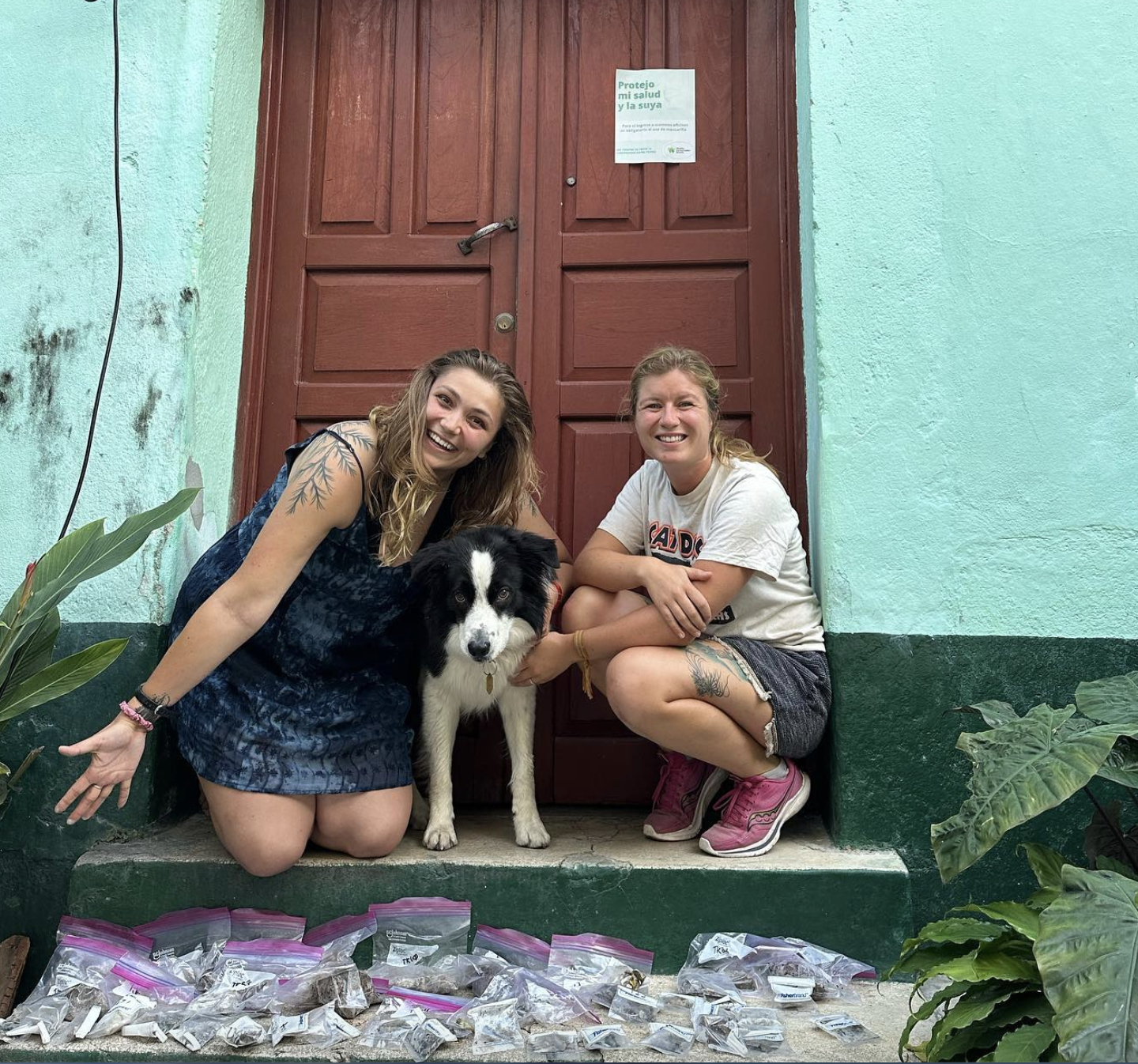
Our dogs found 13x as many scats as human-only teams!

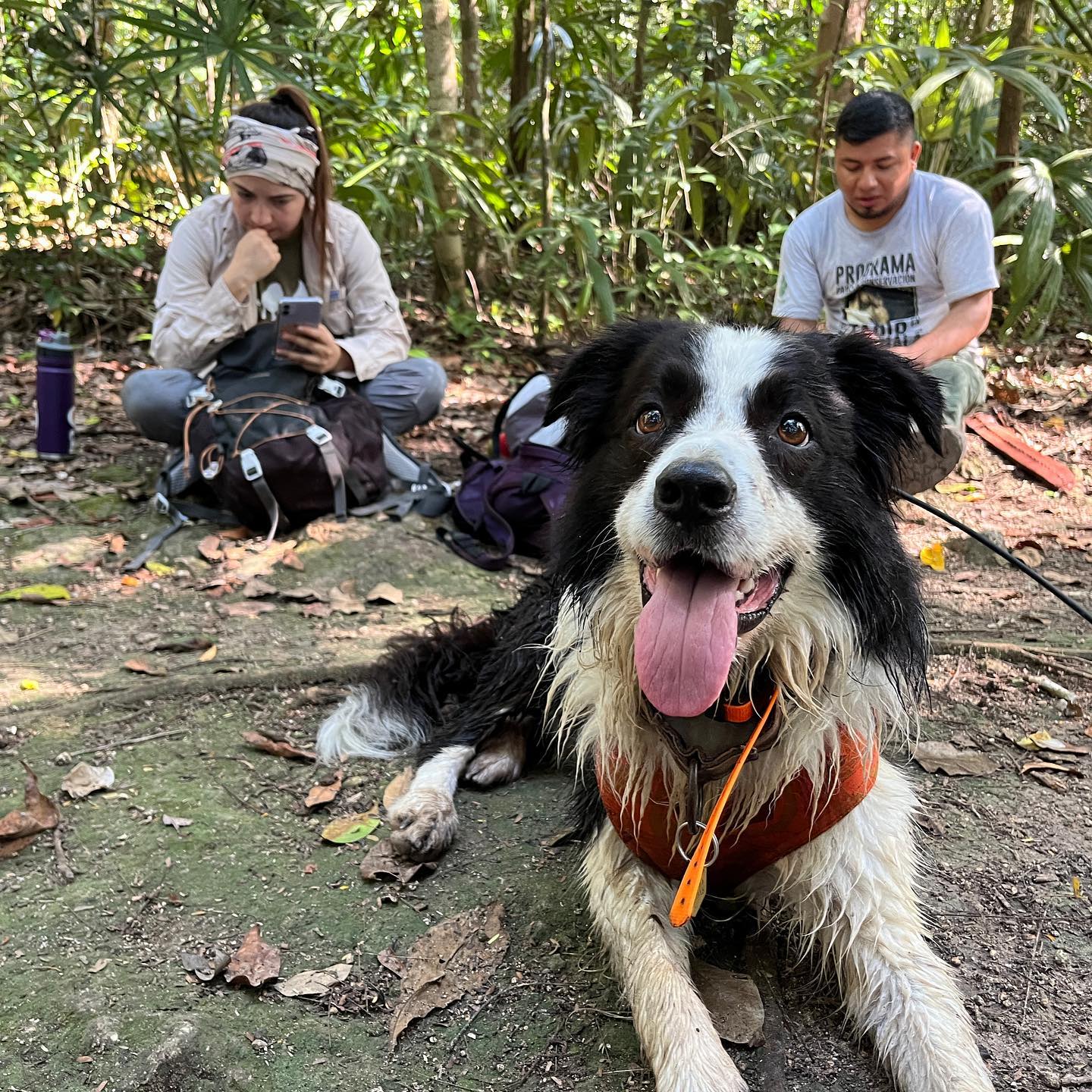
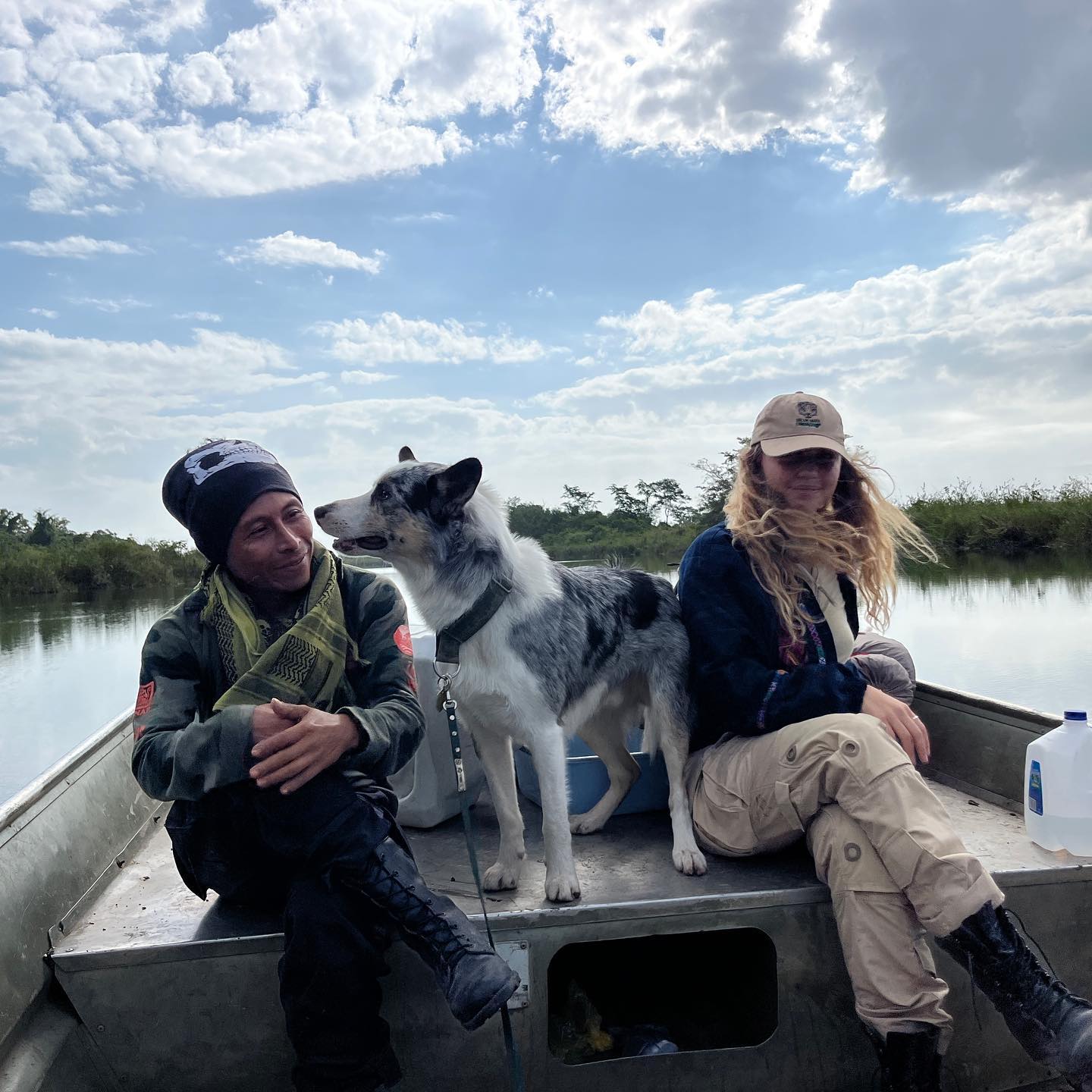
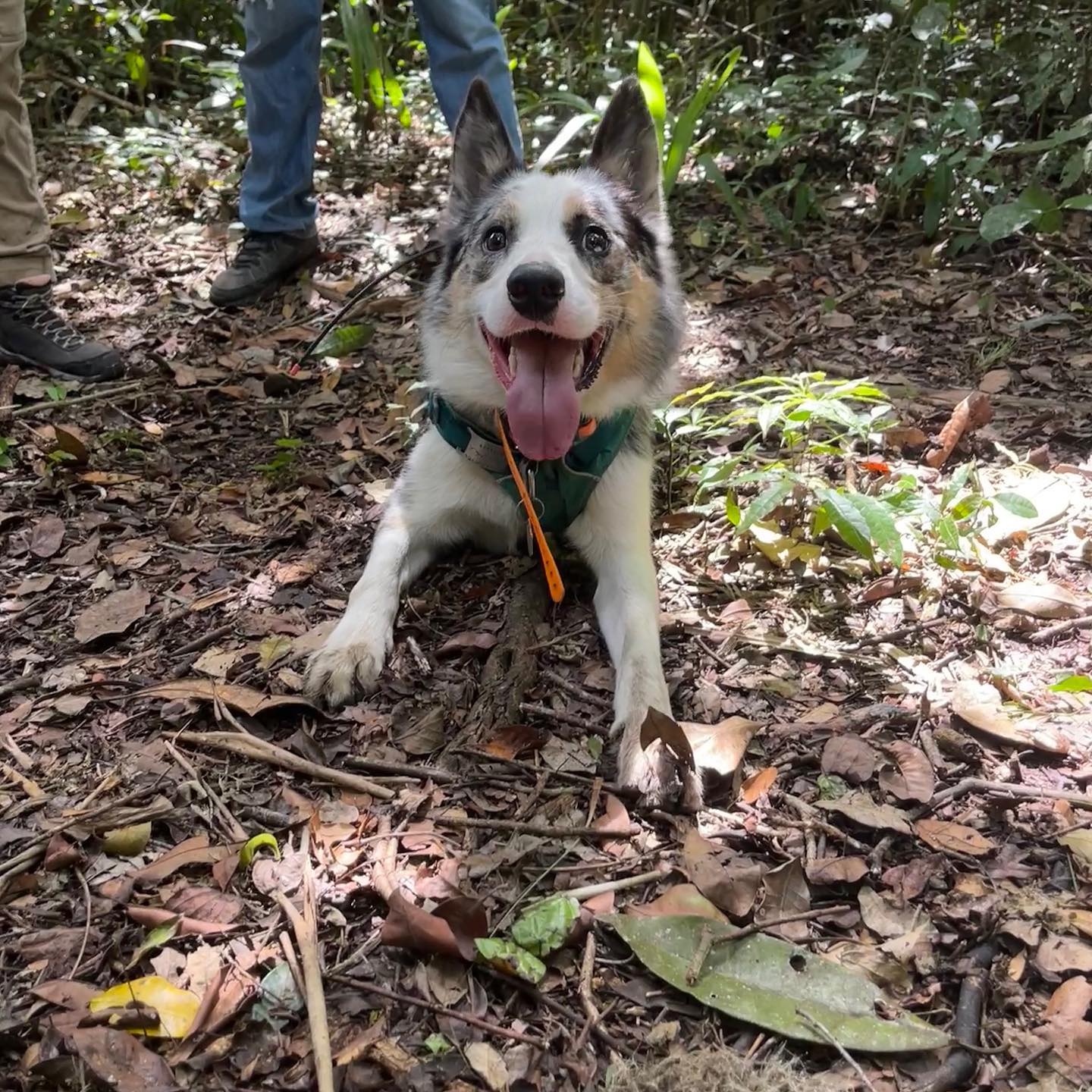
— Ellen Dymit,"Working with Kayla, Barley, and Niffler to find scats for my Wildlife Ph.D. project in the Maya Biosphere Reserve of Guatemala truly brought my research to the next level. Enlisting the help of expert dog noses to find cryptic carnivore scats in the hot, humid, and dense understory of my rainforest study system was invaluable. Barley and Kayla were able to find the same number of carnivore scats in just one week that a multi-human search team would take two months to encounter. In addition, the dogs were able to detect the smaller scats of more elusive neotropical carnivores - such as tayra, ocelot, and margay - that human eyes would easily overlook, which allowed me to expand my study and include data from more rare and exciting species."
PhD student at Oregon State University