
Our Work
Our detection dog teams provide non-invasive, field-based surveys that help researchers, land managers, and NGOs collect high-quality ecological data.
What We Do
Wildlife and Environmental Surveys
At K9 Conservationists, our dogs locate the signs and samples that researchers need most. Whether it’s scat for genetic analysis, carcasses for impact assessments, live animals for population studies, or plants and invertebrates for biodiversity surveys, our dogs make field research more efficient, accurate, and non-invasive.
Scat Detection
Scat detection provides a window into the secret lives of wildlife. Without ever needing to capture or disturb an animal, researchers can learn about species presence, diet, stress, reproduction, disease, and habitat use through the samples dogs help collect.
How Dogs Contribute
Detection dogs excel at locating elusive, rare, or widely dispersed species, including scat and other biological samples. Their keen sense of smell allows them to detect cryptic species and scents hidden in deep vegetation, covering large areas and rough terrain with remarkable efficiency. This capability enables the collection of data from all individuals within a population, including juveniles and subordinates, leading to more accurate population and distribution estimates.

From genetic analysis to dietary studies and ecological health assessments, scat detection with dogs offers an invaluable tool for understanding carnivore populations and their role in ecosystems.
Explore Our Scat Projects
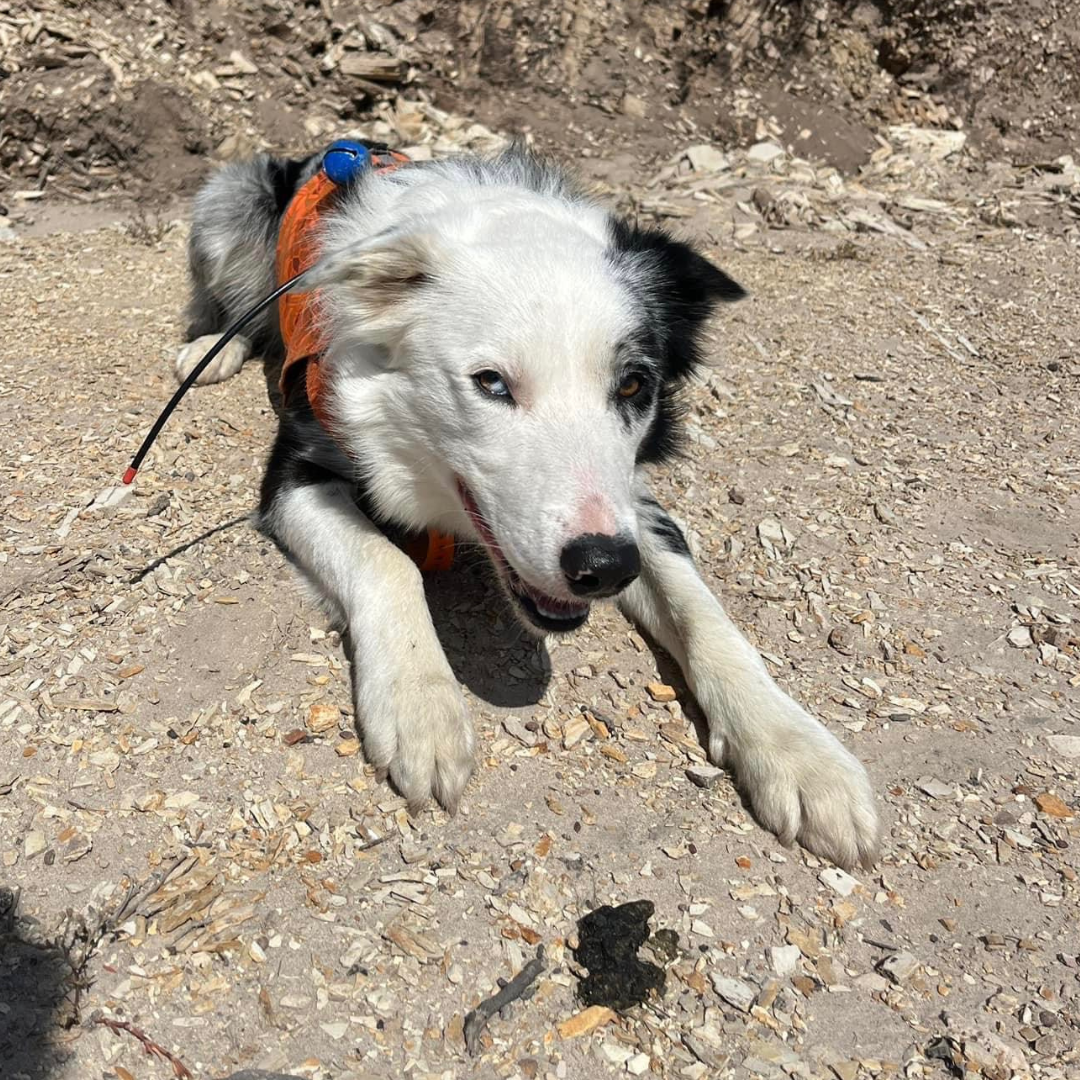
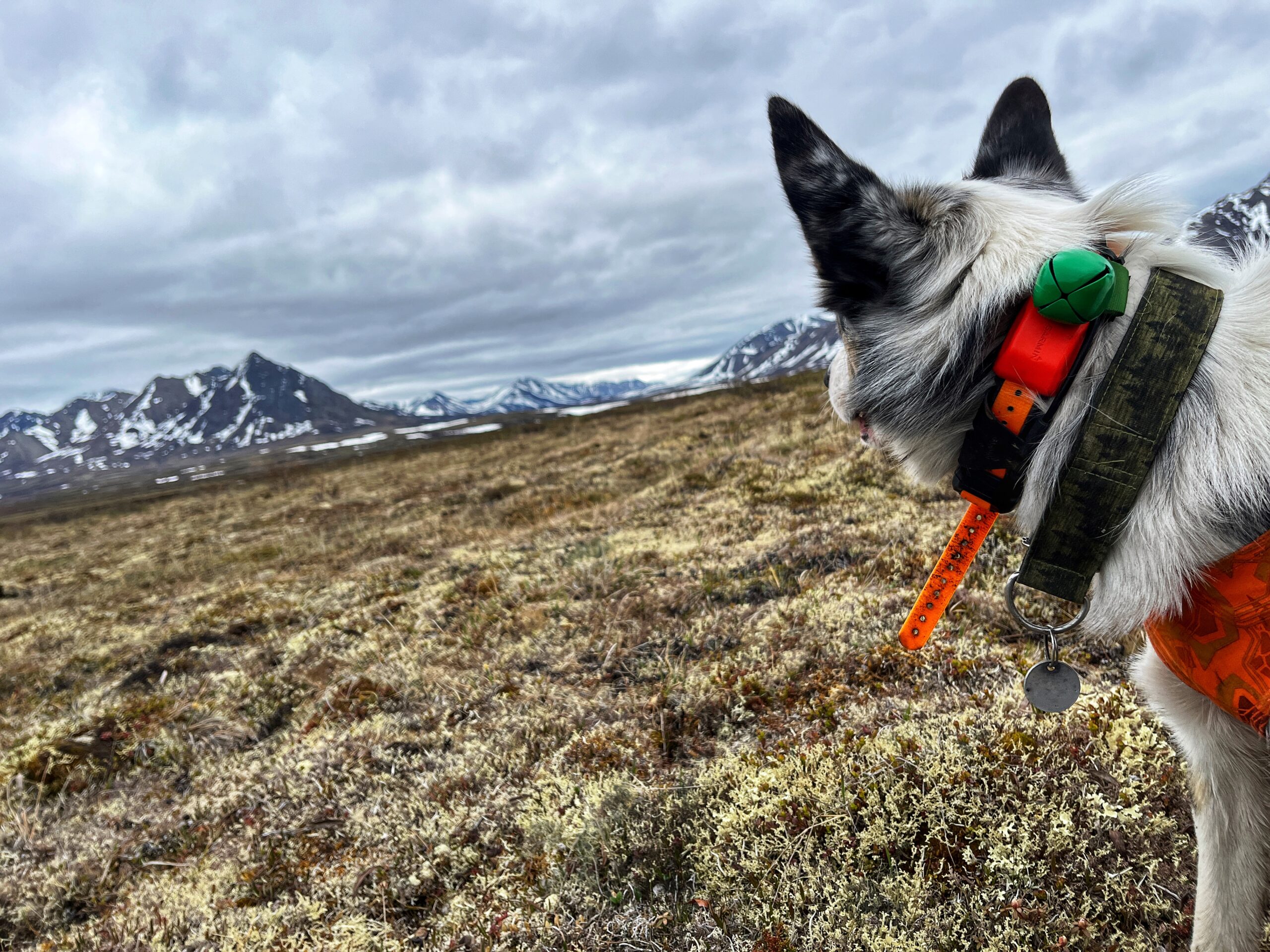
Coastal Carnivores
Using dogs to identify the presence and diet of mountain lions, bobcats, bears, and coyotes along California’s coastal zones through scat detection and analysis.

Texan Ocelot
Partnering with researchers in South Texas to support ocelot density estimates on a wildlife refuge and private ranch through scat detection, complementing camera traps, GPS collars, and other survey methods.

Alaskan Wolves
Deploying dogs to locate wolf scat on outlier islands in Alaska to estimate occupancy, study prey use, and assess connectivity between island populations.
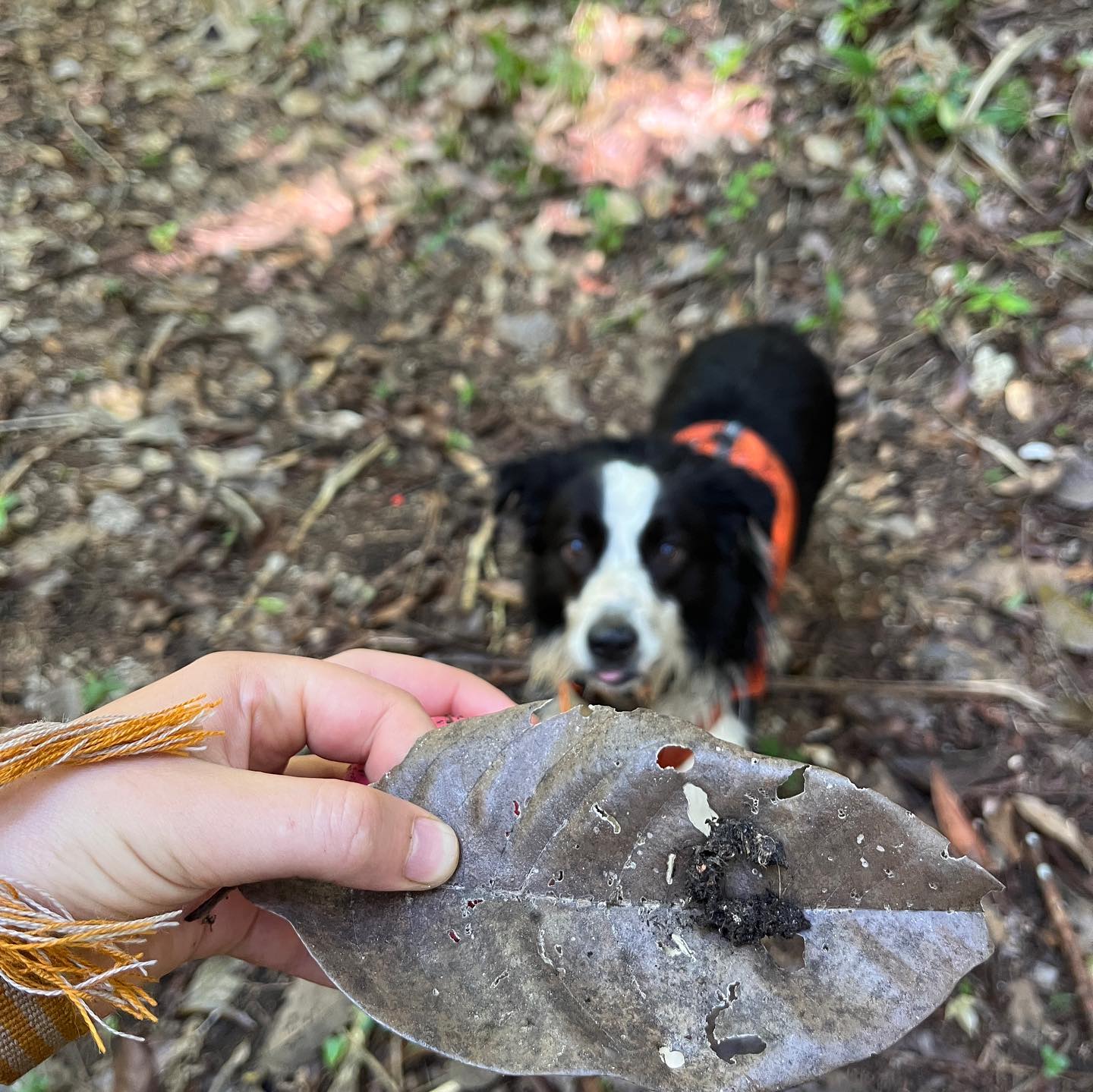
Mesoamerican Carnivores
Using dogs for the detection and collection of scat from species such as jaguar, puma, ocelot, margay, and tayra to facilitate food web analysis in Guatemala’s Petén region.
Post-Construction Monitoring
Renewable energy is essential for a sustainable future, but features like turbines can affect wildlife. Post-construction monitoring helps energy companies, researchers, and regulators understand and mitigate these impacts.
How Dogs Assist
Our dogs are trained to locate bird and bat carcasses around wind energy facilities, even in dense vegetation or rugged terrain. Their ability to detect small, scavenged, or hidden remains allows for a more accurate understanding of wildlife fatalities. By covering survey areas more efficiently than human searchers, dogs help ensure impact assessments reflect the true scope of wildlife interactions with renewable energy development.
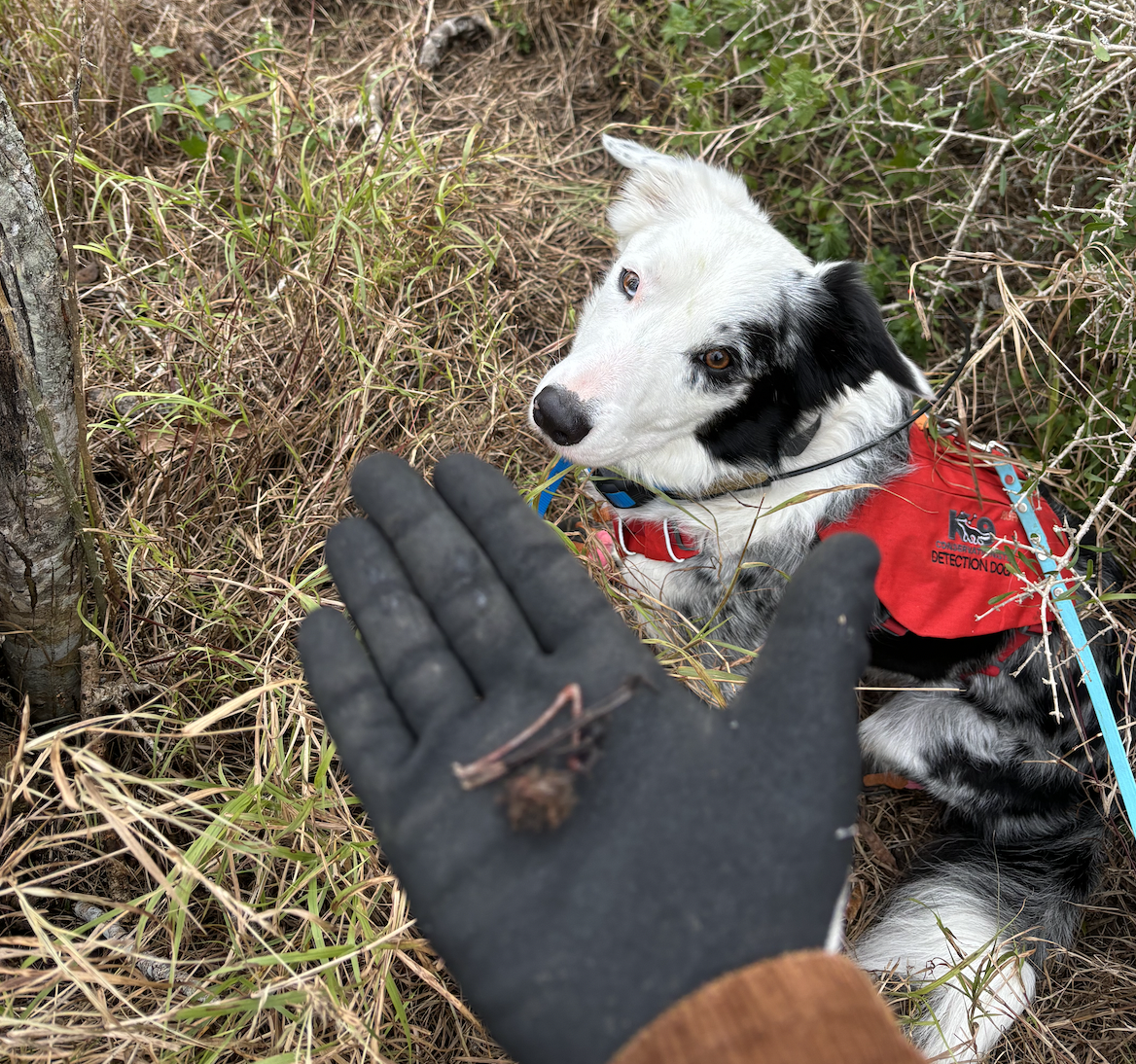
Our wind farm detection dog teams can:
Detect bird and bat carcasses at varying stages of decay
Alert to targets without touching them, preserving DNA should species confirmation be necessary
Locate partial carcasses under thick vegetation including buried carcasses
Ignore other carcasses such as mice
Work safety and responsibly around livestock and wildlife, including ground-nesting birds, and rattlesnakes
Cover areas more quickly and efficiently than human-only searchers
Locate carcasses up to 100m upwind of a search transect (under ideal conditions)
Collaborate with your team on study design and survey strategy to meet coverage goals and model assumptions
Assist with report-writing, white papers, and/or scientific publication of finding
Our wind farm detection dogs can work on- or off-leash. Dog teams generally use two dogs per day to allow one dog to rest while the other searches each turbine. Our search dog teams have worked on green energy projects in Wyoming, Nebraska, Illinois, Ohio, and Indiana.
Explore Our Post-Construction Projects

Painted Blades Study
Supporting research on whether painting wind turbine blades reduces fatalities for eagles, other diurnal birds, and bats by enhancing visibility and encouraging turbine avoidance.
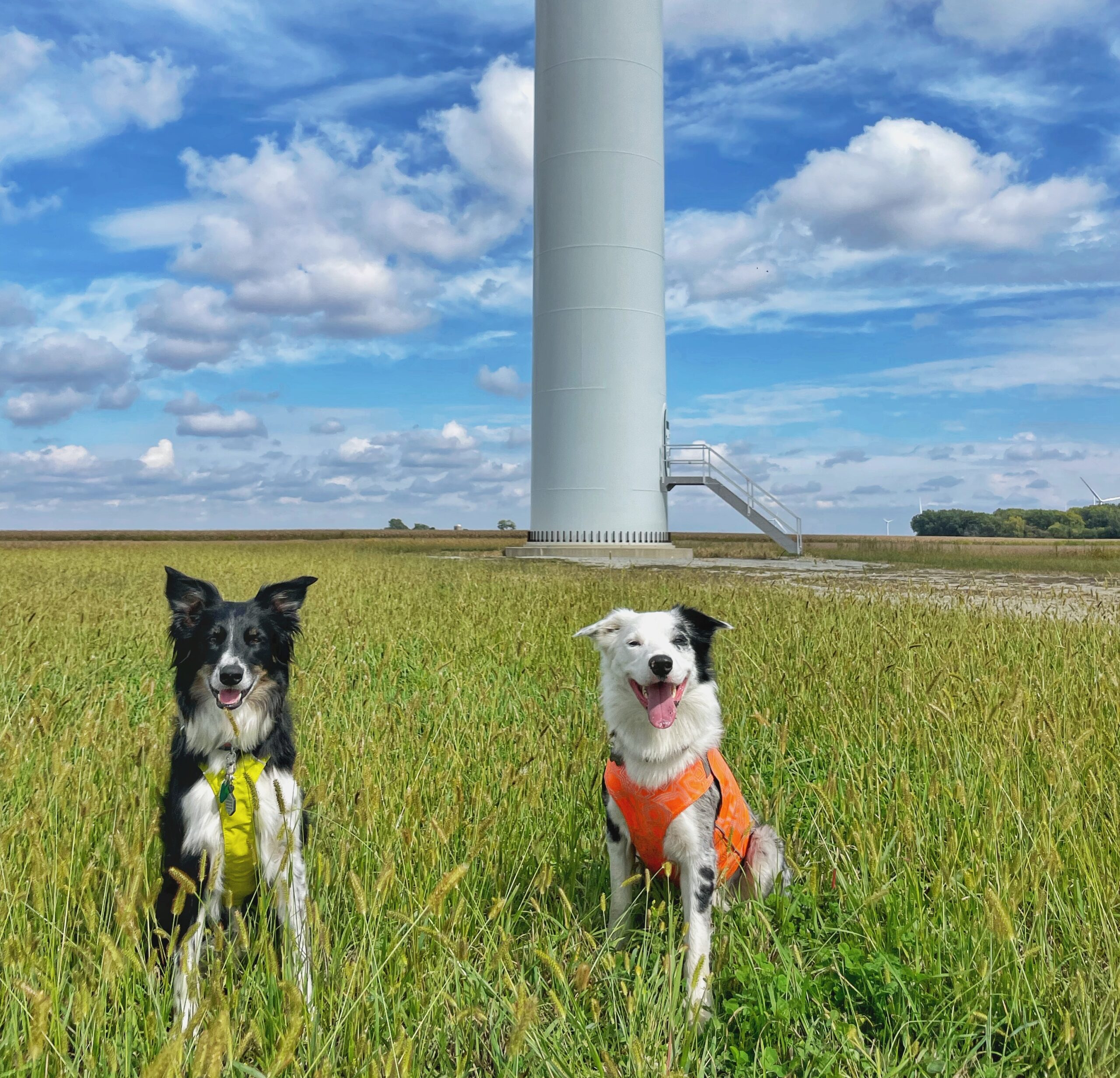
Wind Energy
Assisting with post-construction surveys at wind facilities by using detection dogs to locate bird and bat fatalities, and providing accurate data for wildlife impact assessments.
Additional Applications
Conservation detection dogs are versatile partners that extend far beyond scat surveys and post-construction monitoring.
How Dogs Contribute
Their extraordinary sense of smell allows them to locate targets that are difficult for humans to detect, including invasive species, wildlife biological samples, and signs of rare or elusive animals. Dogs help researchers gather more accurate data while reducing search effort and disturbance to habitats. Beyond fieldwork, they also play a critical role in training, mentorship, and methodological development, supporting the growth of ethical and effective conservation detection dog programs worldwide.
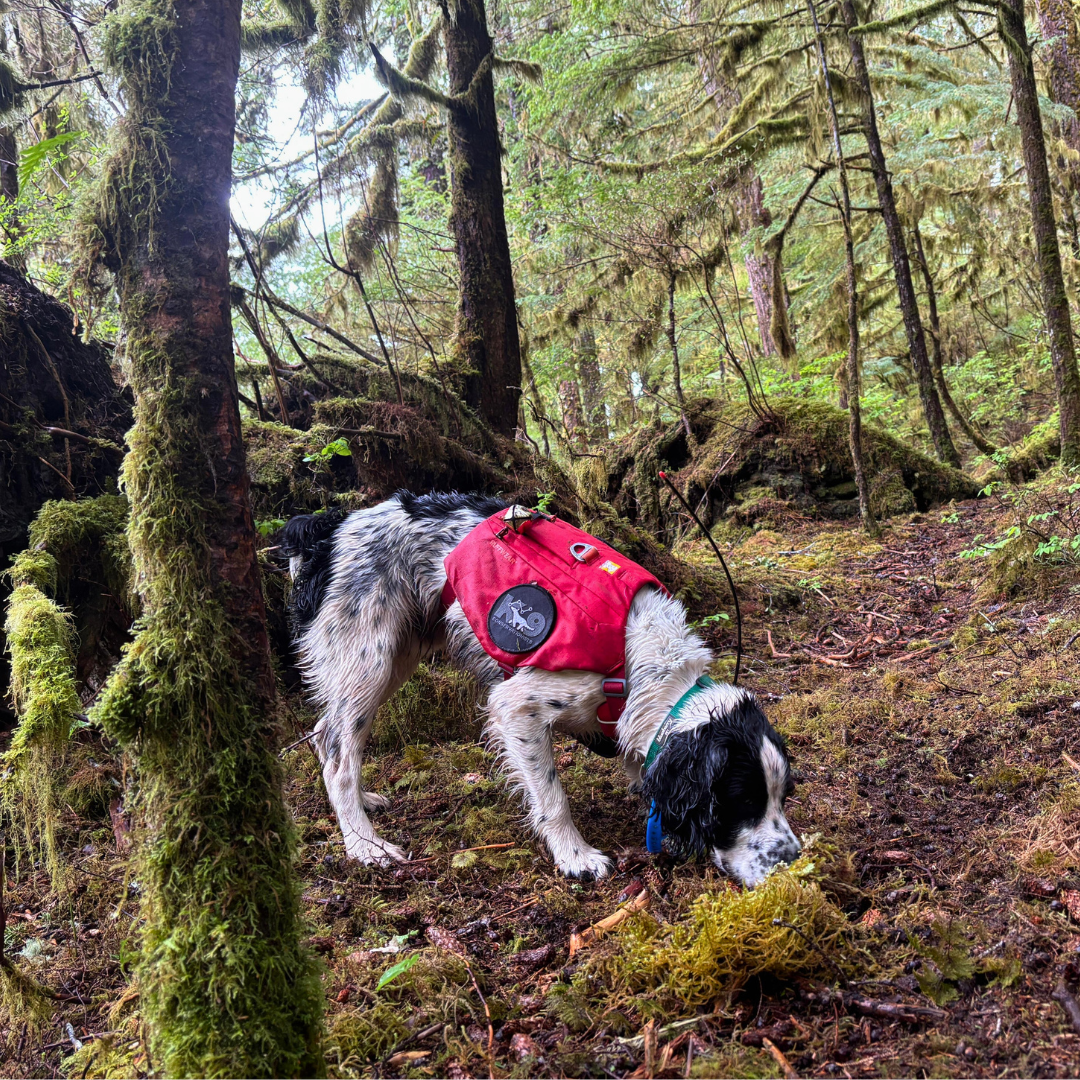
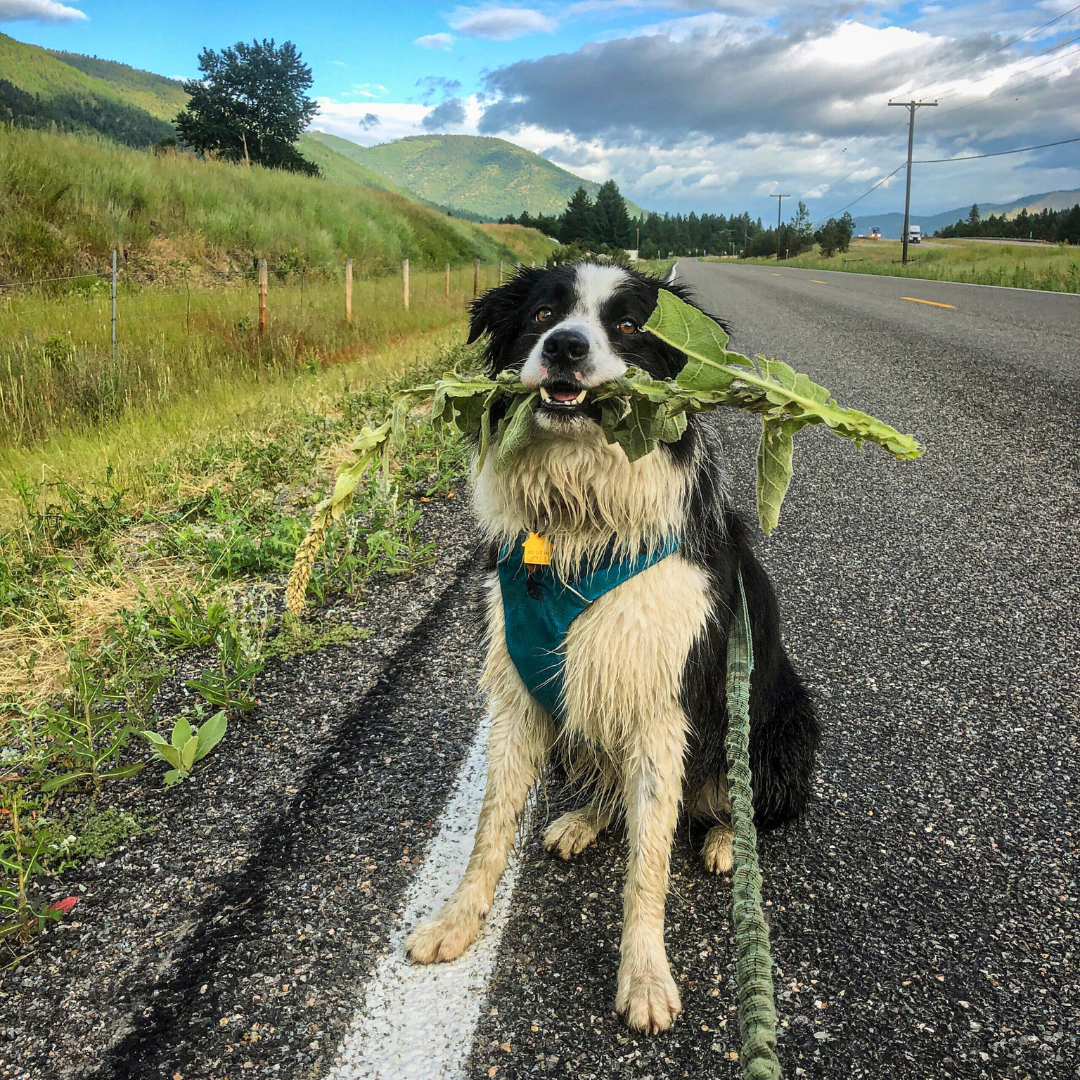
Invasive Species Detection
Invasive species pose significant threats to native biodiversity, ecosystem function, and economic resources. Early detection and rapid response are critical to preventing establishment and spread, particularly in aquatic systems and remote landscapes where invasions often go unnoticed.
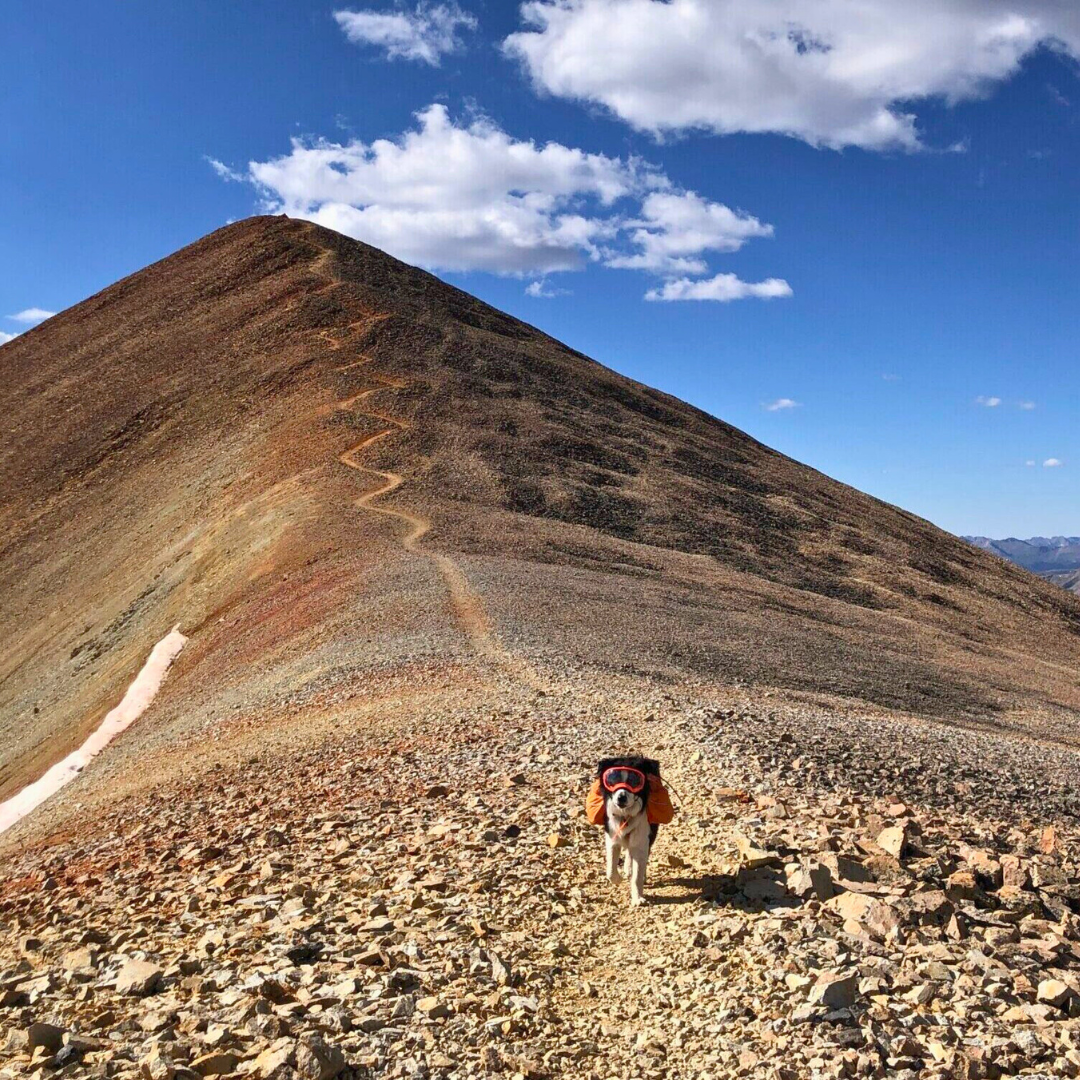
Endangered Species Monitoring
Many species occur at low densities, are highly mobile, or live in rugged or densely vegetated habitats, making traditional survey methods challenging. Non-invasive approaches are often critical for monitoring these populations effectively.
Wildlife Health and Disease Monitoring
Understanding wildlife health and disease dynamics is essential for conservation, public health, and ecosystem management. Monitoring disease presence, mortality patterns, and health indicators helps identify emerging threats and inform response strategies.
Team Training and Capacity Development
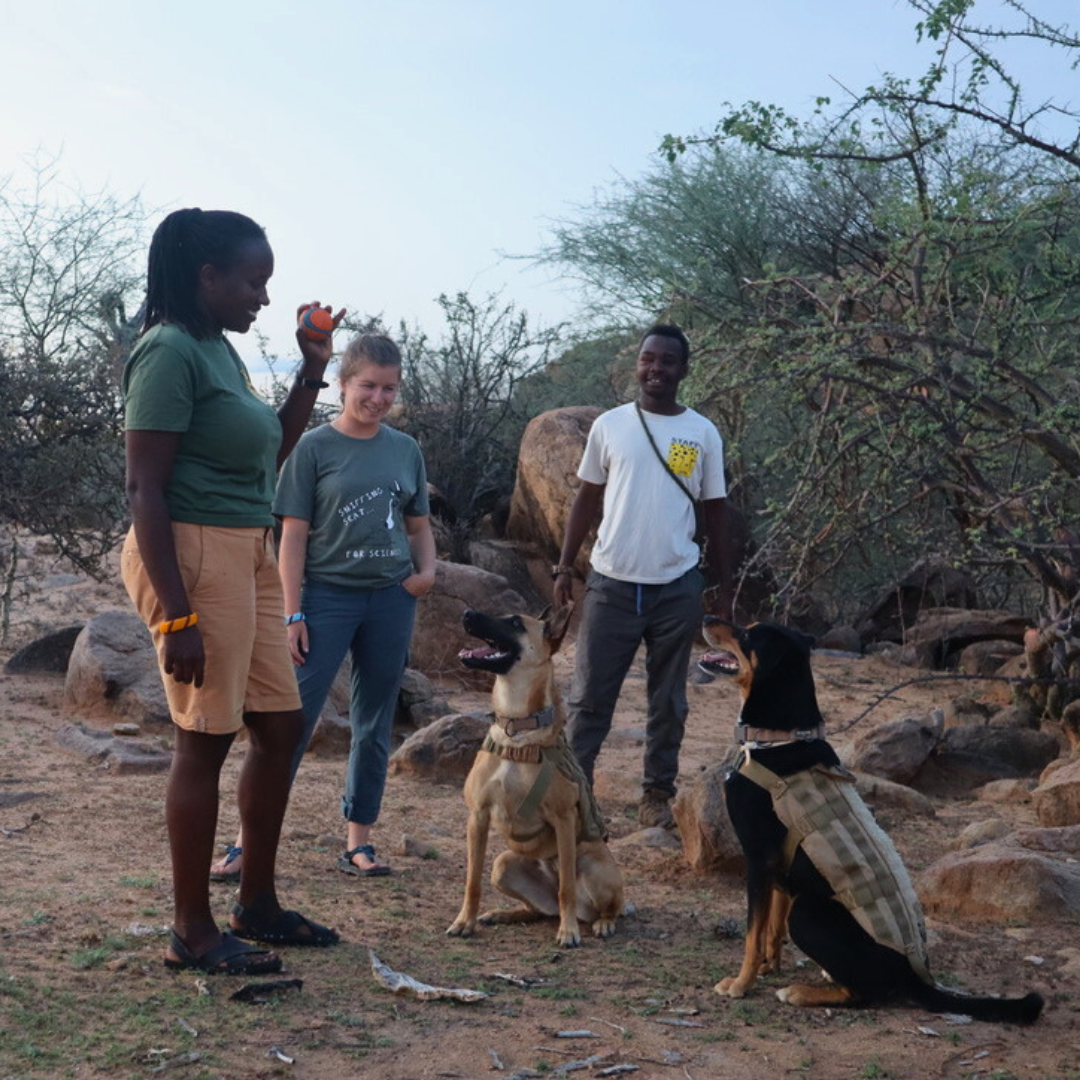
As conservation detection dog use expands, there is a growing need for strong training standards, ethical working-dog practices, and well-designed methodologies. Building capacity within organizations helps ensure dogs are used responsibly and effectively.










Let's Work Together
Our canine teams are ready to support your project goals with flexible, creative approaches designed to meet the needs and budgets of a wide range of studies. By locating hard-to-find data, they help drive both scientific research and conservation outcomes.