Texan Ocelot monitoring

Project Details
Fewer than 100 ocelots are believed to remain in the United States, making accurate population monitoring essential.
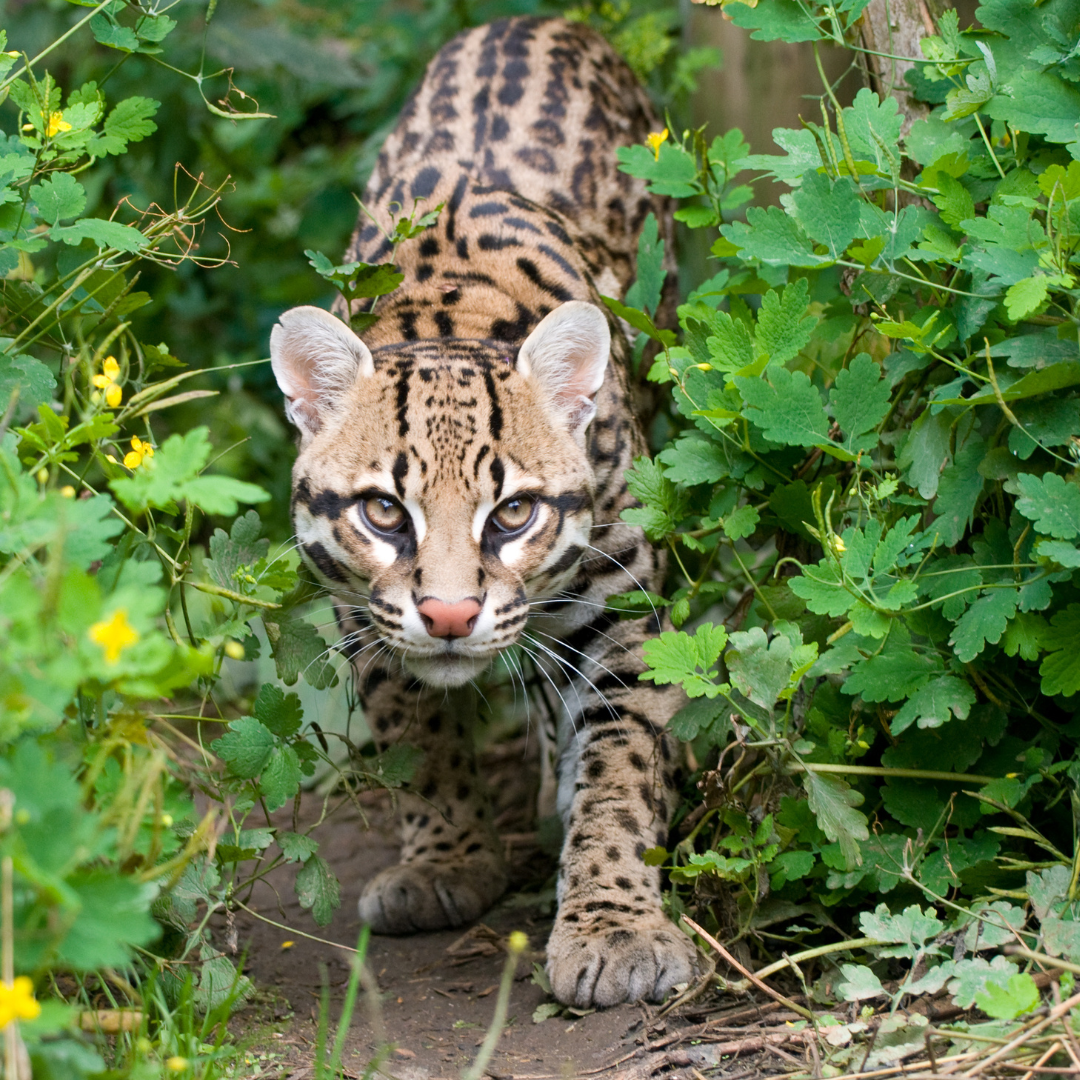
Ocelot
Leopardus pardalis
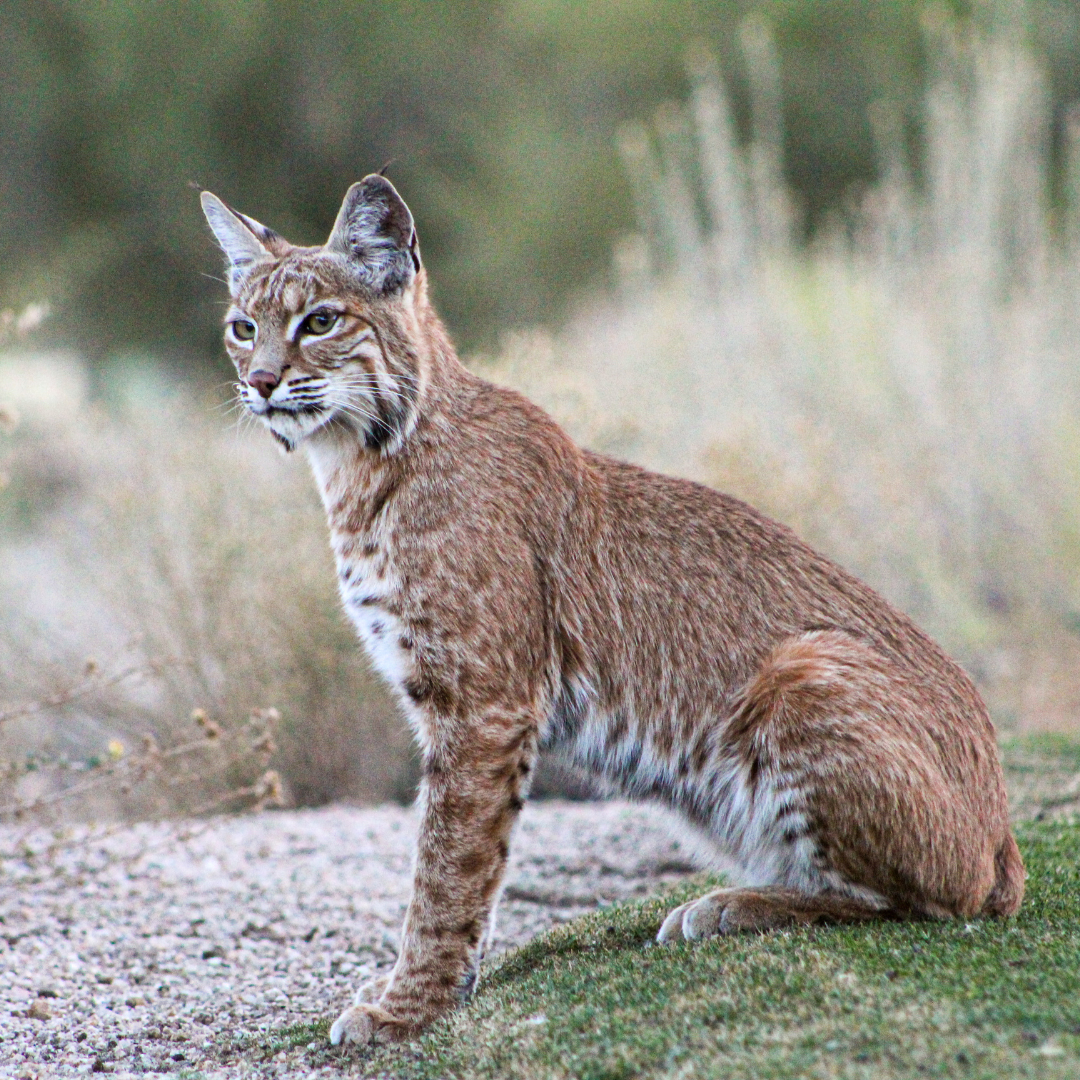
Bobcat
Lynx rufus
Project Overview
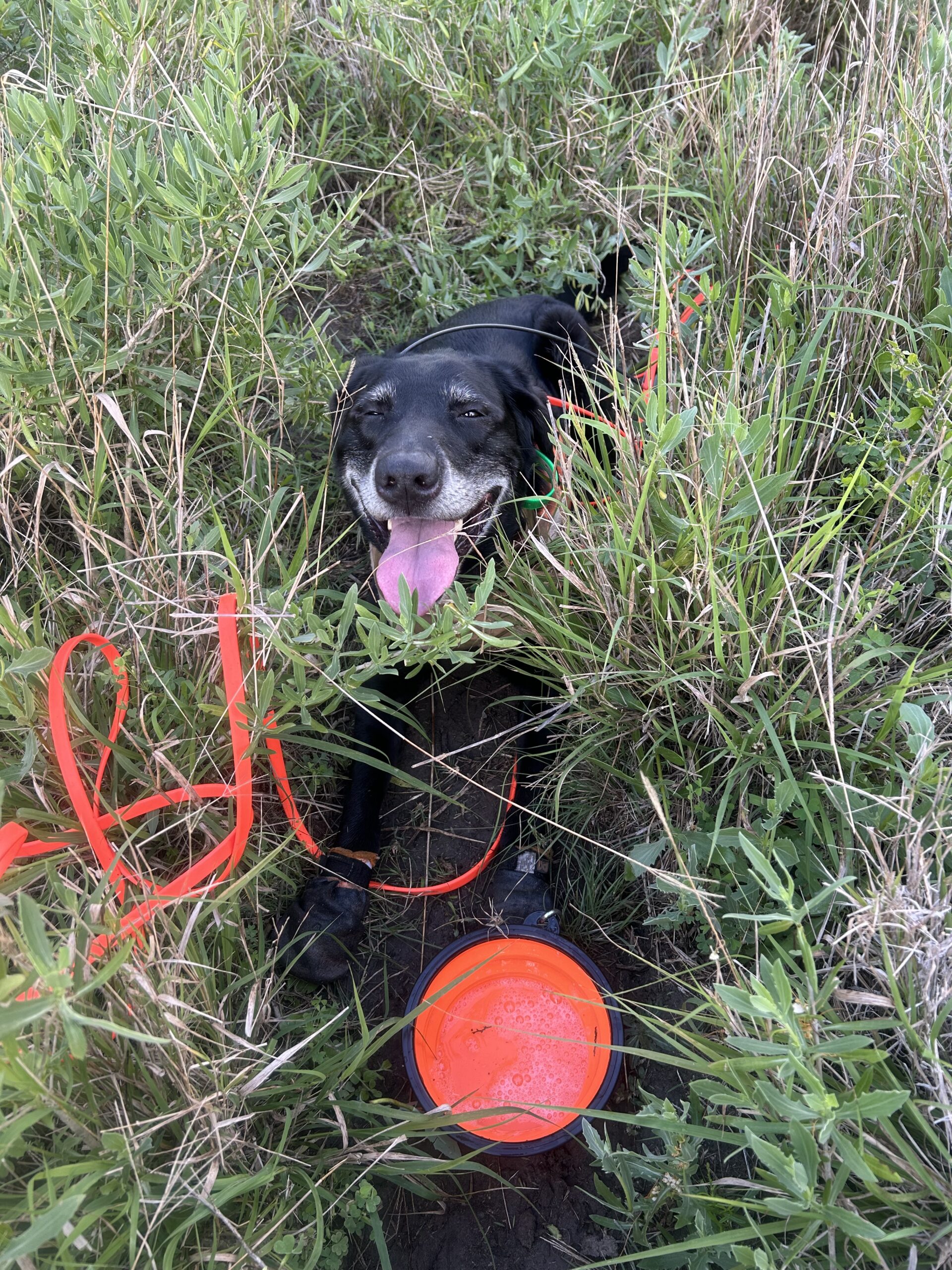
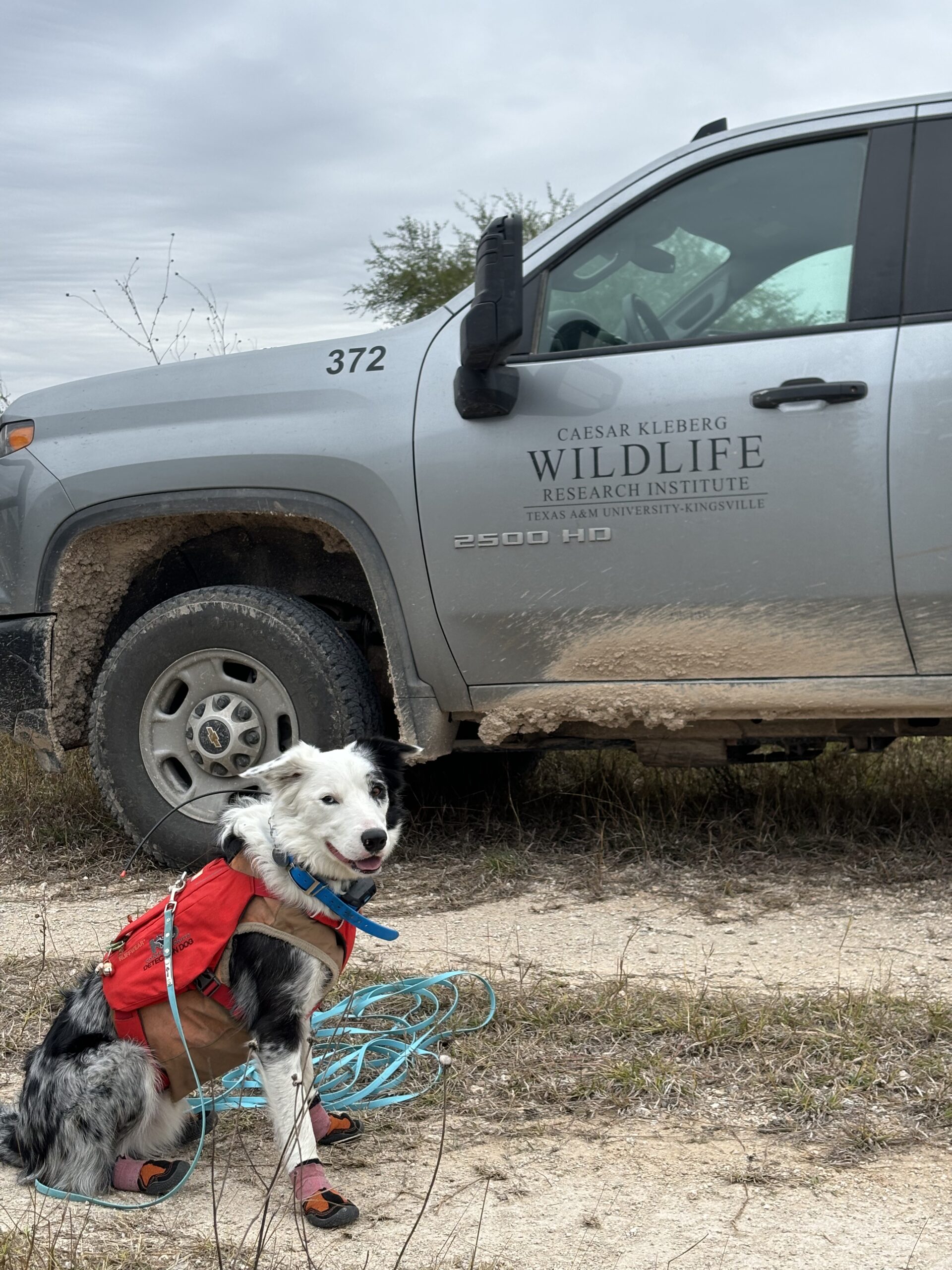
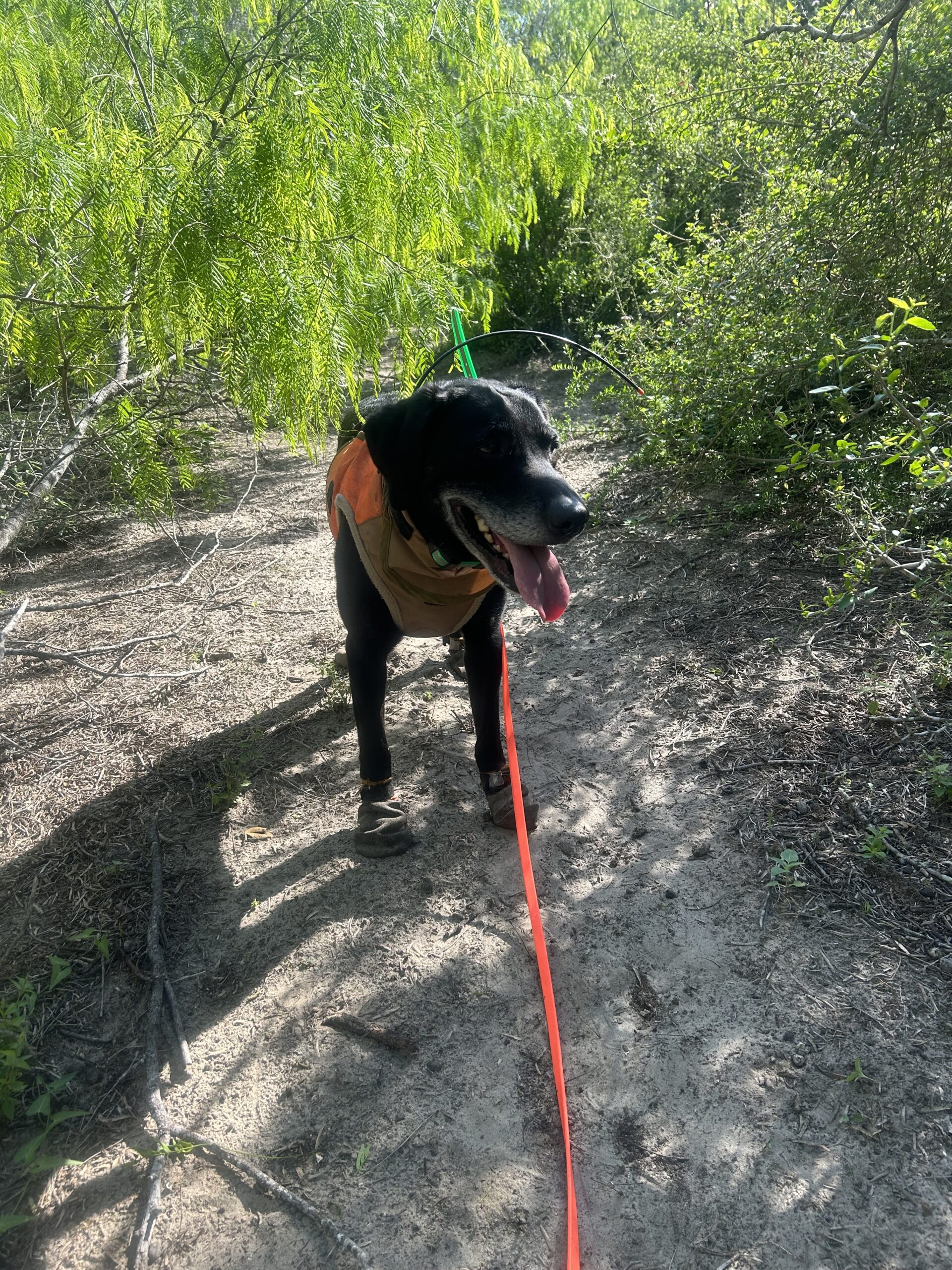
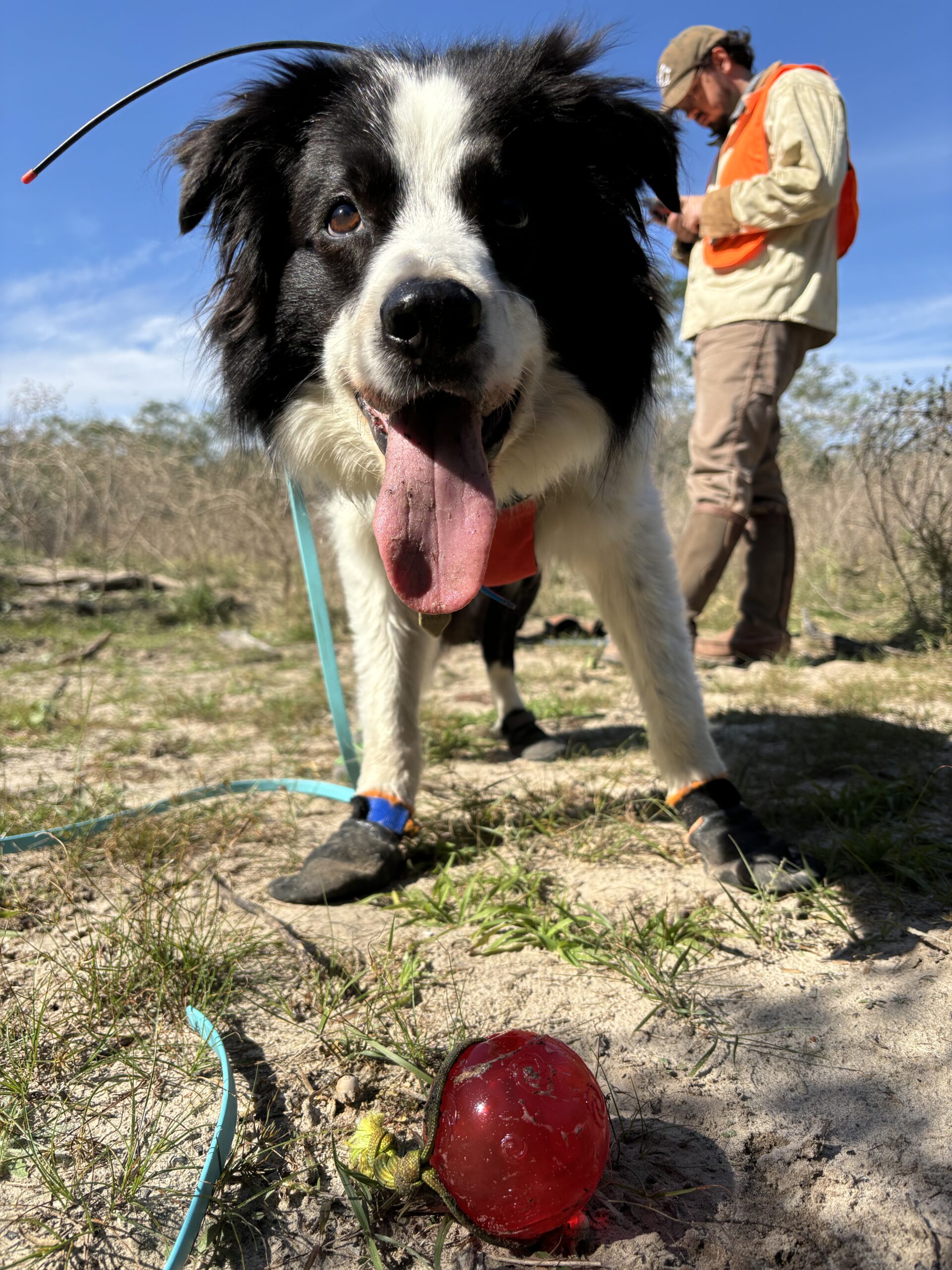
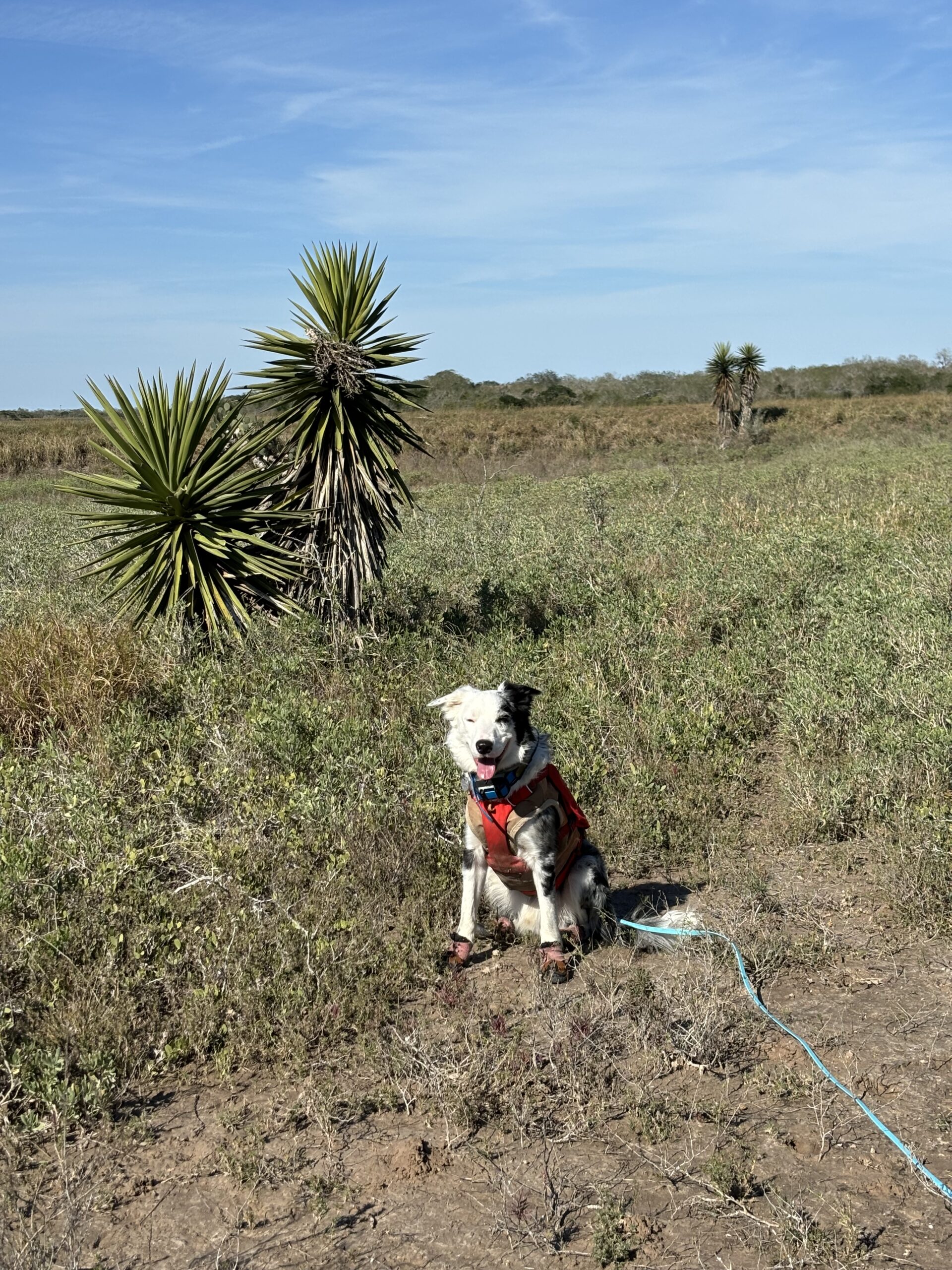
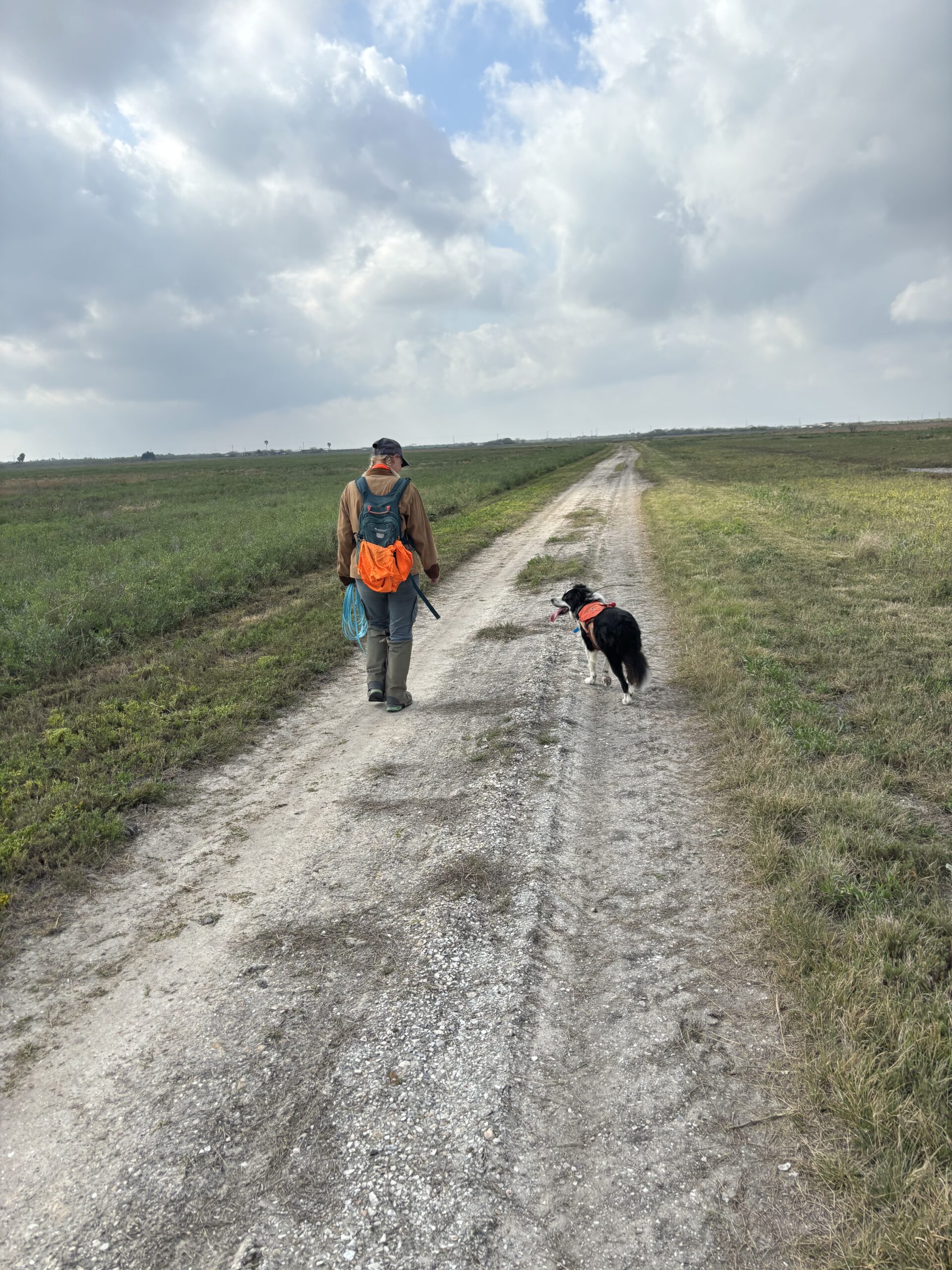
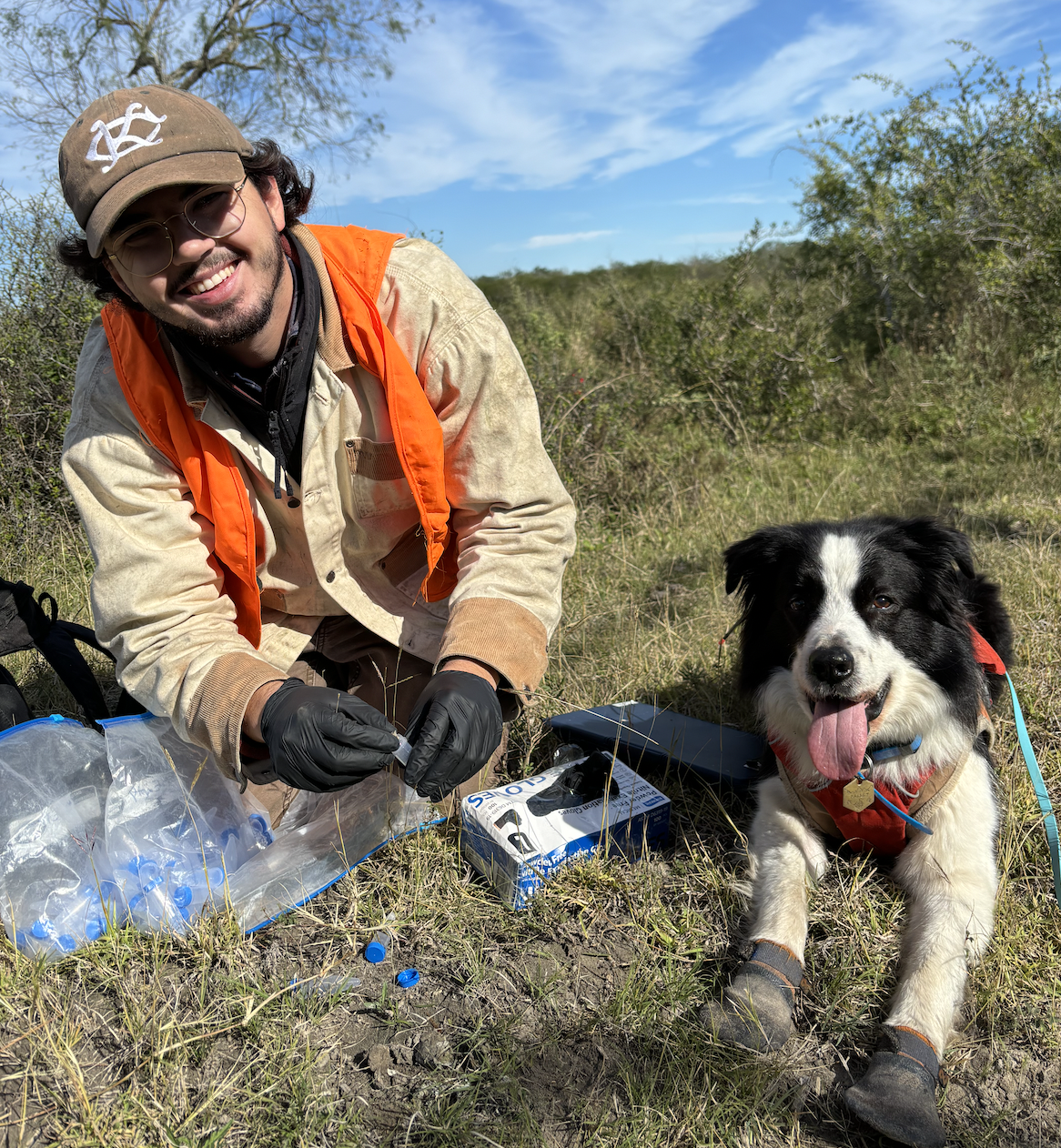
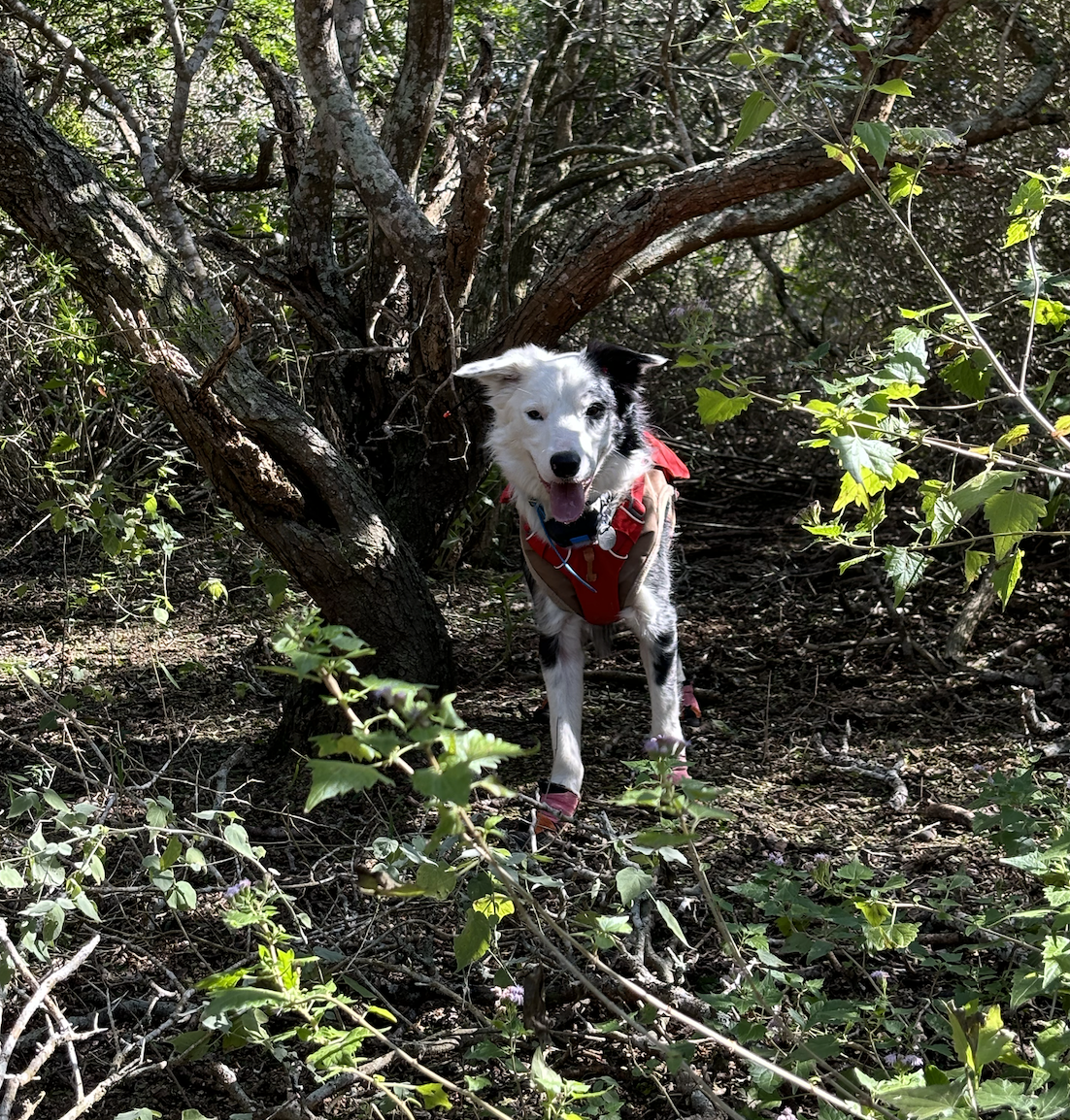
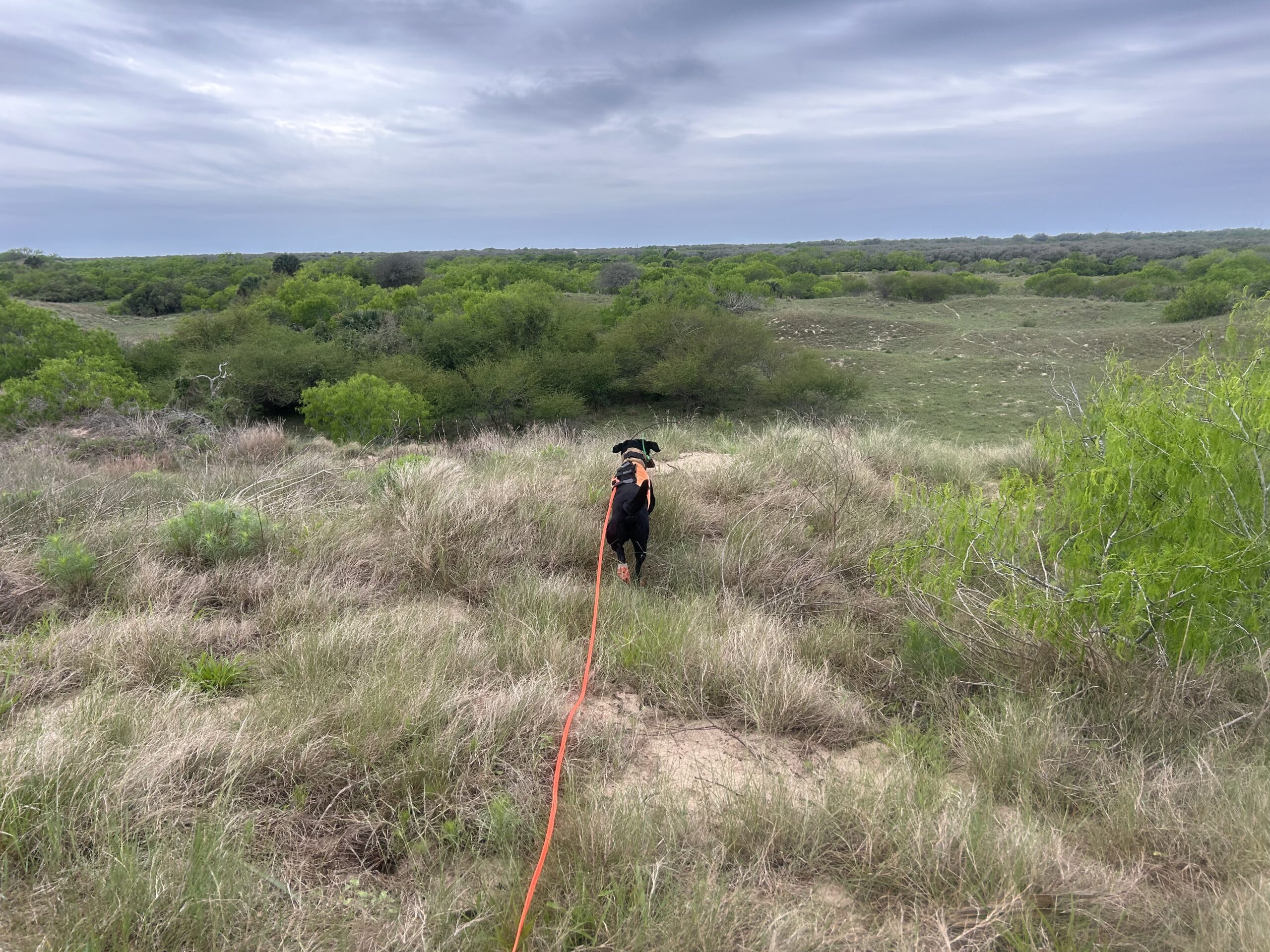
We are privileged to support ongoing research to estimate ocelot density and distribution in South Texas by assisting with non-invasive scat detection and collection. Working alongside Dr. Lisanne Petracca, PhD student James Helferich, and the Spatial and Population Ecology of Carnivores Lab, trained detection dogs help locate ocelot and bobcat scat across both protected lands and privately owned ranches.
Ocelots are one of the most endangered wild cats in the United States, with recovery efforts increasingly dependent on successful conservation actions beyond public lands. In South Texas, much of the remaining and potential habitat for ocelots occurs on private property, making accurate population data essential for guiding management decisions, reintroduction planning, and landowner engagement.
By increasing detection efficiency in dense vegetation and expansive landscapes, conservation dogs strengthen existing monitoring efforts that include camera traps, GPS collars, and spatially explicit capture–recapture models. This work contributes to a more complete understanding of ocelot populations across land ownership boundaries and supports science-based recovery strategies for this critically imperiled species.
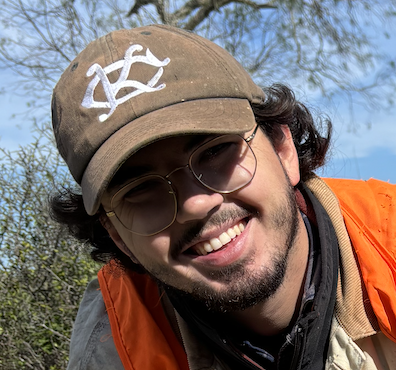
— James Helferich,"Our experience with K9 Conservationists was a great asset to our ocelot research program. We knew getting scat data would be a challenging endeavor, but working with K9 Conservationists allowed us to execute an effective project. The team was professional and easy to plan/work with, and we collected valuable data for Texas felids. Our handler Lauren, and her dogs, endured especially tough conditions to get the job done! We want to especially thank Kayla for helping to manage the project, Lauren for running an awesome dog team, and of course the hard-working pups Finn and Benny!"
PhD student, SPEC Lab, Caesar Kleberg Wildlife Research Institute