Monitoring at Green Energy Facilities





Project Details
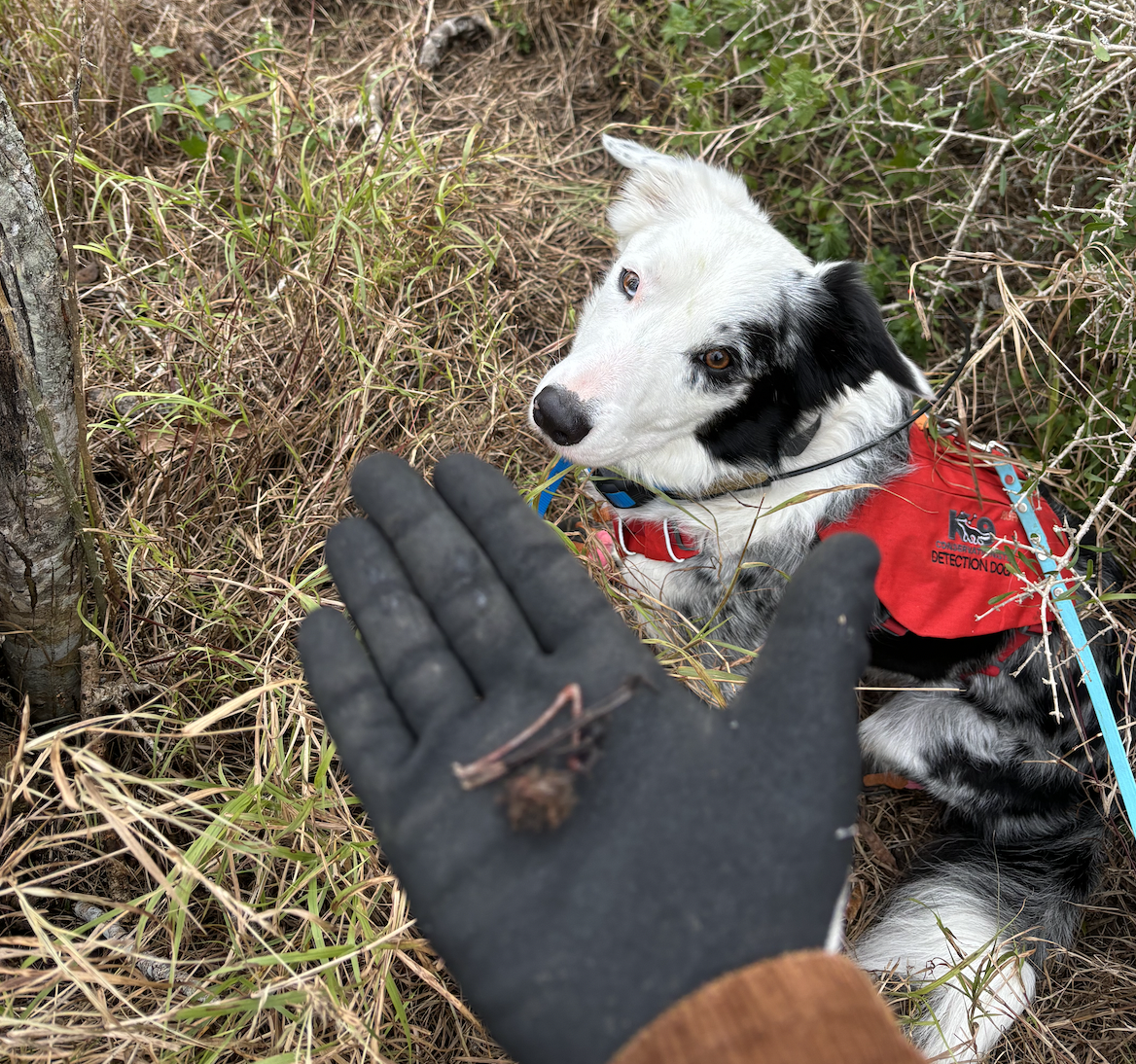
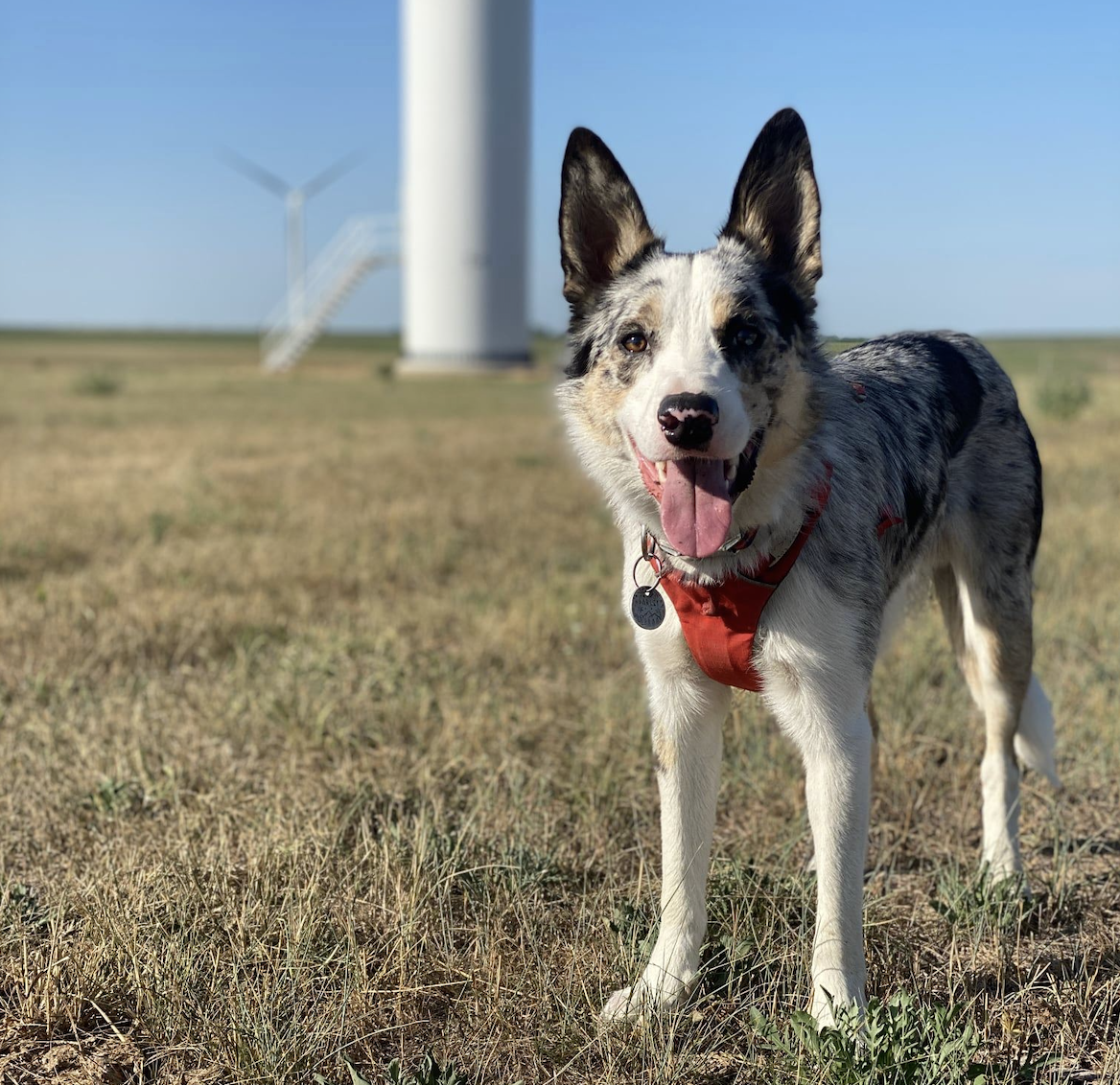
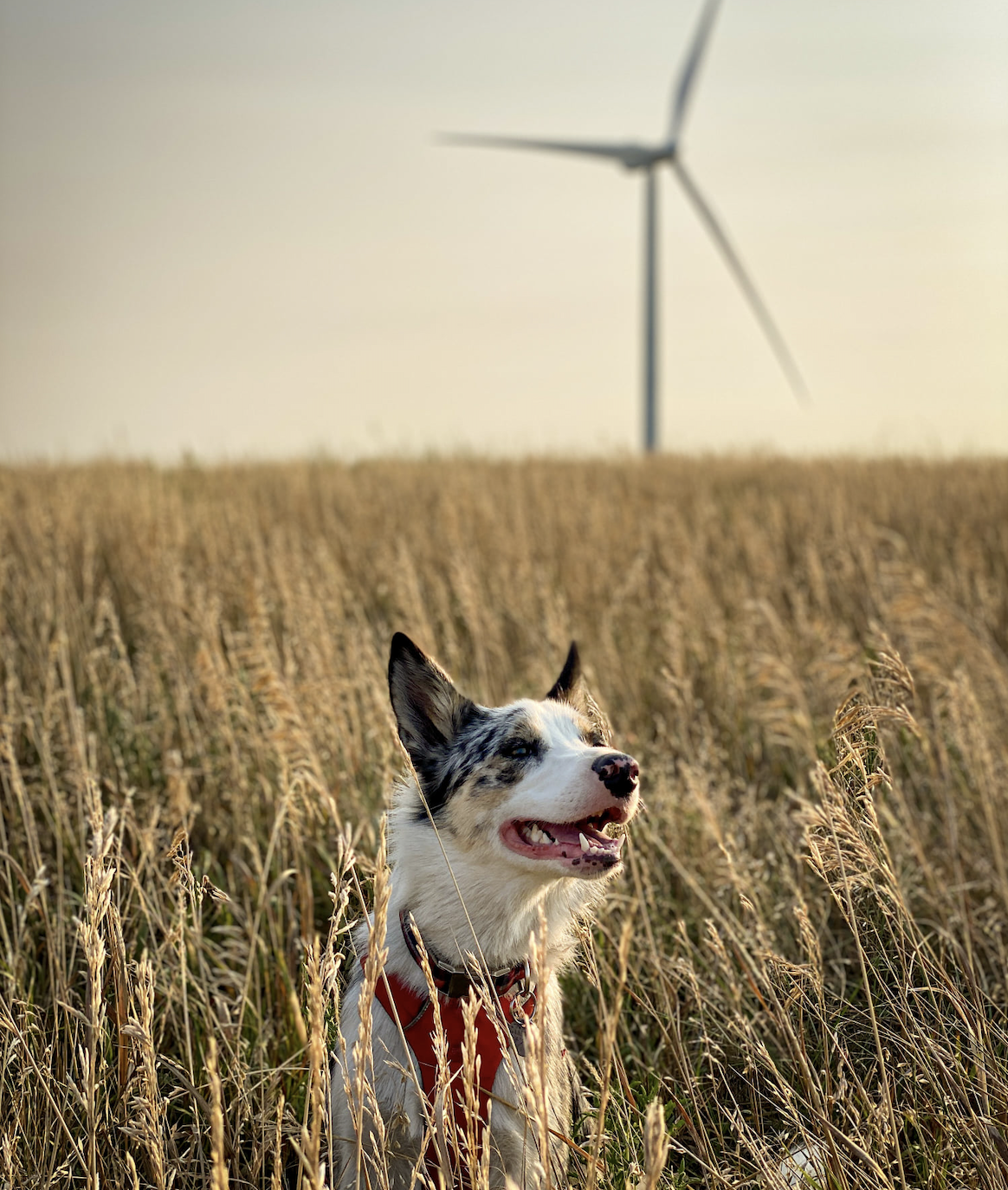
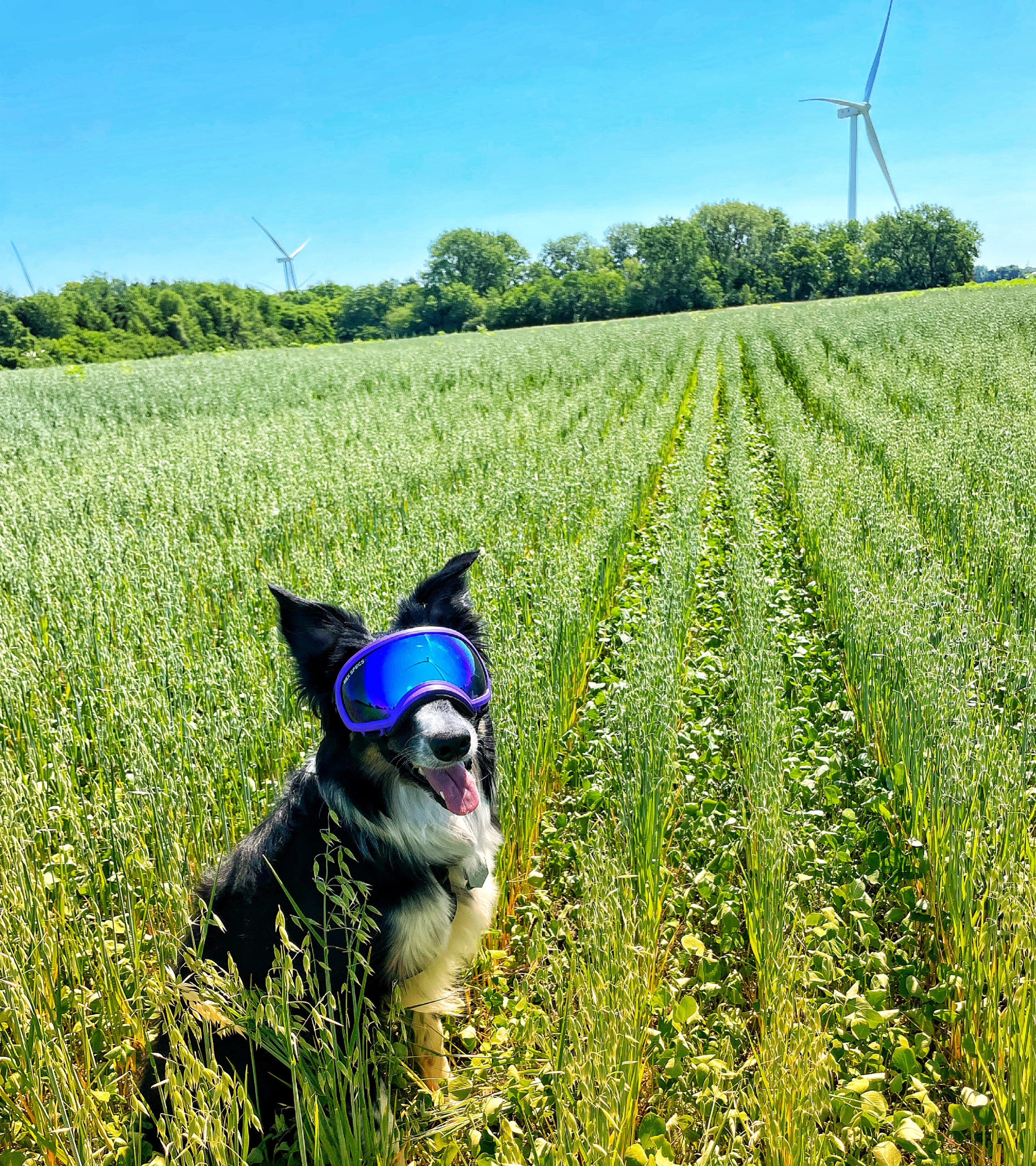
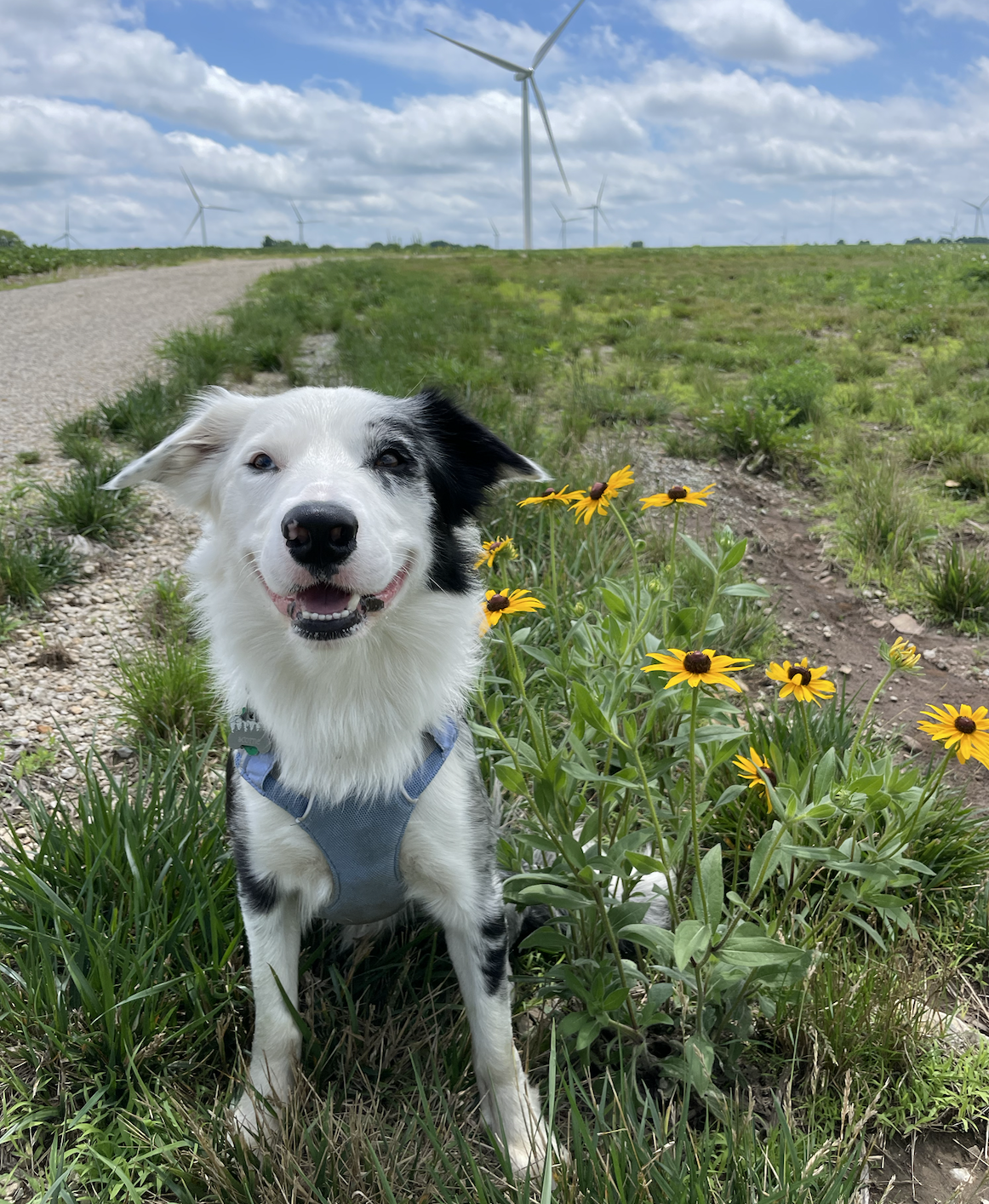
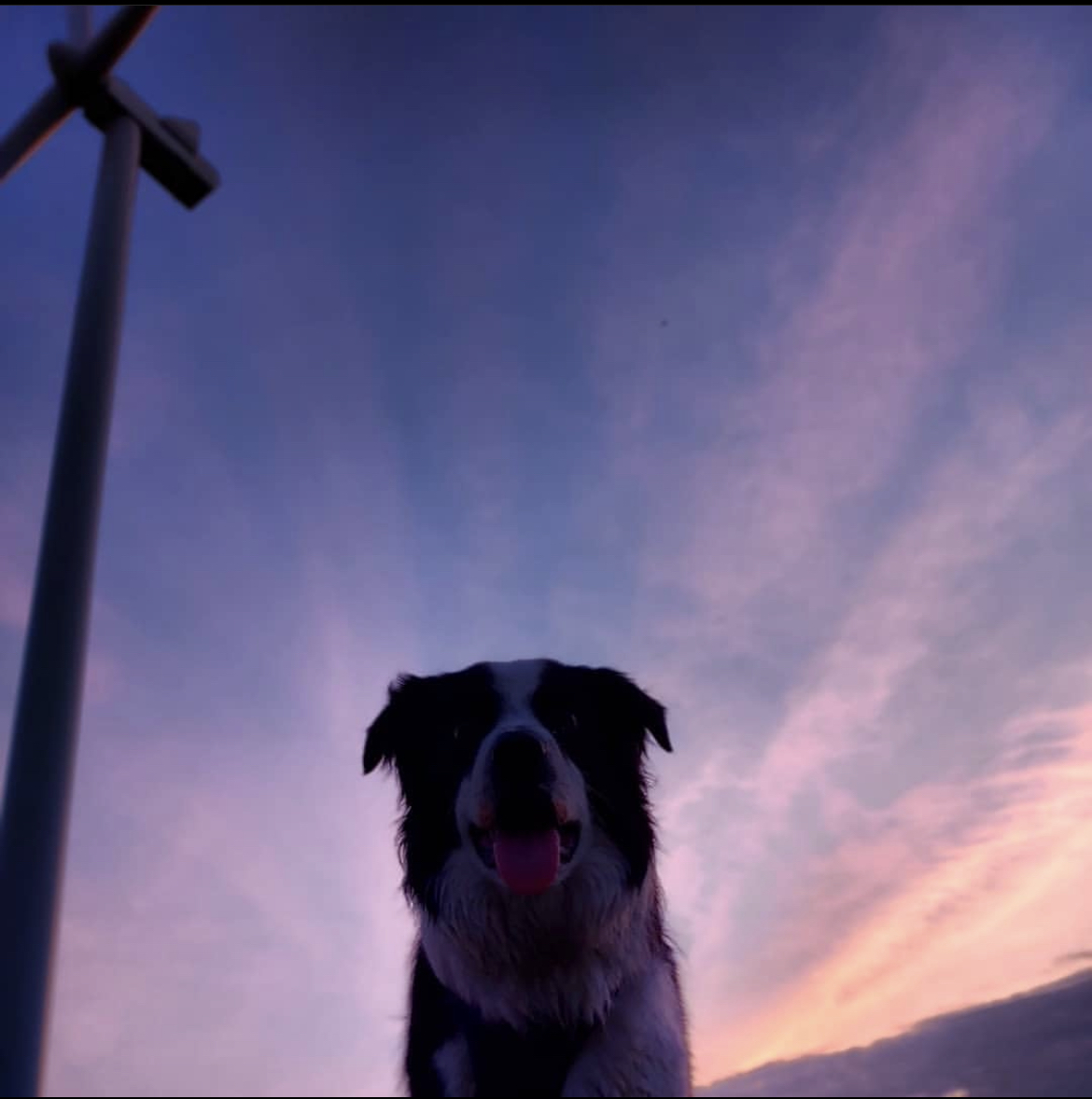
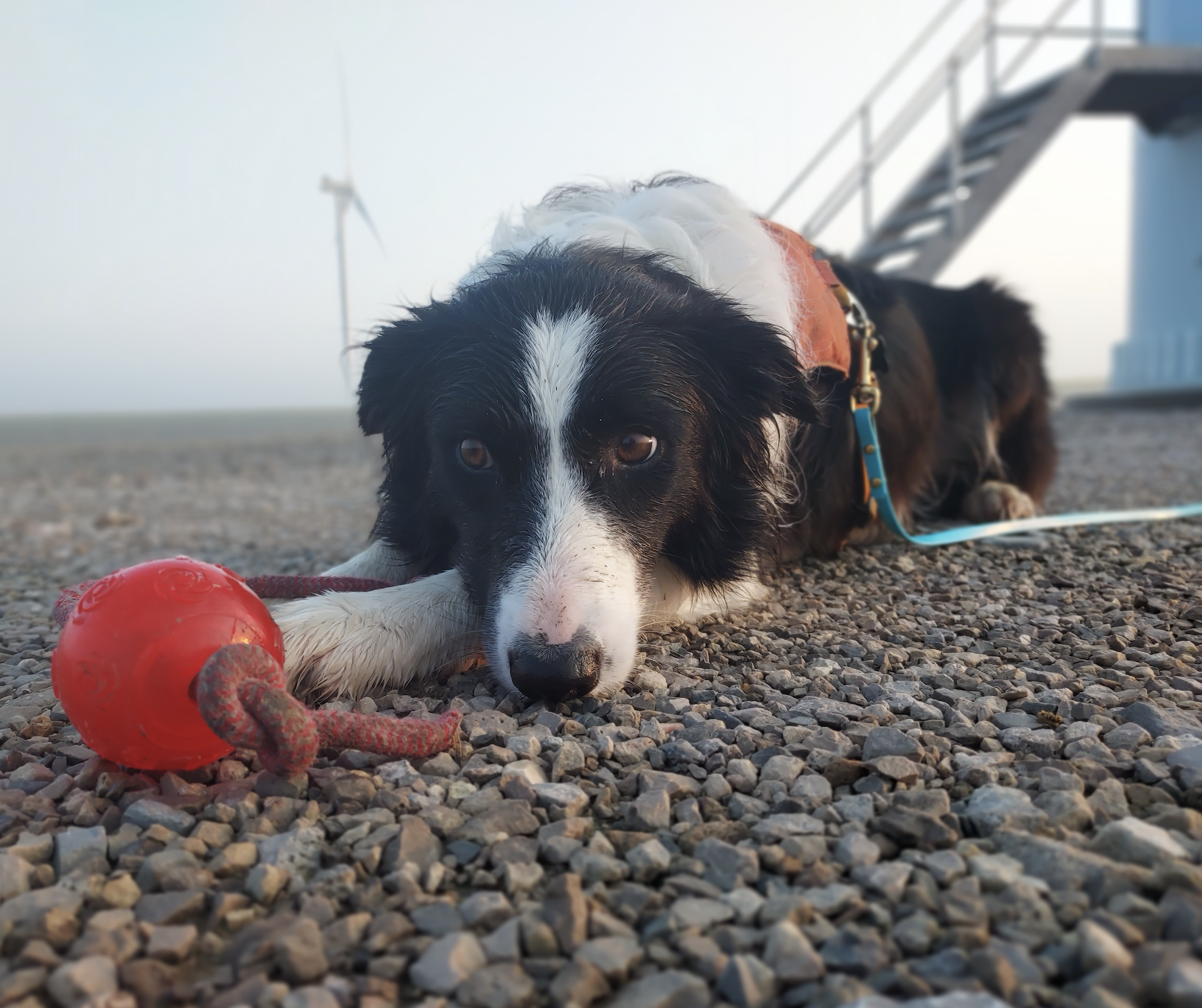
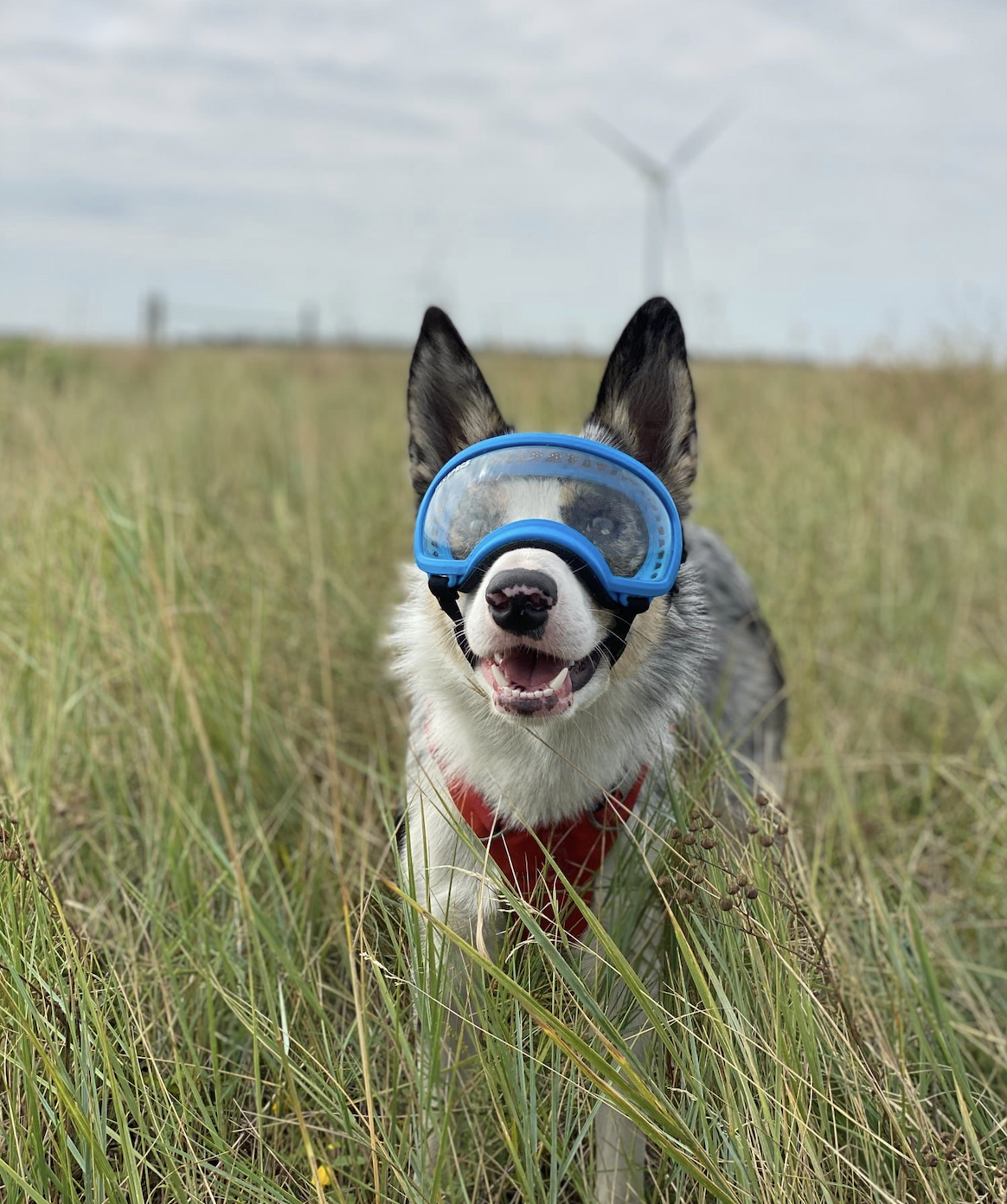
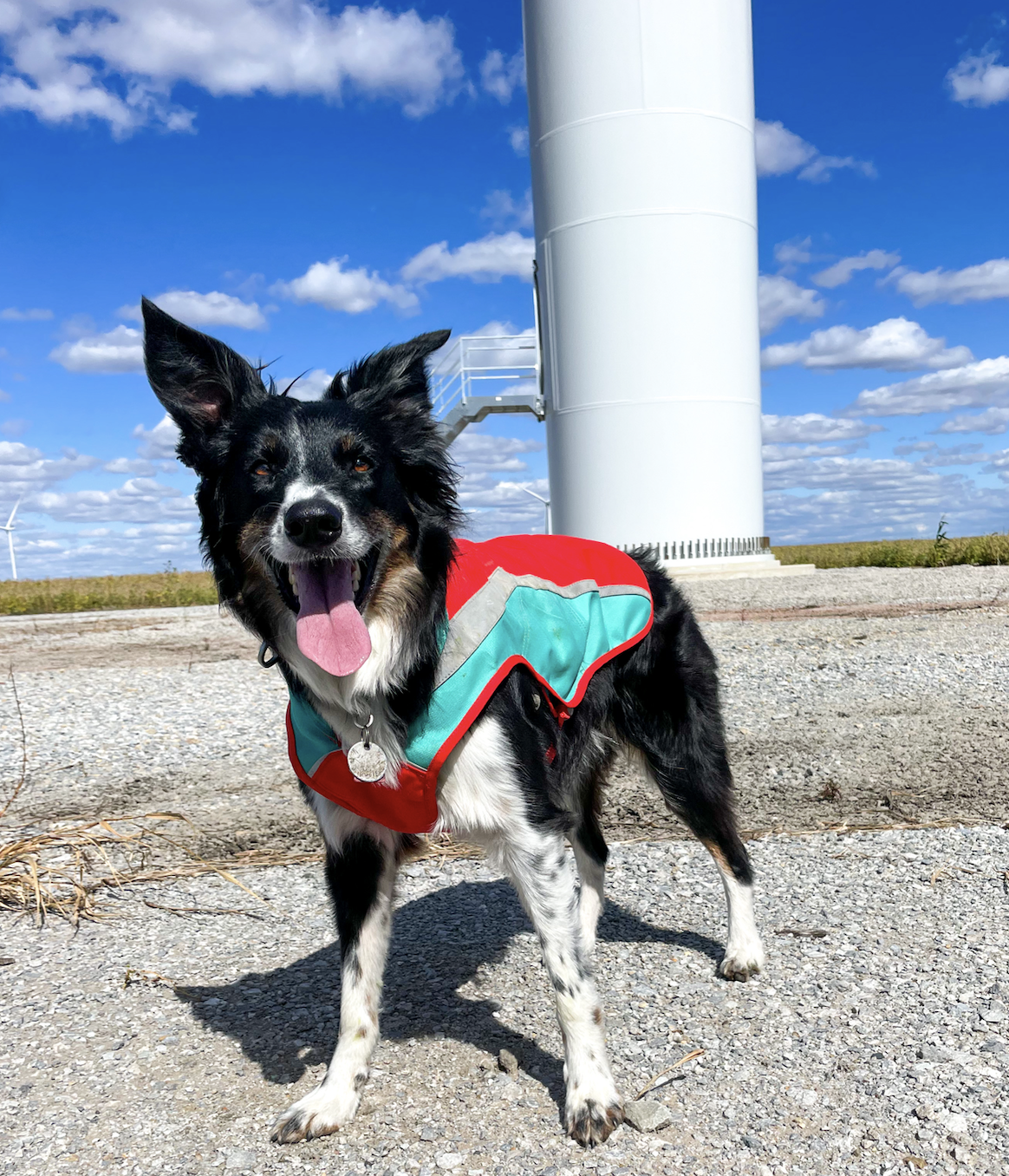
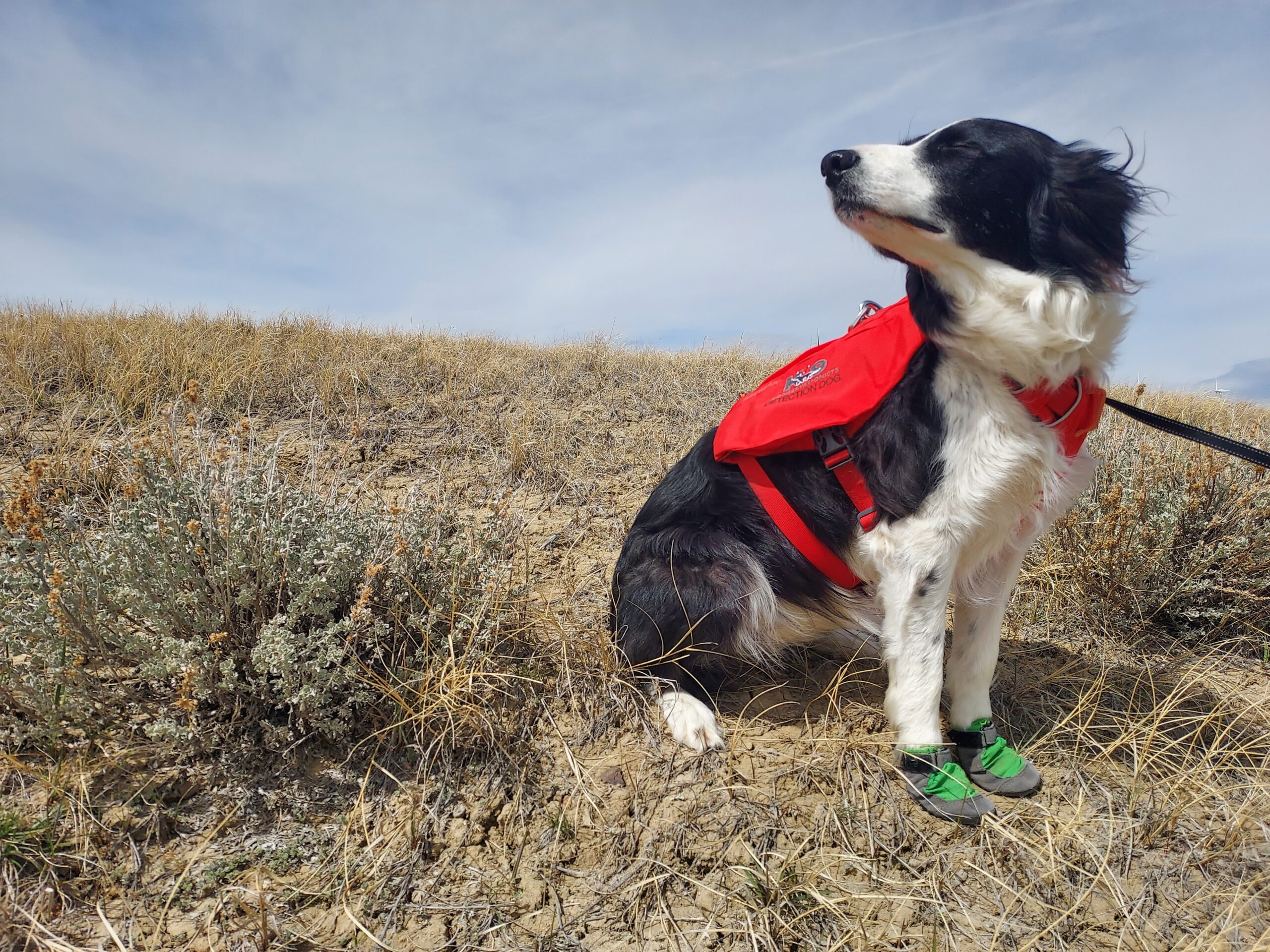
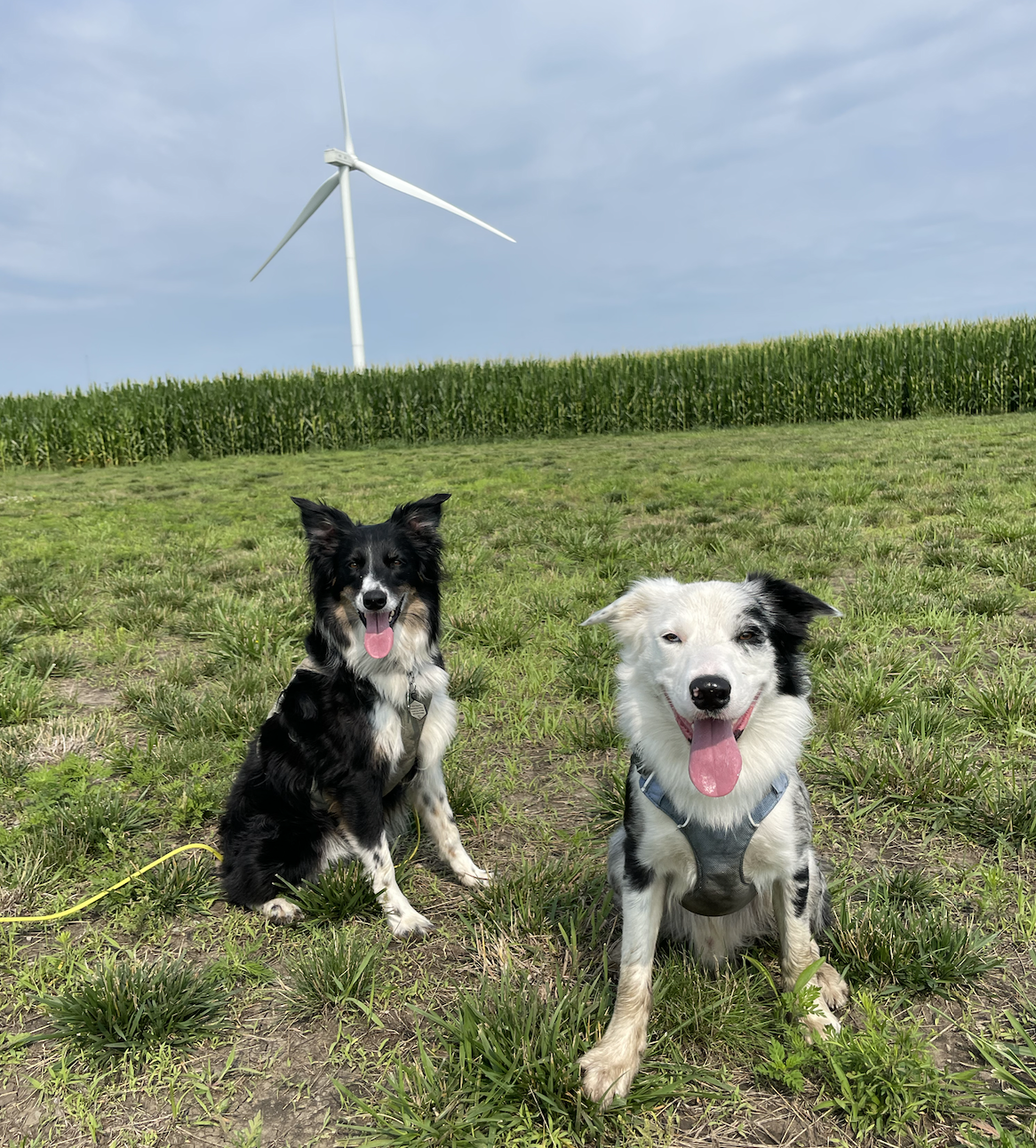
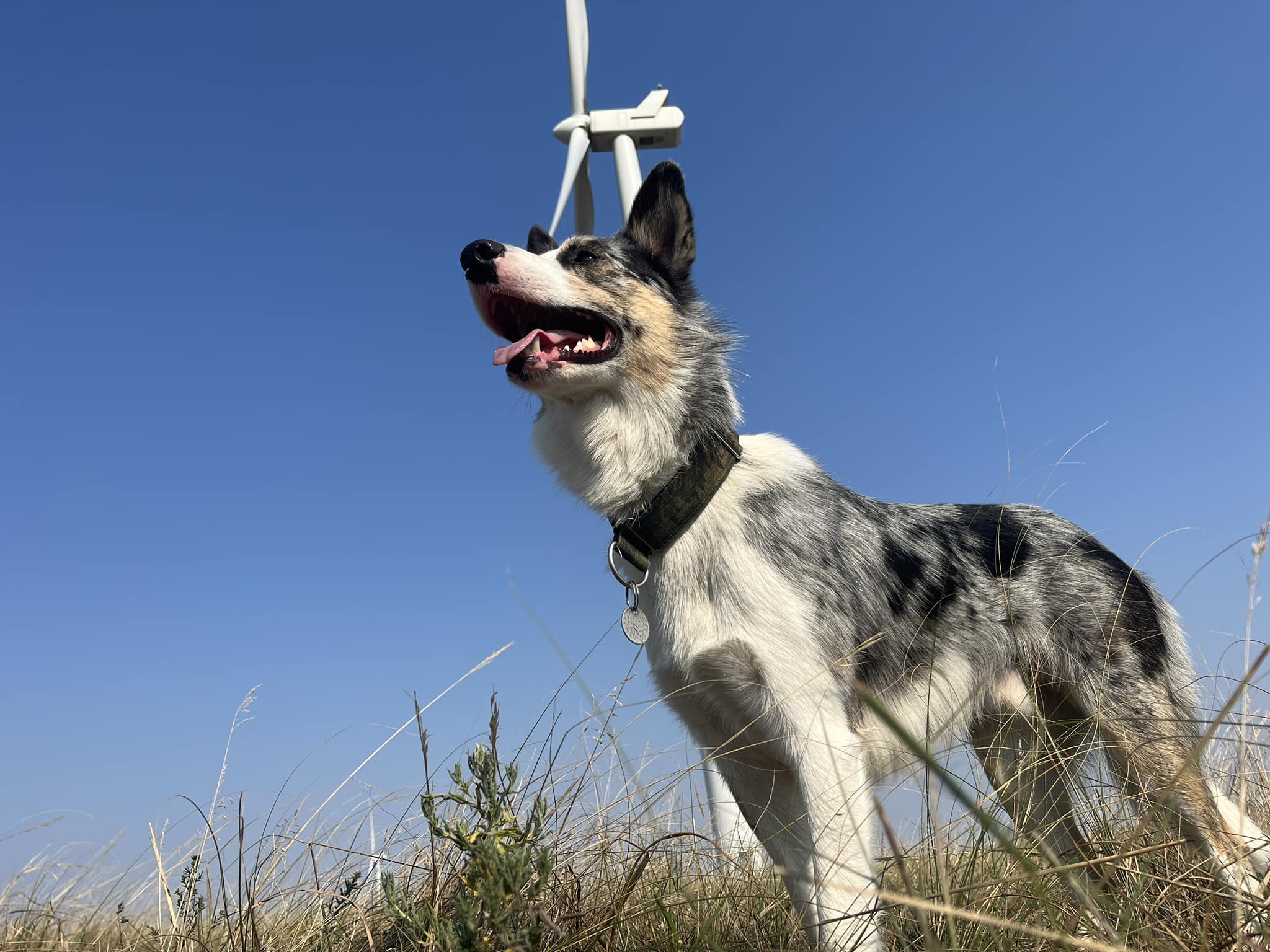
The K9 Conservationists team has a combined decade of work training and handling detection dogs to find casualties under wind turbines for post-construction monitoring. Our detection dogs are trained to find entire carcasses, scavenged and buried carcasses, feather spots, and small bone fragments. When combined with searcher efficiency trials and carcass persistence trials, detection dog teams help develop weather and migration models to reduce environmental impact and determine the efficacy of curtailment, painted blades, and other mitigation efforts.
Our wind farm detection dog teams can:
Detect bird and bat carcasses at varying stages of decay
Alert to targets without touching them, preserving DNA should species confirmation be necessary
Locate partial carcasses under thick vegetation including buried carcasses
Ignore other carcasses such as mice
Work safety and responsibly around livestock and wildlife, including ground-nesting birds, and rattlesnakes
Cover areas more quickly and efficiently than human-only searchers
Locate carcasses up to 100m upwind of a search transect (under ideal conditions)
Collaborate with your team on study design and survey strategy to meet coverage goals and model assumptions
Assist with report-writing, white papers, and/or scientific publication of finding
In controlled studies at wind facilities, trained detection dogs located up to 96% of bat carcasses and 90 % of small bird carcasses, while humans detected as few as 6% of bats and 30% of small birds. [§]
Target odors include all bat and bird species, but especially: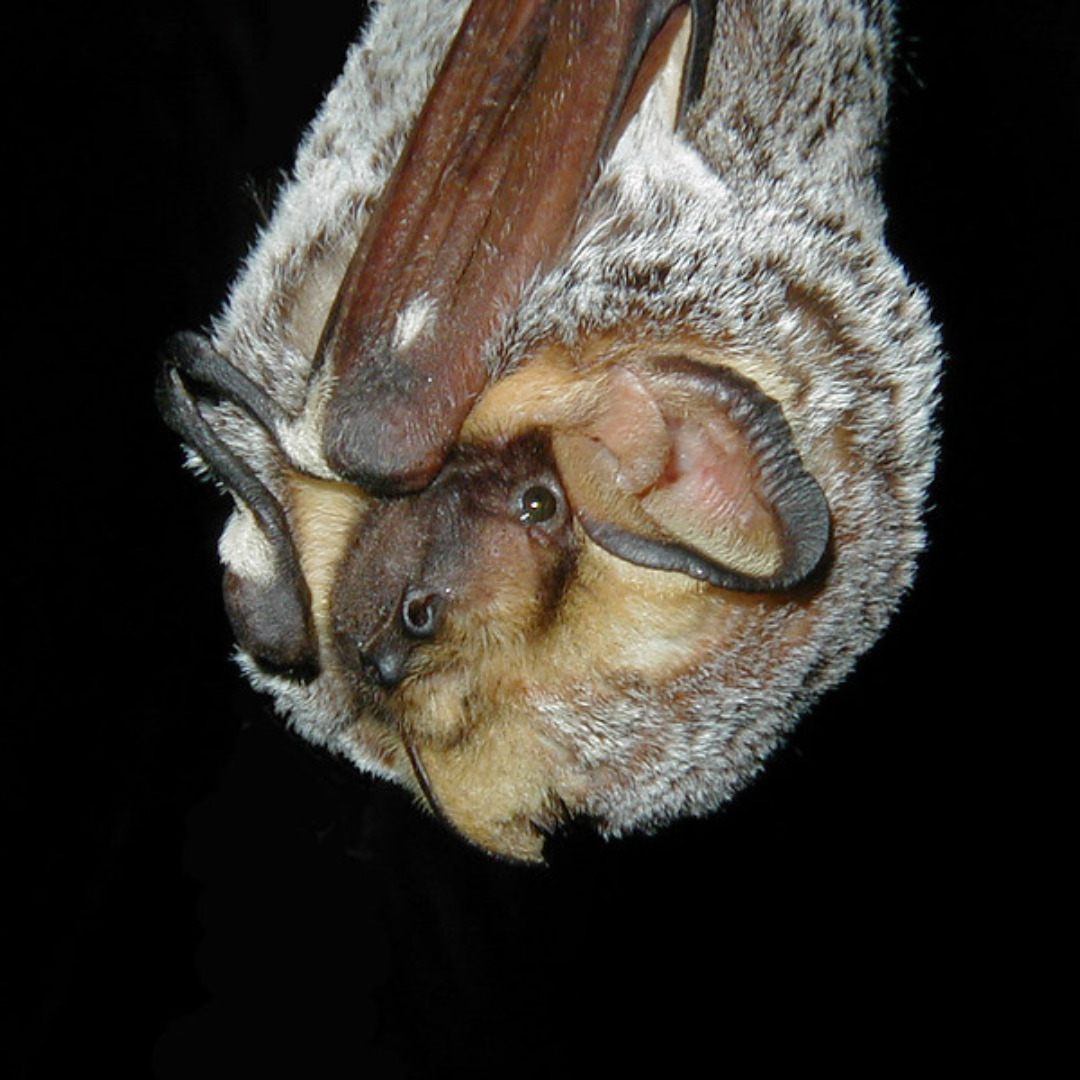
Hoary bat
Lasiurus cinereus
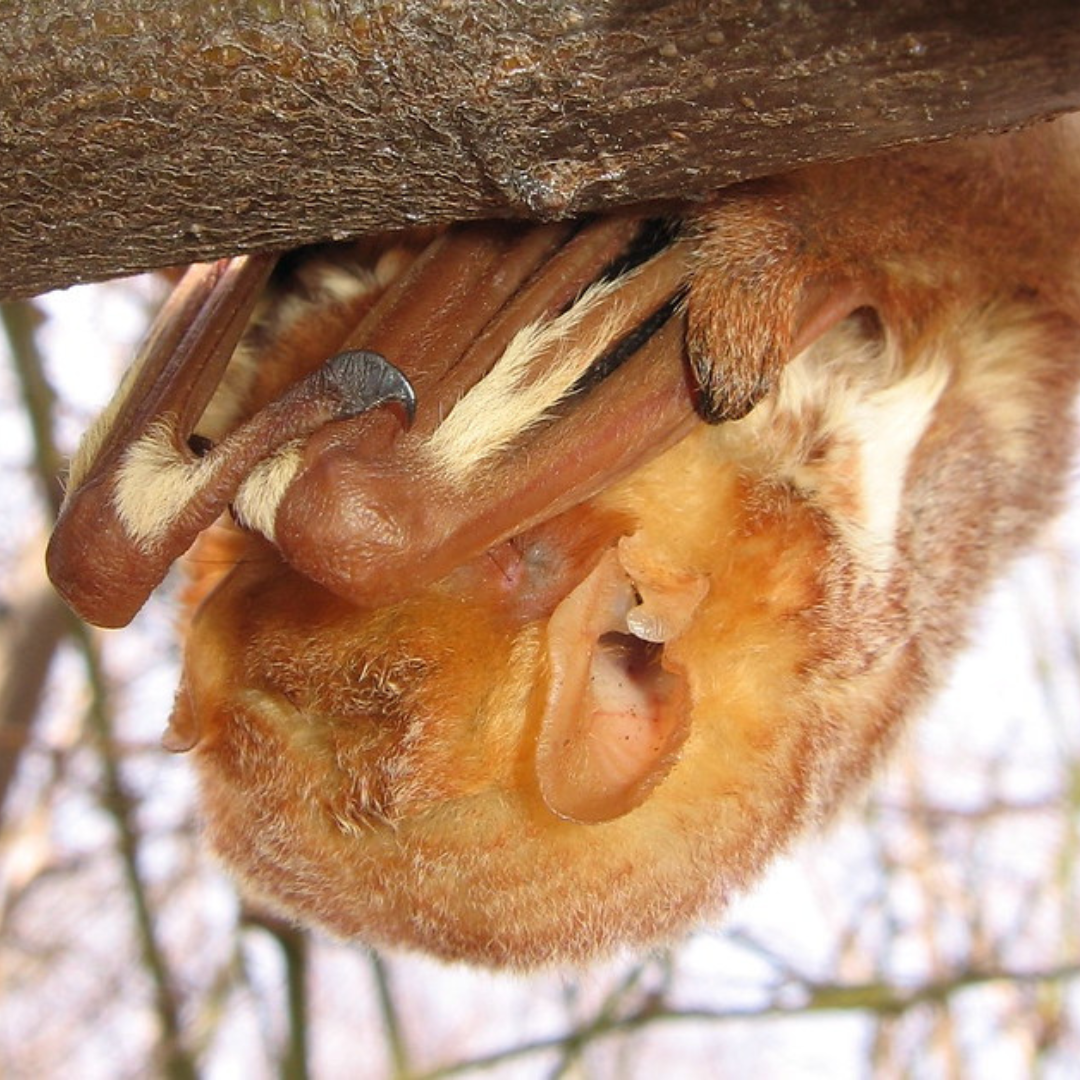
Eastern red bat
Lasiurus borealis
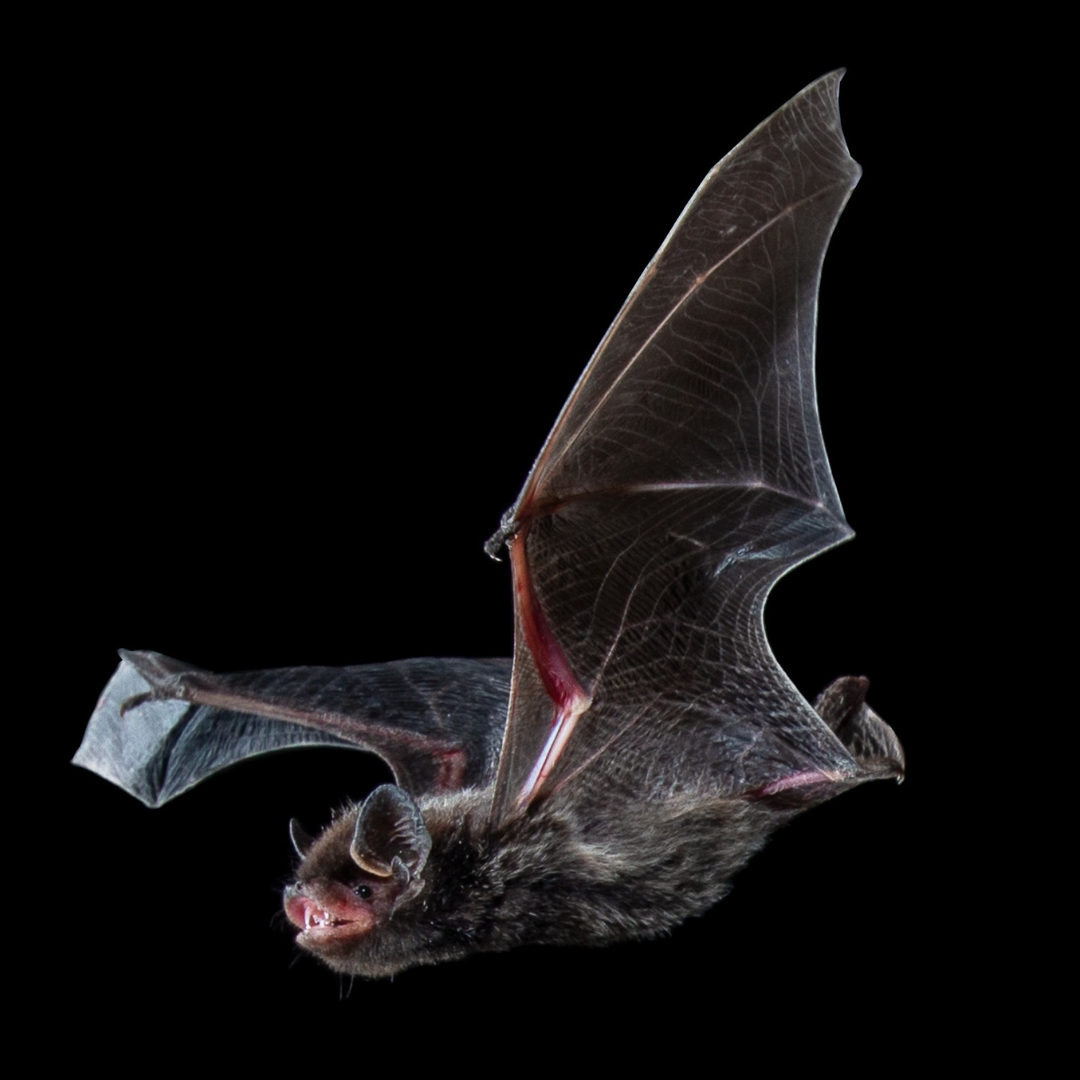
Silver-haired bat
Lasionycteris noctivagans
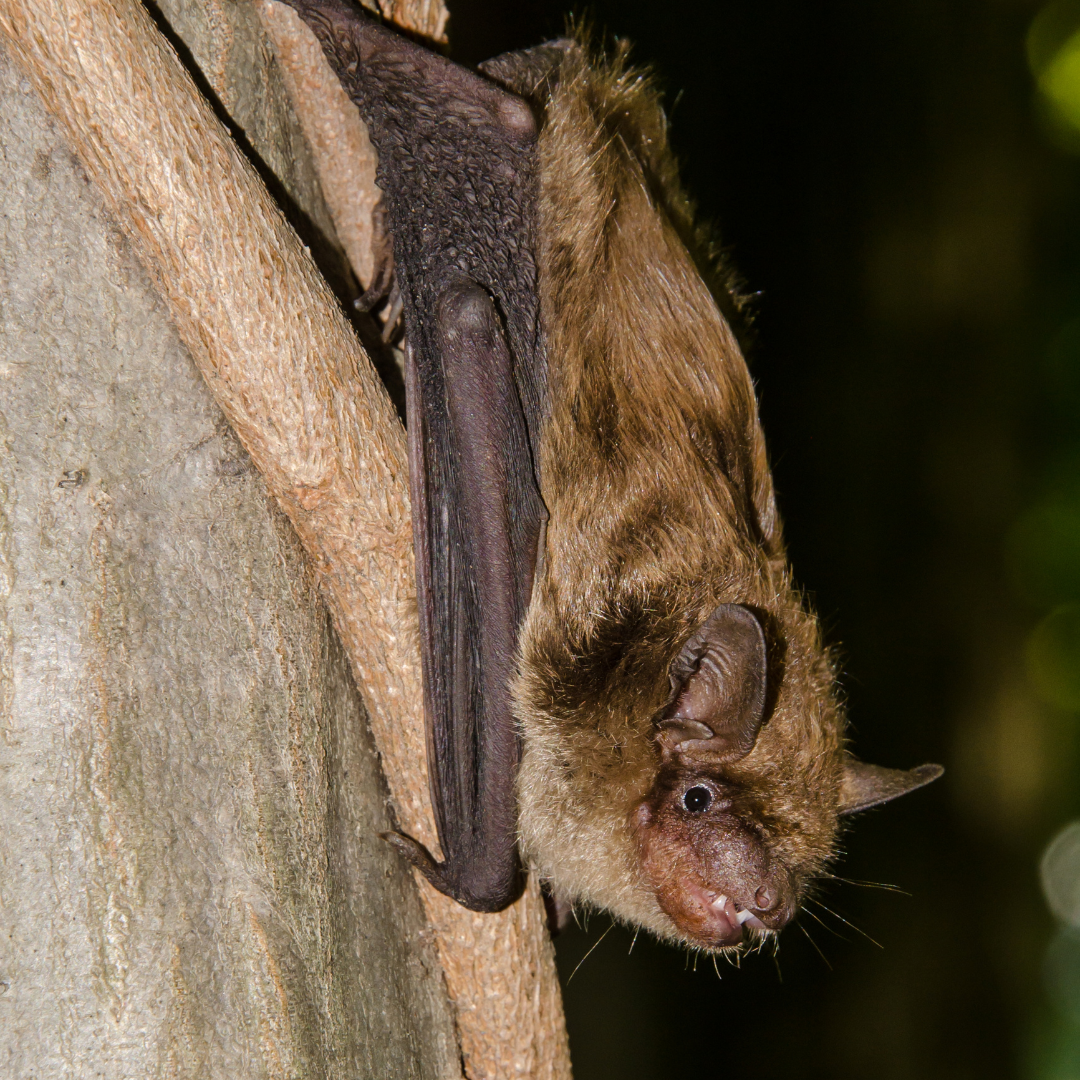
Big brown bat
Eptesicus fuscus
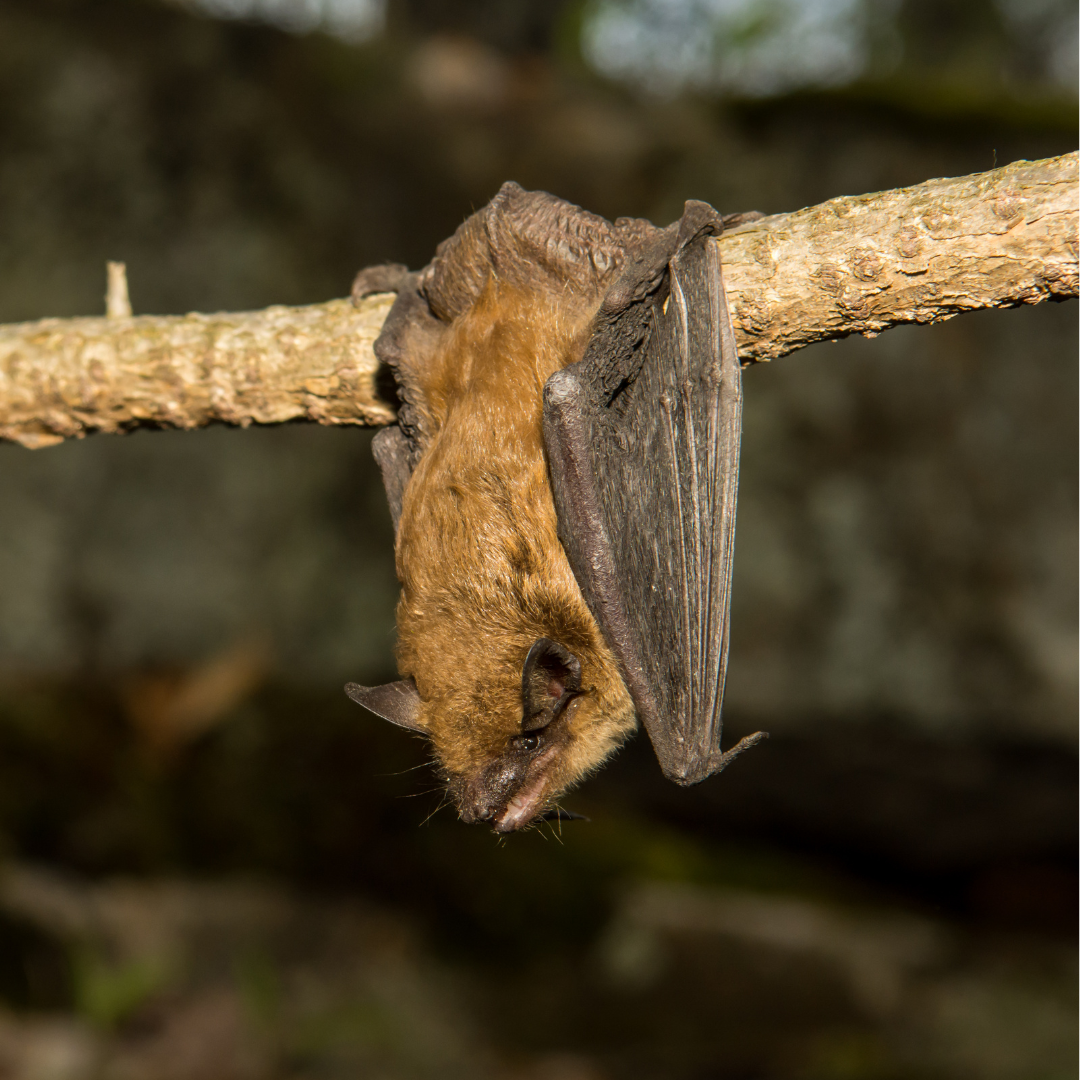
Evening bat
Nycticeius humeralis
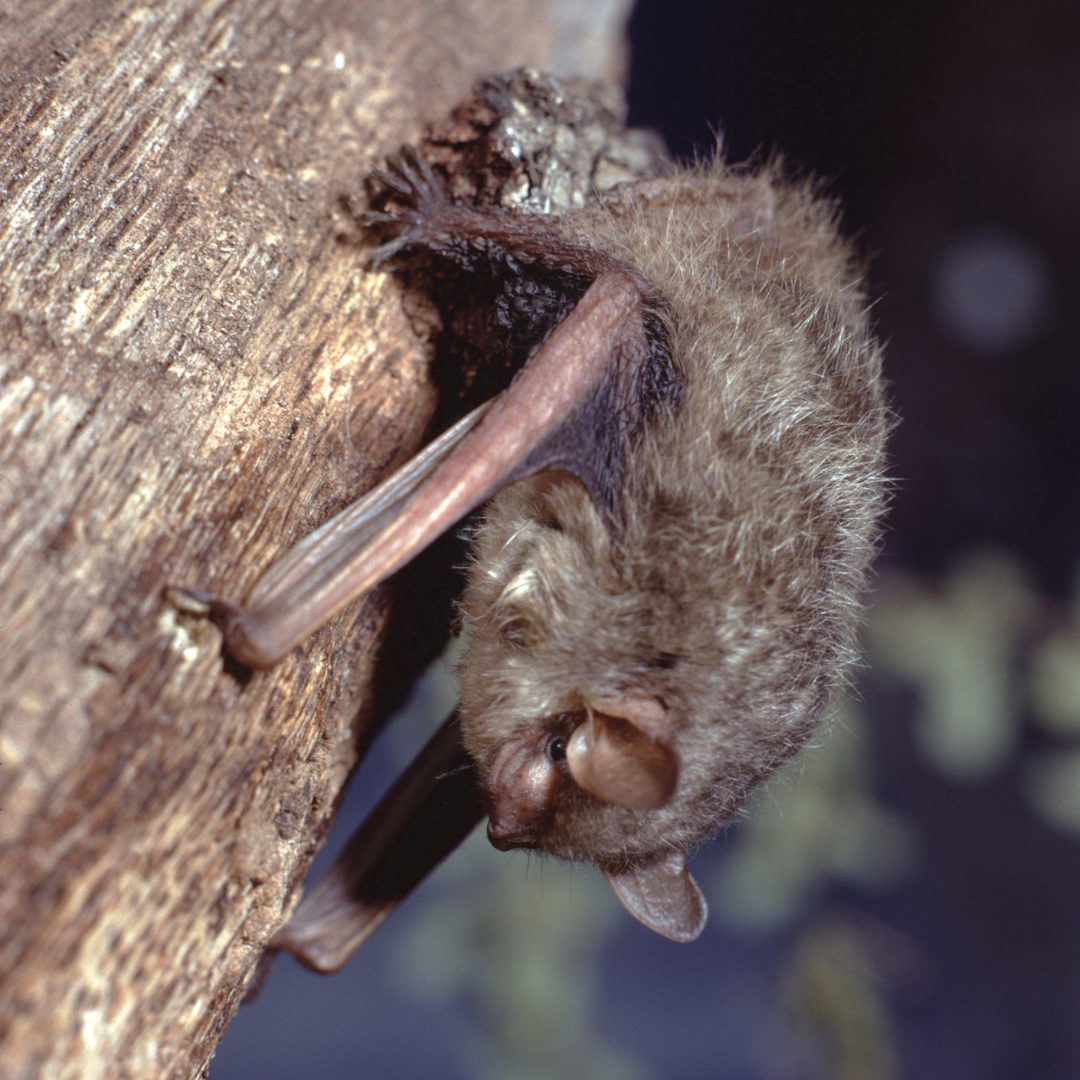
Myotis spp.
Myotis
Project Overview
As renewable energy infrastructure expands, effective post-construction monitoring is essential to understand and reduce wildlife impacts. Wind, solar, and other green-energy facilities are often located in open landscapes that overlap with migratory corridors and wildlife habitat, making accurate detection of bird and bat fatalities a critical component of responsible development.
Conservation detection dogs play a key role in post-construction monitoring by locating carcasses that may be missed during traditional visual surveys. Dogs can detect remains in dense vegetation, rugged terrain, and challenging weather conditions, and are able to locate partial or scavenged carcasses that are often overlooked by human observers. This increases detection probability and improves the quality and reliability of monitoring data.
By enhancing search efficiency and consistency, detection dogs help reduce uncertainty in fatality estimates and support more informed evaluations of mitigation measures. This work provides regulators, researchers, and energy developers with better data to guide adaptive management, improve facility design, and advance solutions that balance renewable energy development with wildlife conservation.
Curious if our detection dog teams are the right fit for your green energy project?
Reach out! We'd love to discuss how to make your project a success. If you'd like to read up first, here are a few resources to explore: