Alaskan Wolves

Project Details
In Southeast Alaska, uncertainty in wolf population estimates can directly influence harvest decisions, making reliable, non-invasive monitoring critical.
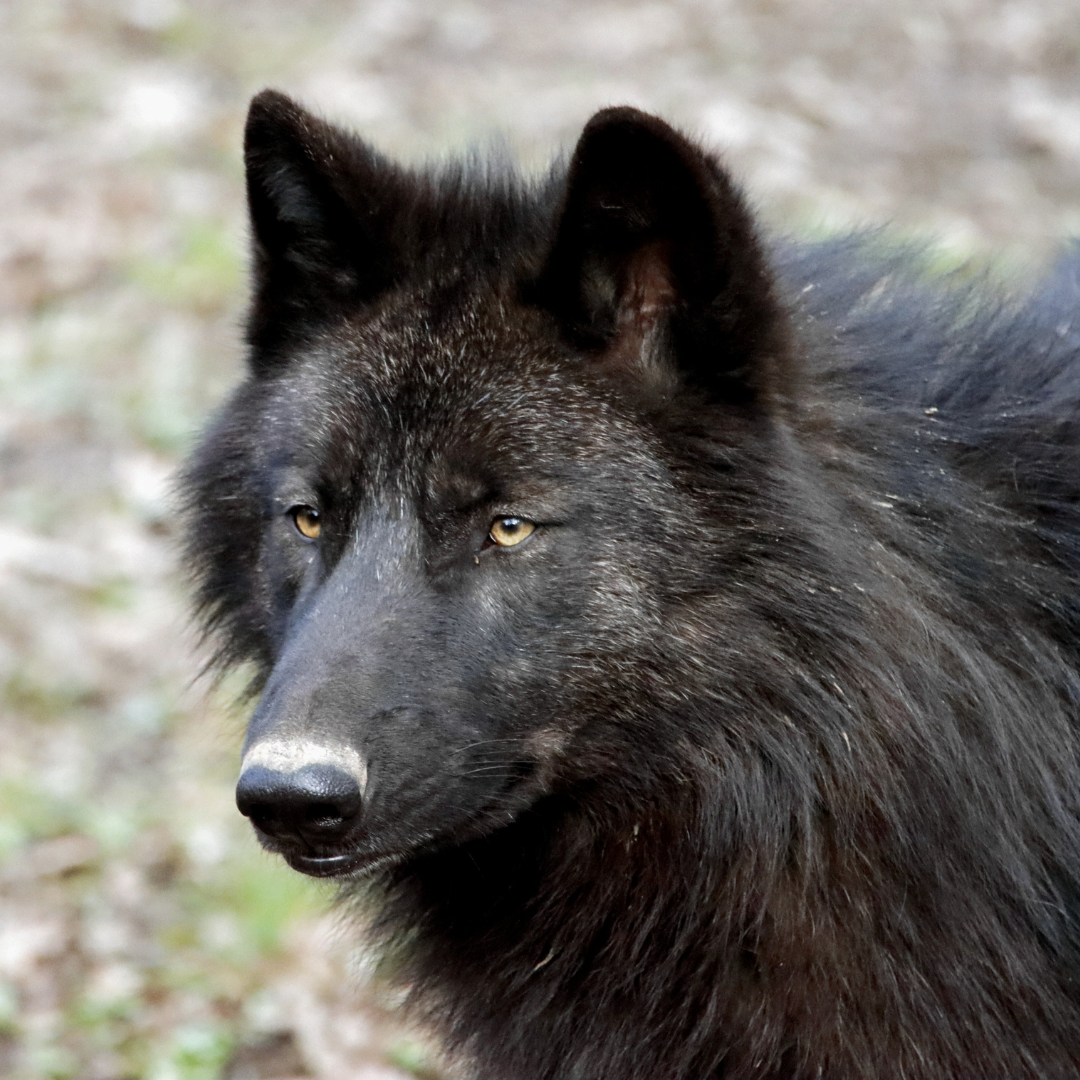
Alexander Archipelago wolf
Canis lupus ligoni
Project Overview
Accurate population data are critical for effective wildlife management, yet wolves in Southeast Alaska are notoriously difficult to monitor. Dense temperate rainforests, rugged terrain, and low wolf densities limit the effectiveness of traditional survey methods such as aerial counts or hair snare grids. As a result, population estimates can carry substantial uncertainty, even though they are used to inform major management decisions, including harvest regulations.
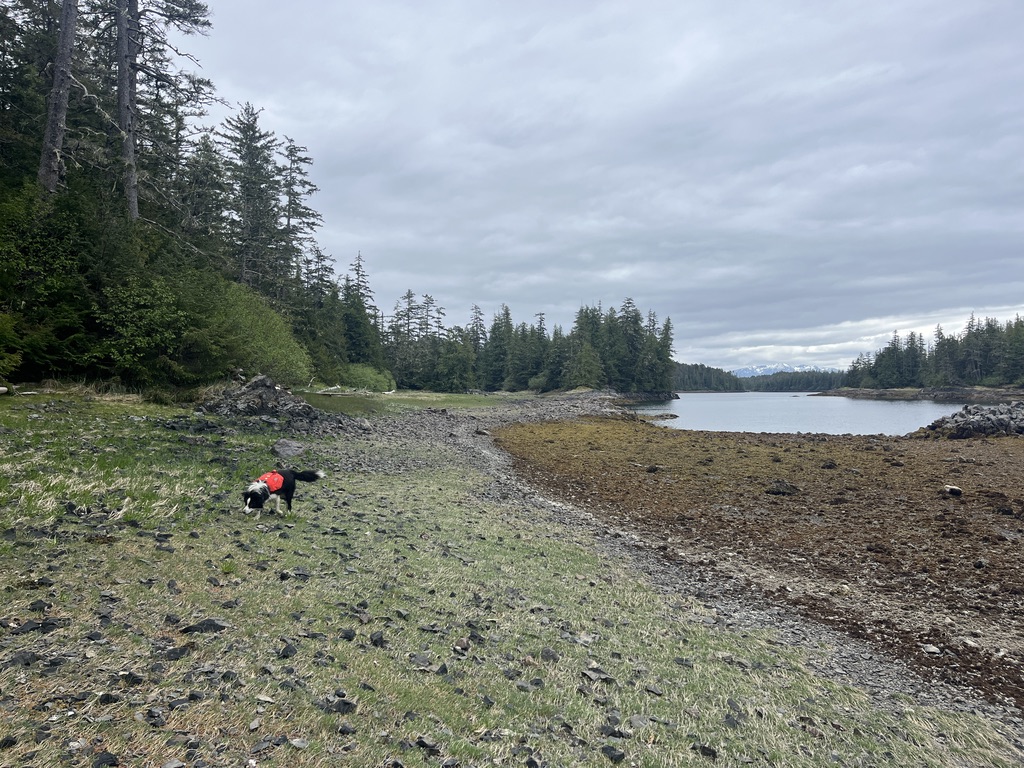
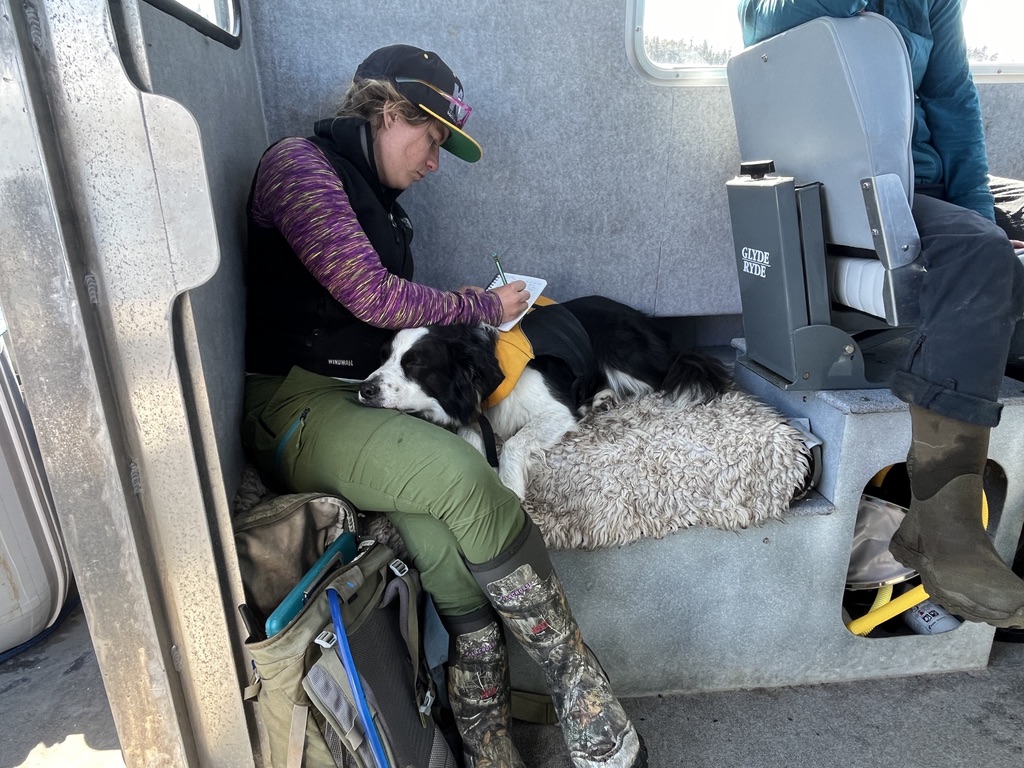
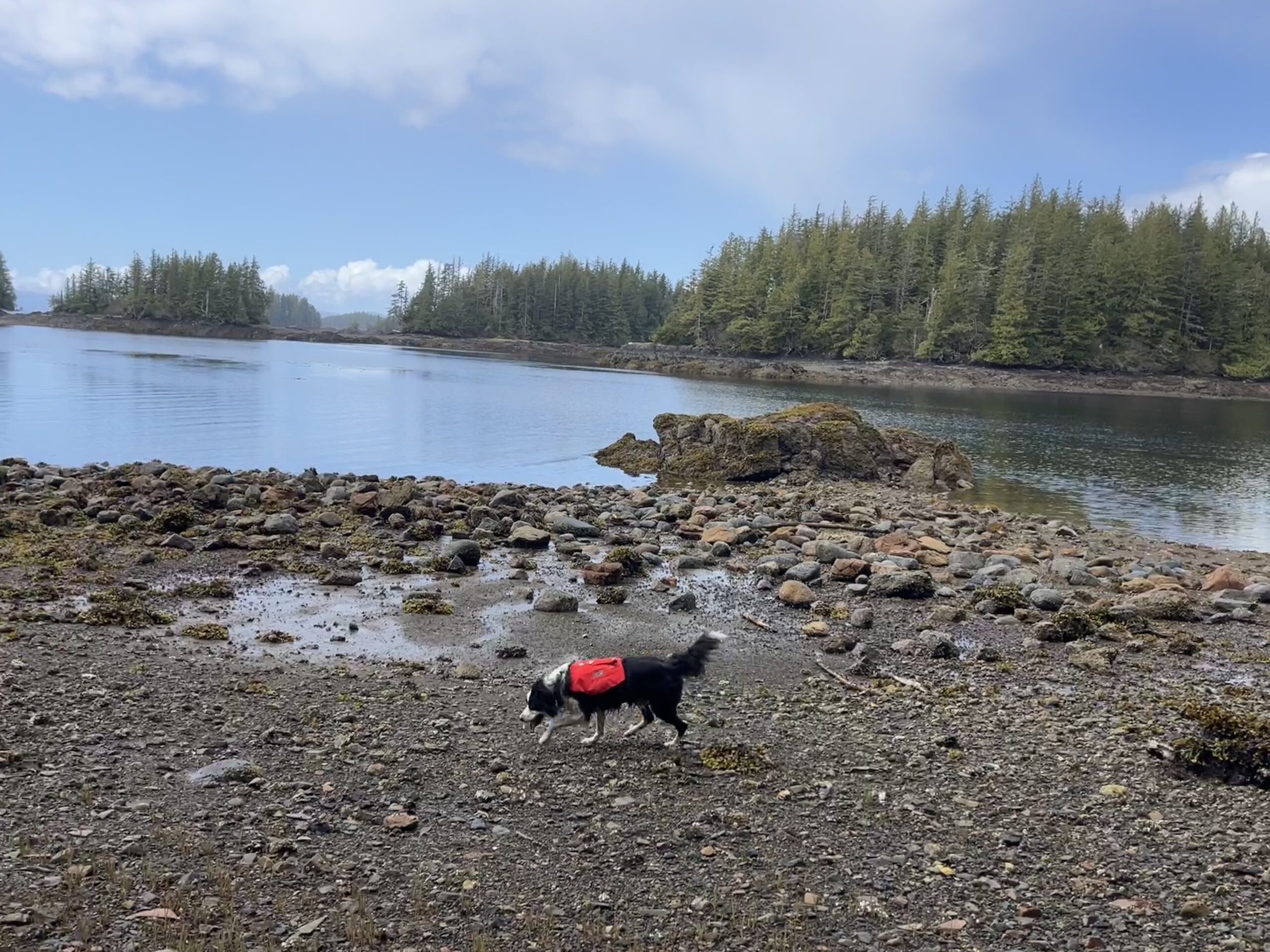
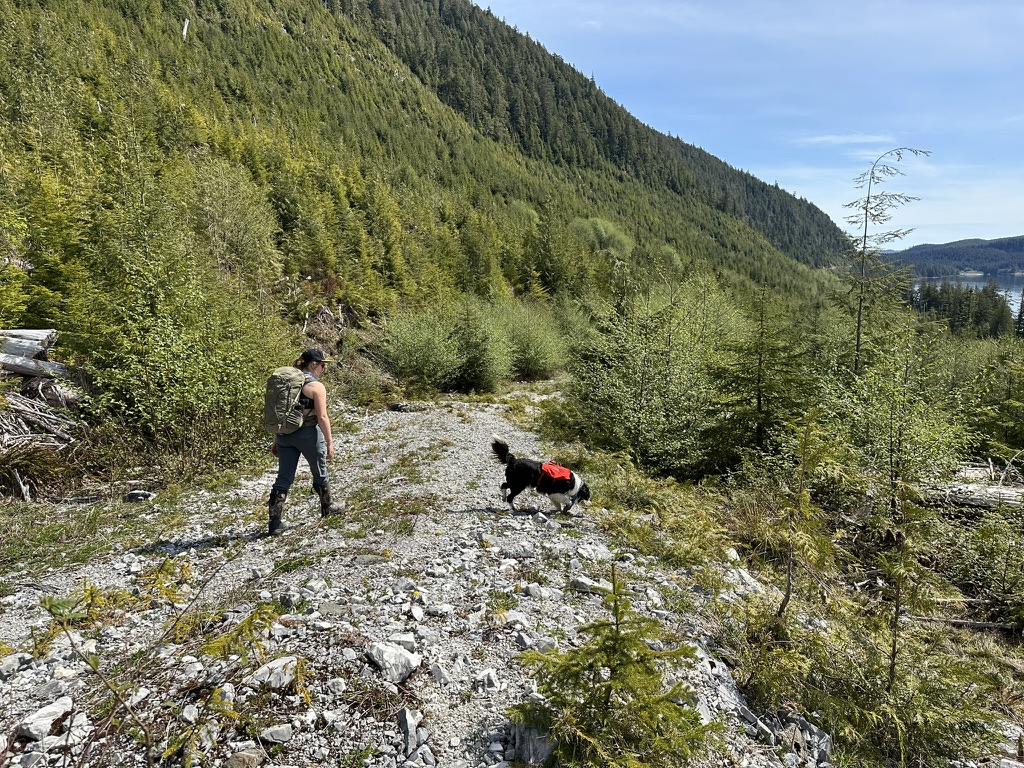
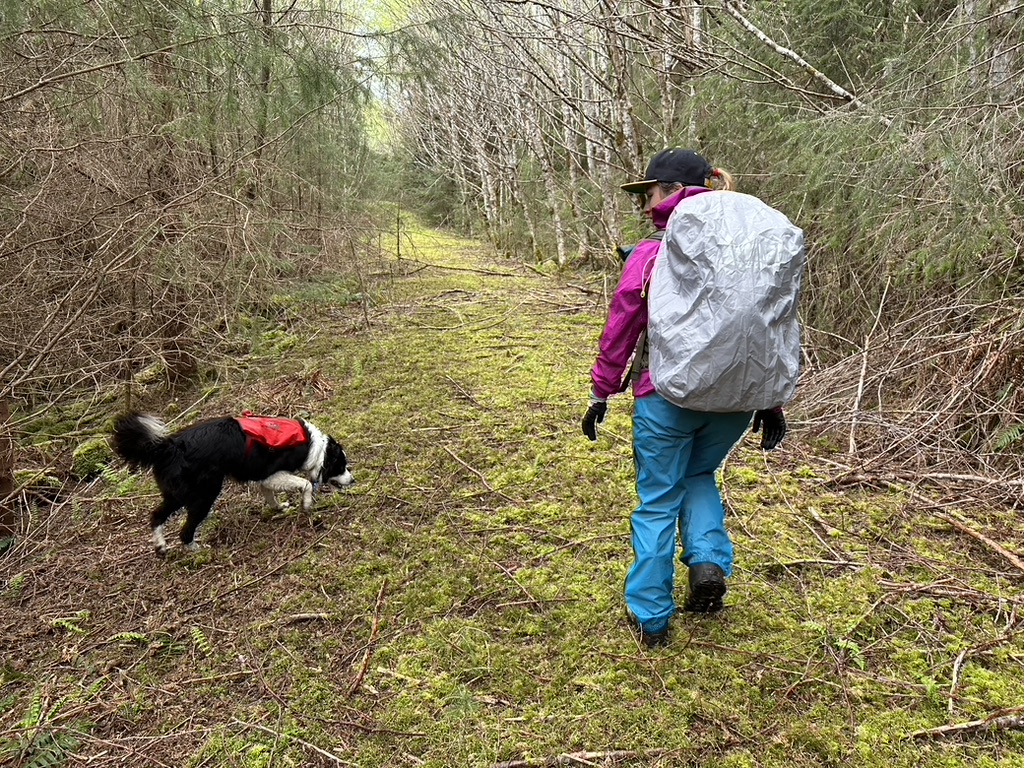
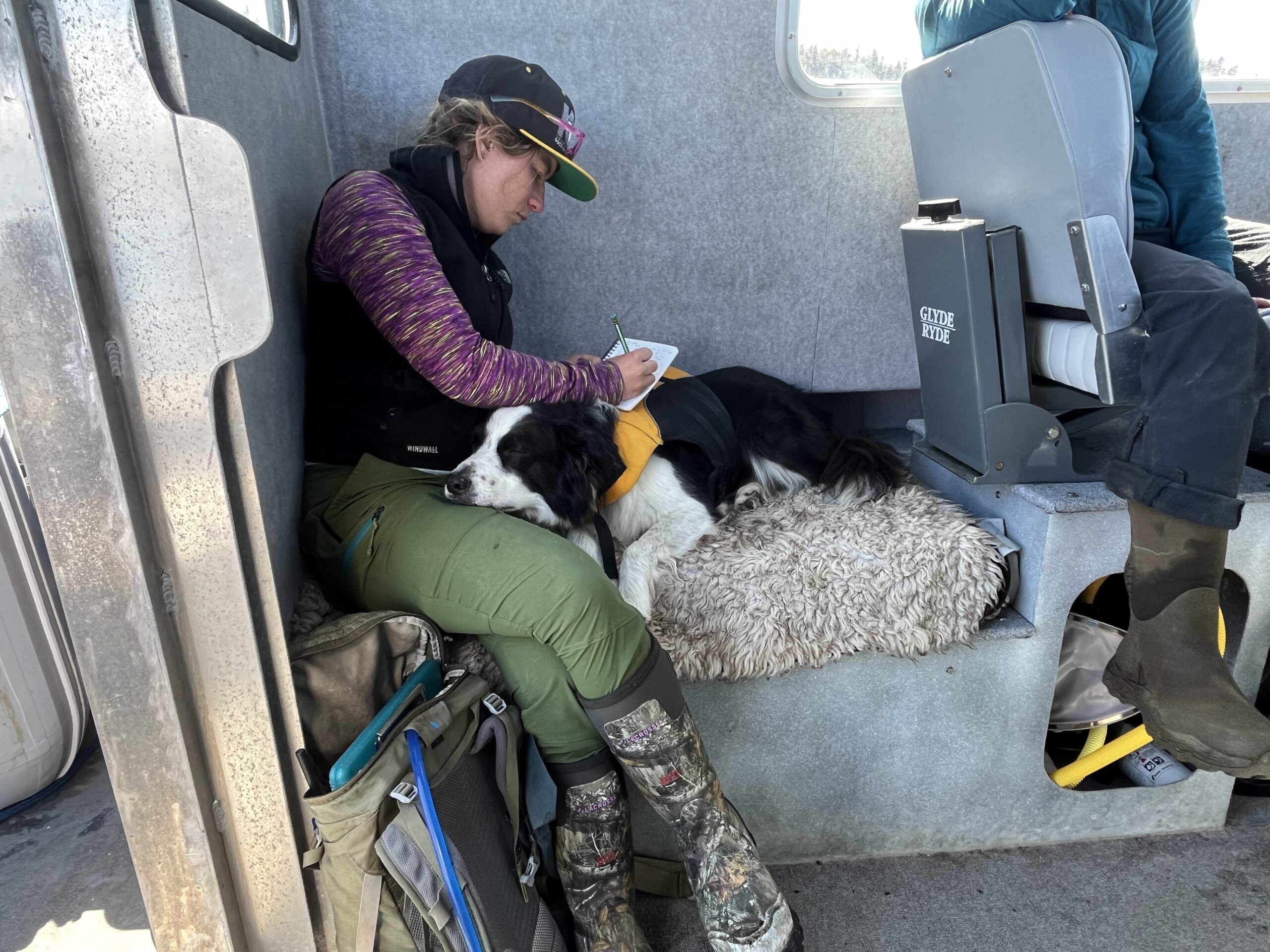
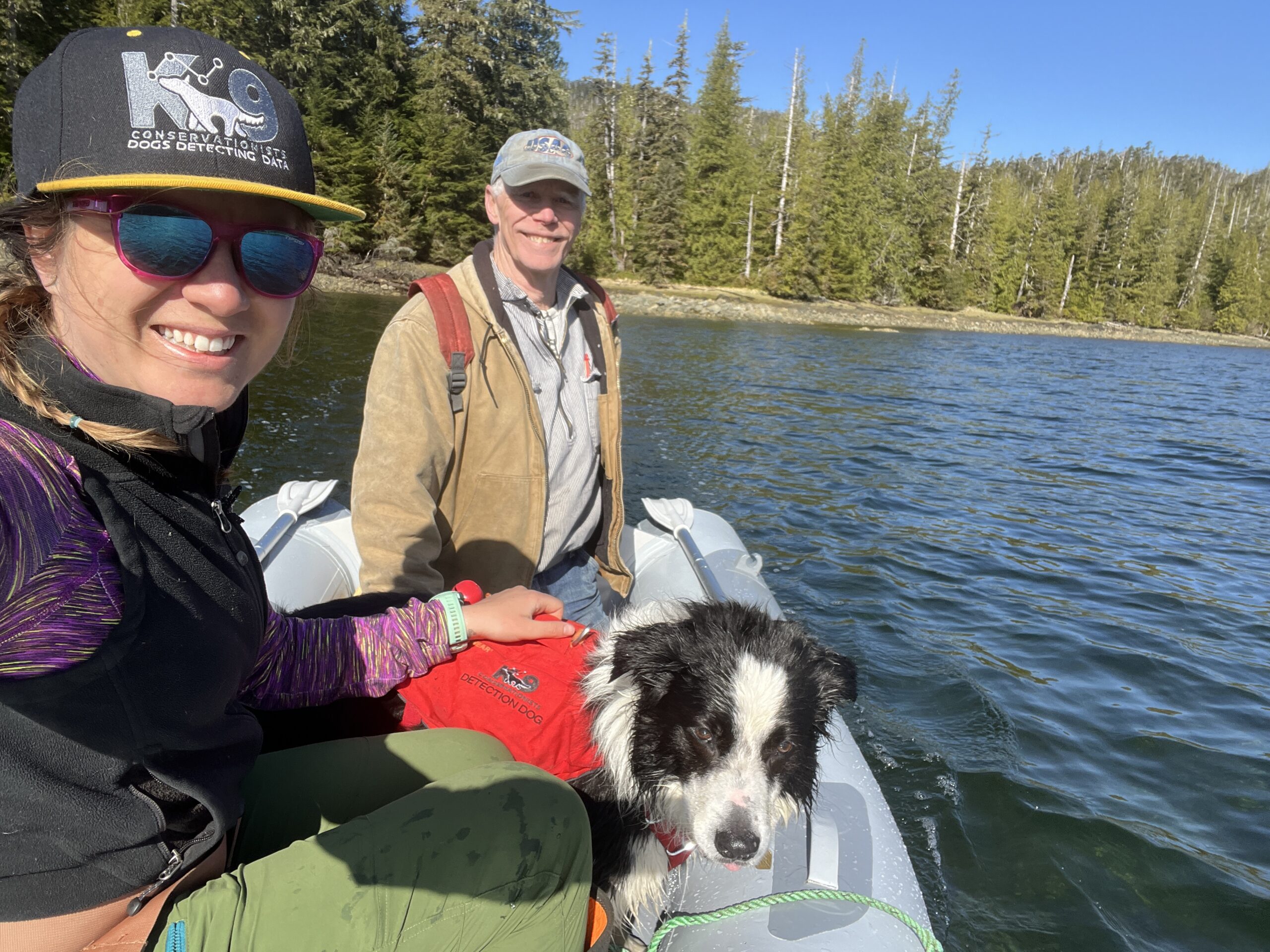
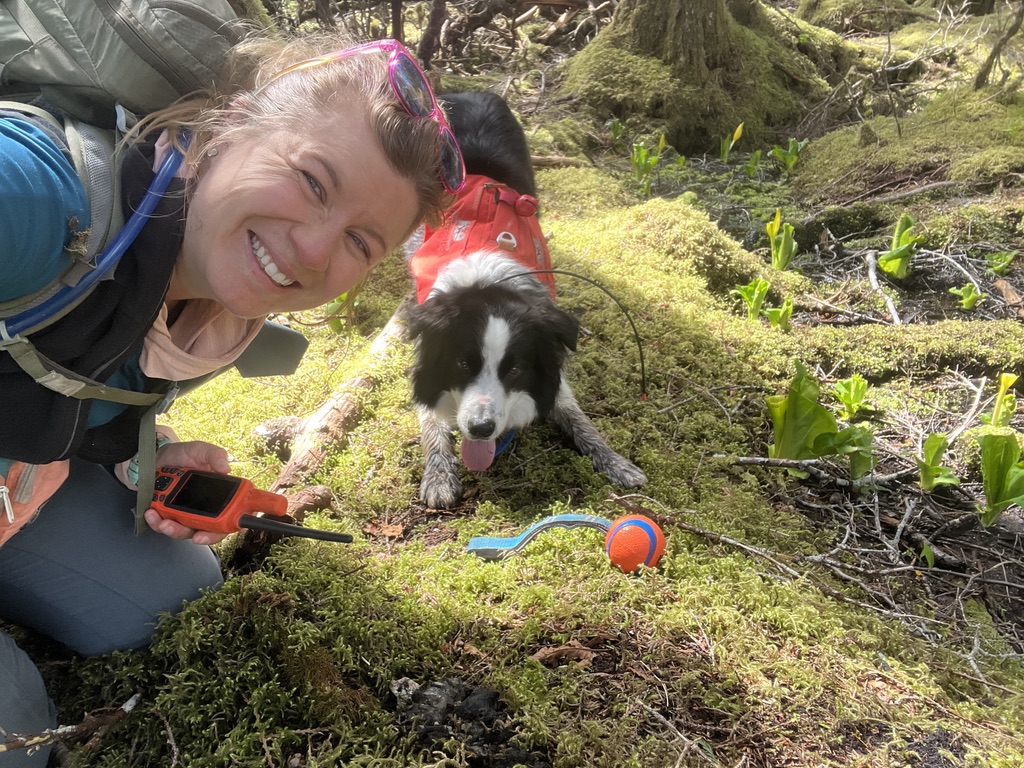
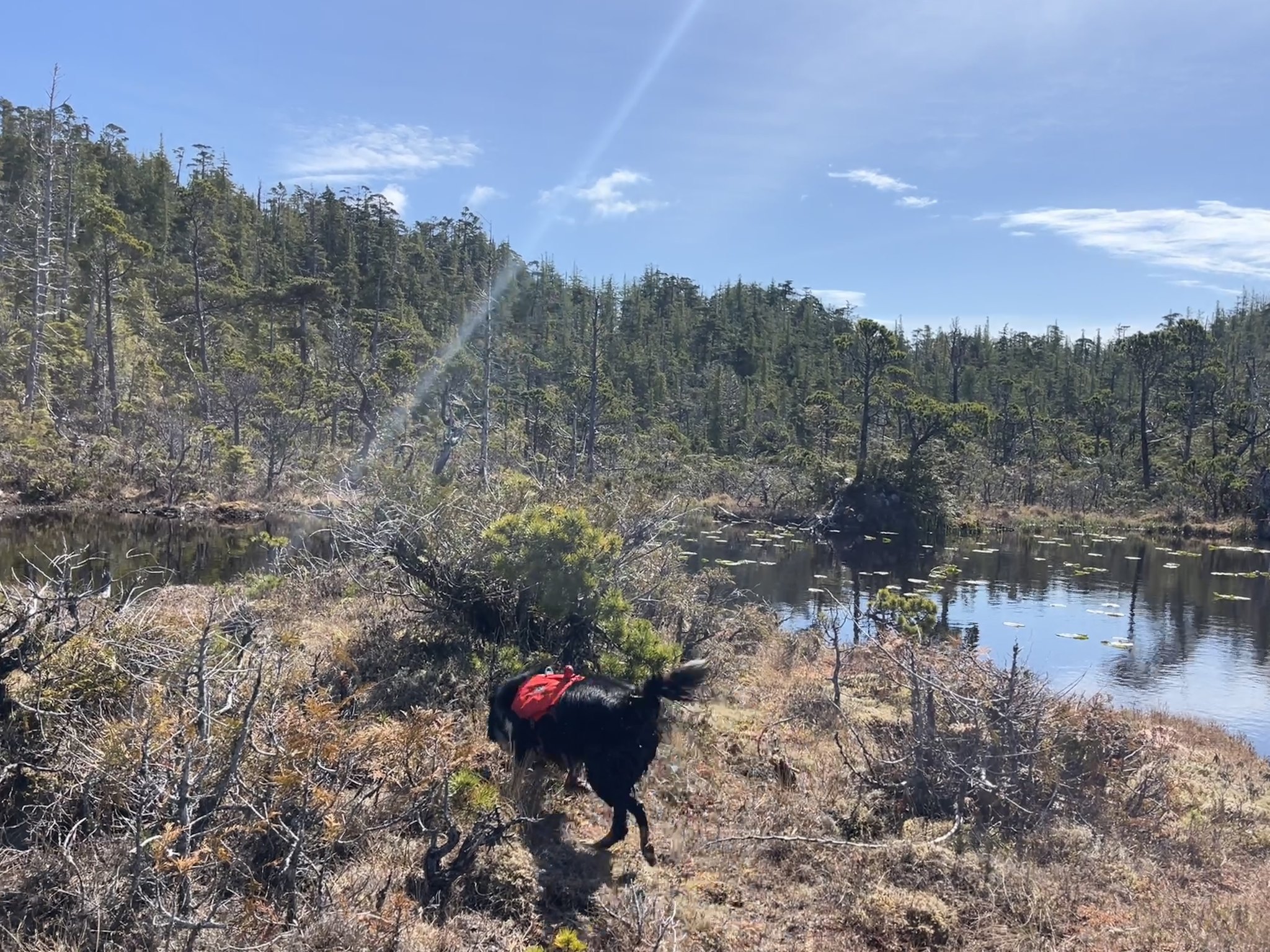
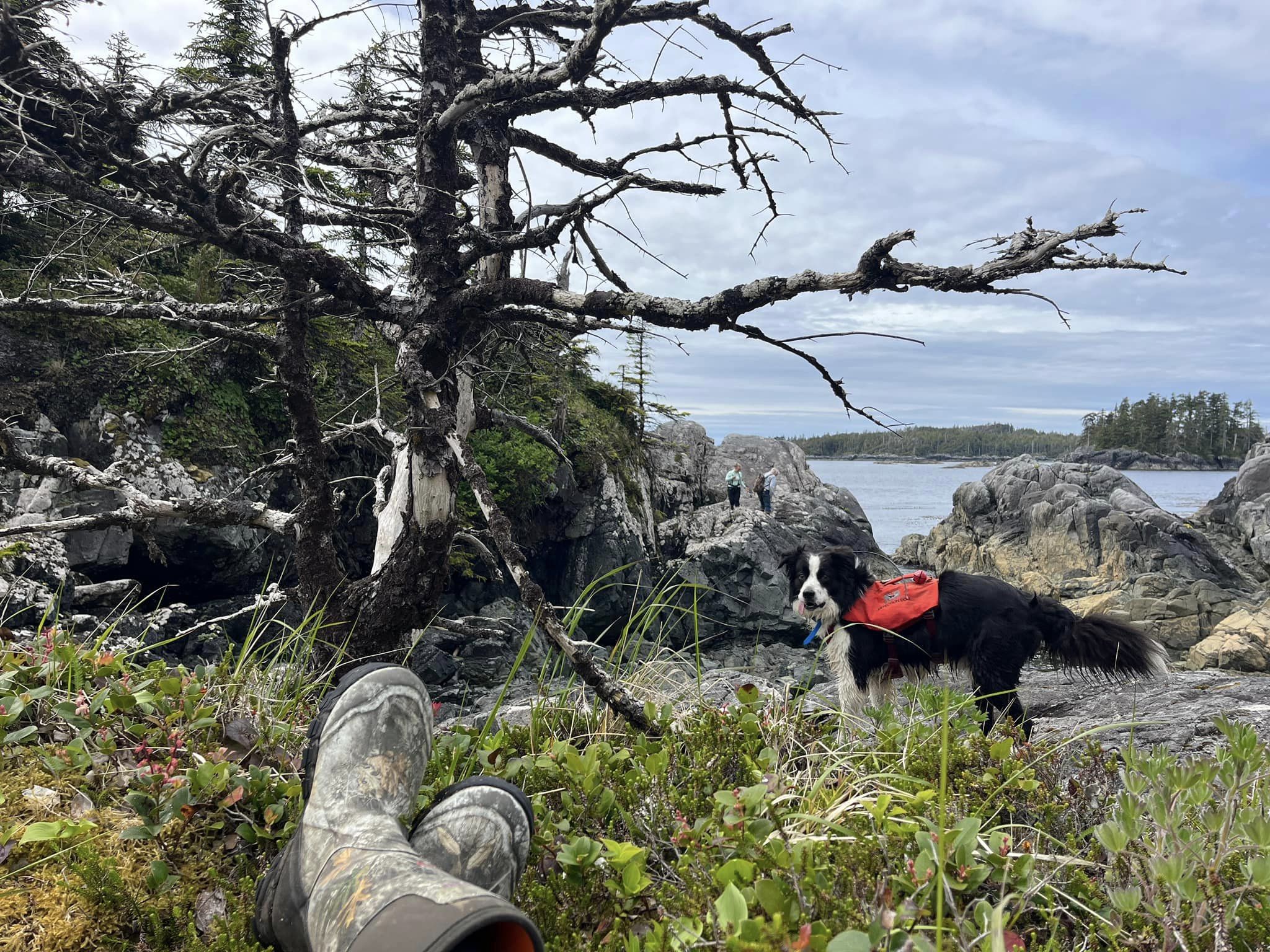
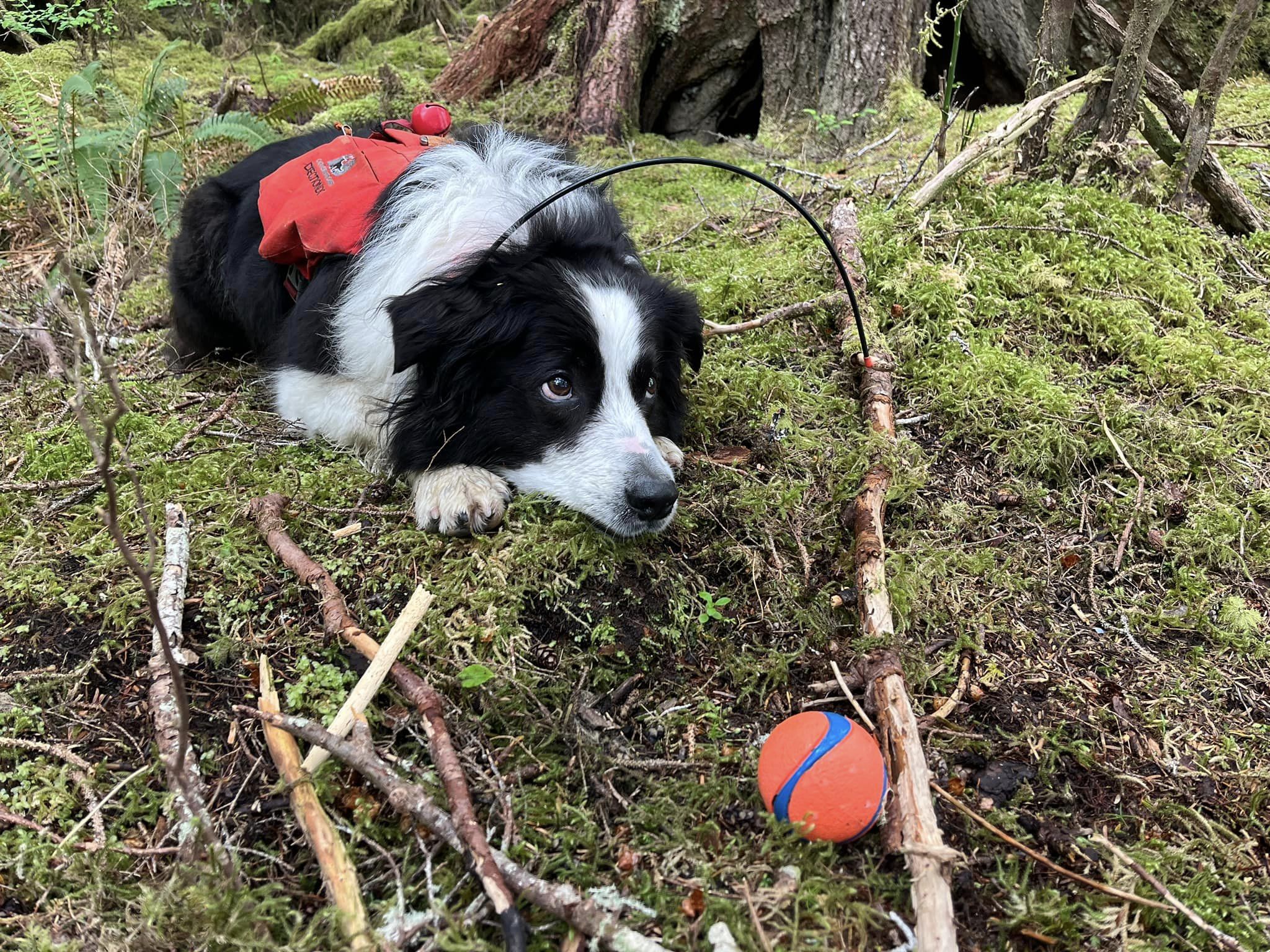
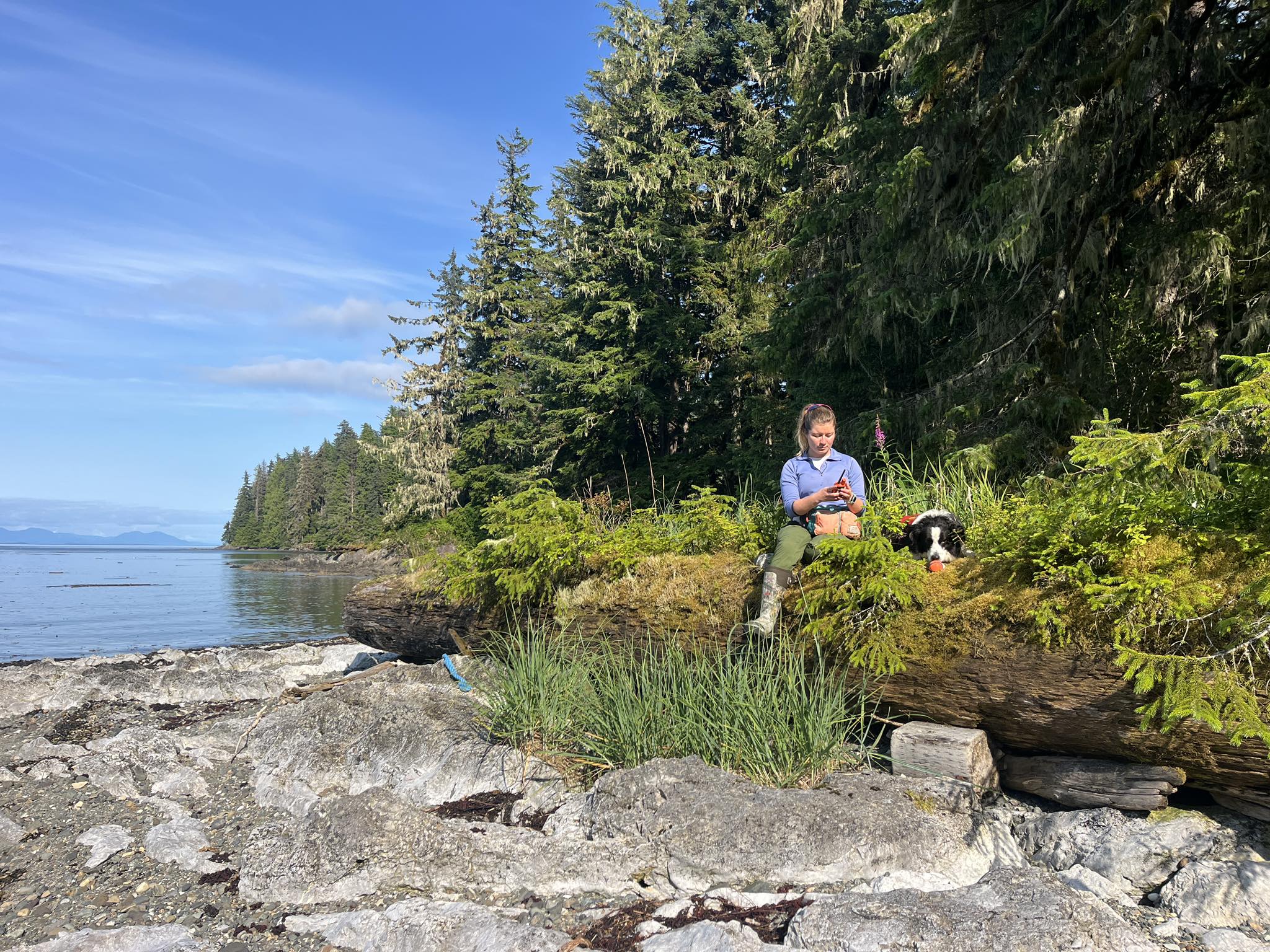
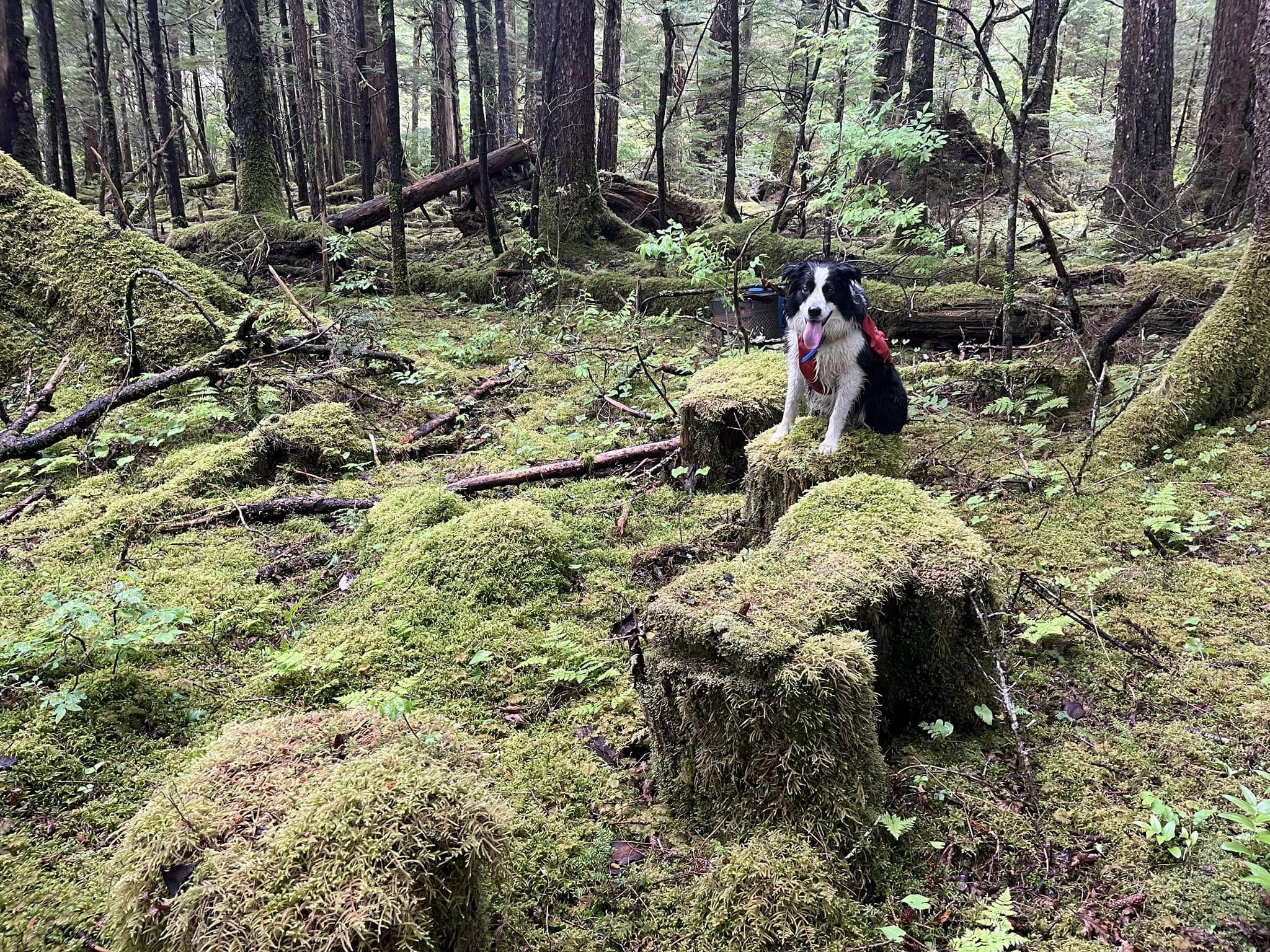
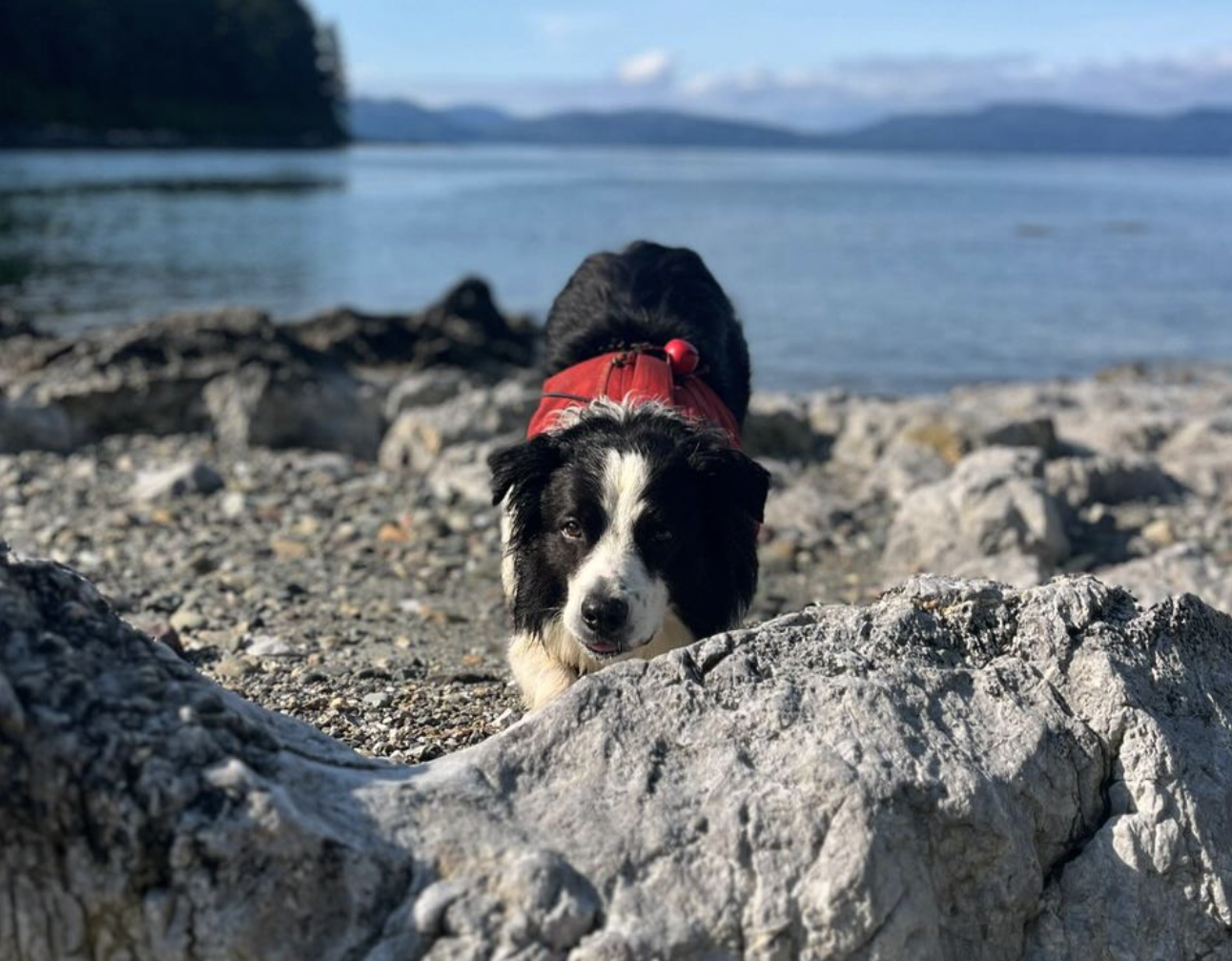
This project uses trained conservation detection dogs to locate wolf scat across Prince of Wales Island and surrounding areas, providing a non-invasive way to collect high-quality genetic data. Genetic analysis of scat allows researchers to identify individual wolves, estimate population size, assess genetic diversity, and better understand movement and connectivity among islands within the Alexander Archipelago. These insights are especially important in a fragmented island system where dispersal opportunities may be limited.
By improving detection rates and expanding the amount of usable genetic data available, conservation dogs help fill key data gaps that have historically constrained wolf monitoring in the region. This work supports more informed, transparent, and science-based management of Alaska’s wolf populations, while minimizing disturbance to animals and their habitat.



Related Media

Wildlife experts looks for new ways to count wolves in Alaska
Heard on All Things Considered and reported by Jack Darnell.
Click the NPR logo to listen.

Episode #197 Kayla Fratt - K9 Conservationists: Dogs Detecting Data
Heard on the Wolf Connection podcast. Click the photo to listen.

A dog on Prince of Wales Island is helping to conserve wolves by tracking their poop
Heard on KRBD Ketchikan Community Radio, reported by Jack Darnell. Click the photo to listen.