Painted Blades Study










Project Details
Early studies showed nearly a 72% decline in bird collisions at turbines with a single painted blade, inspiring larger‑scale research in the U.S.
Target odors include all bat and bird species, but especially: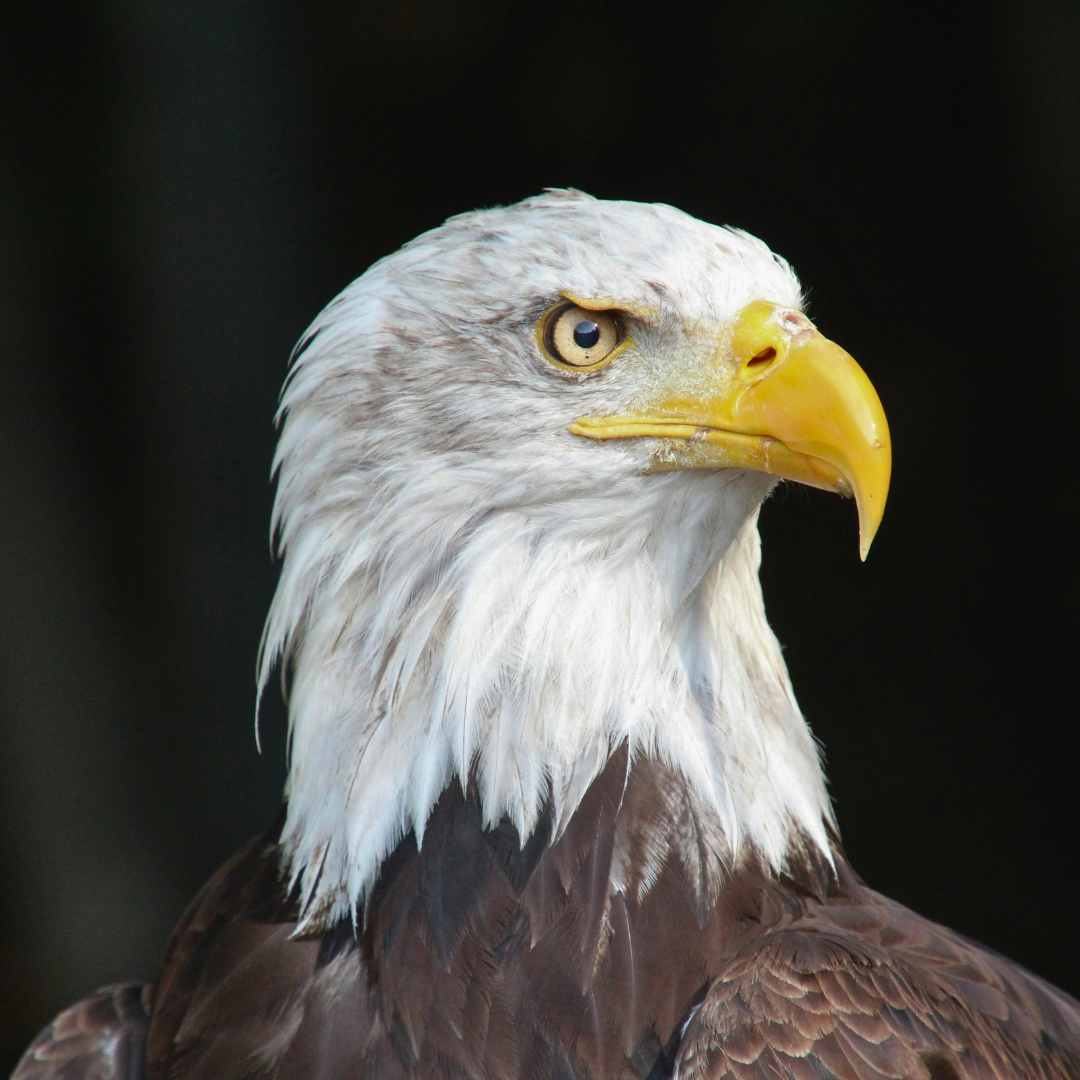
Bald eagle
Haliaeetus leucocephalus
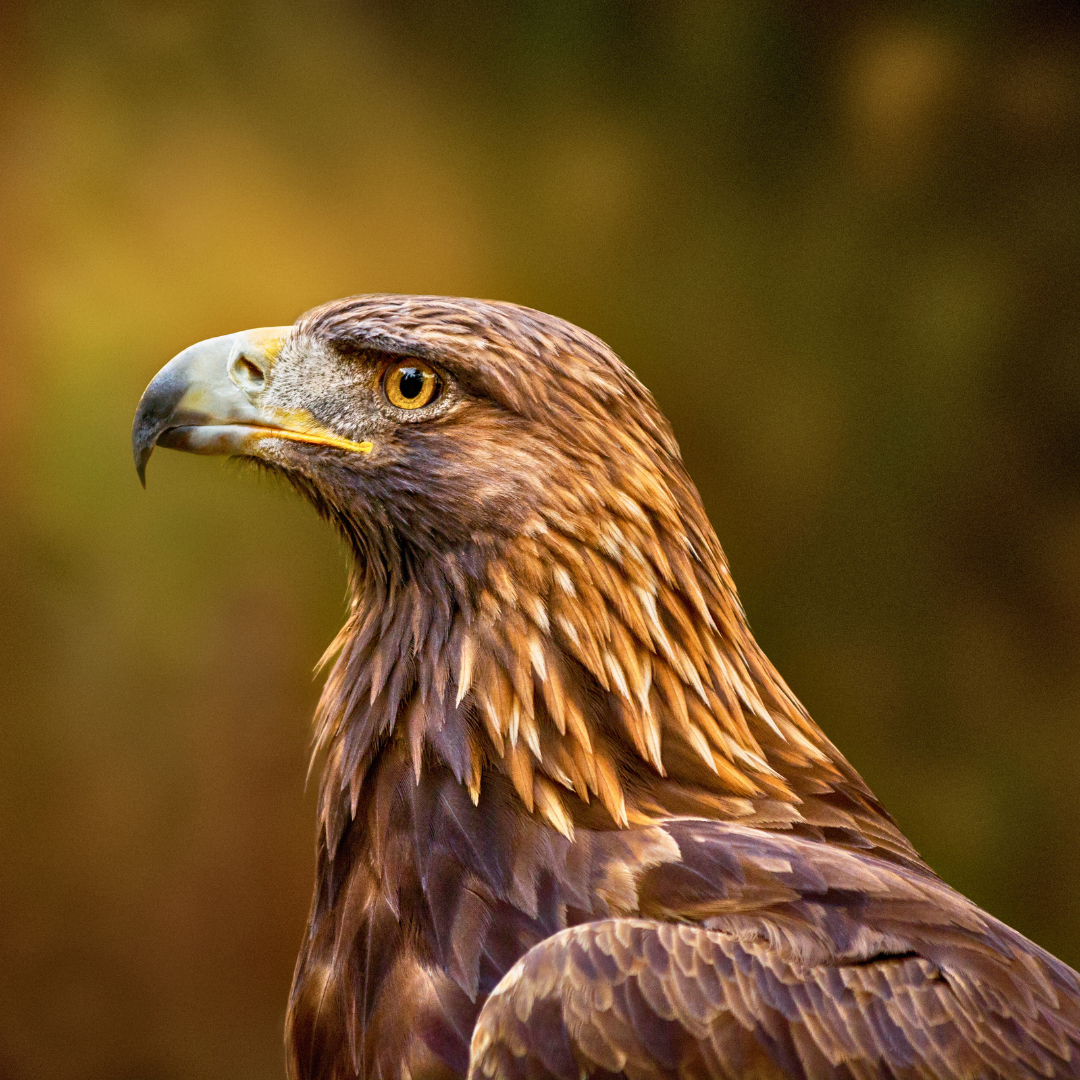
Golden eagle
Aquila chrysaetos
Project Overview
K9 Conservationists is participating in a large‑scale study to evaluate whether painting one rotor blade of a wind turbine black can reduce bird and bat fatalities at utility‑scale wind energy facilities. This research is being led by PacifiCorp in collaboration with the Renewable Energy Wildlife Institute, U.S. Geological Survey, and other partners to test an approach inspired by prior studies in Europe that showed large reductions in bird collisions with painted blades.
The study involves painting one blade black on 36 turbines at a wind facility in Wyoming and systematically surveying fatality rates for eagles, other daytime‑active birds, and bats. Experts hypothesize that the contrast created by the painted blade increases visibility, allowing birds to better perceive and avoid moving blades, while bats — which rely on different sensory cues — may show a different response.
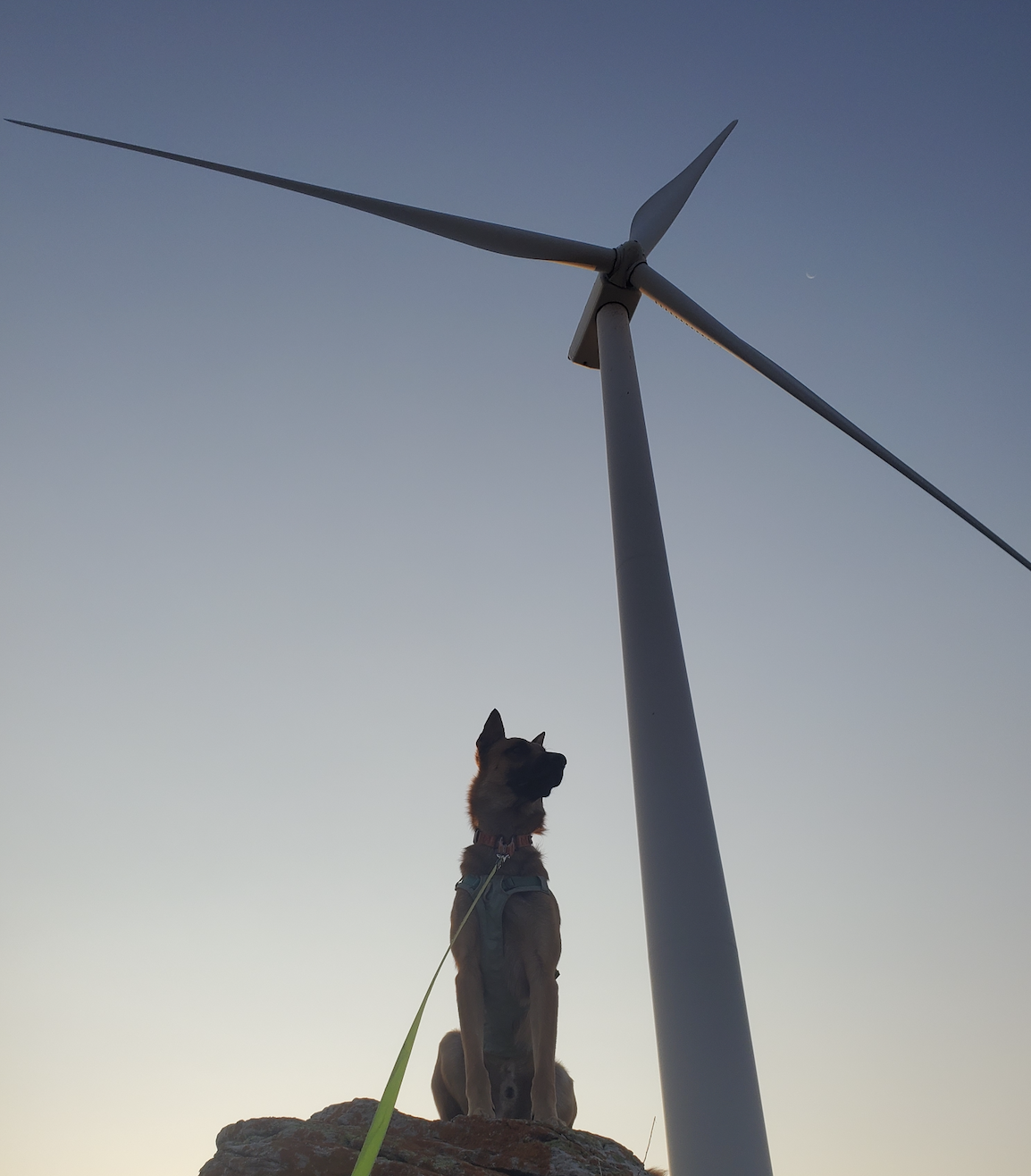
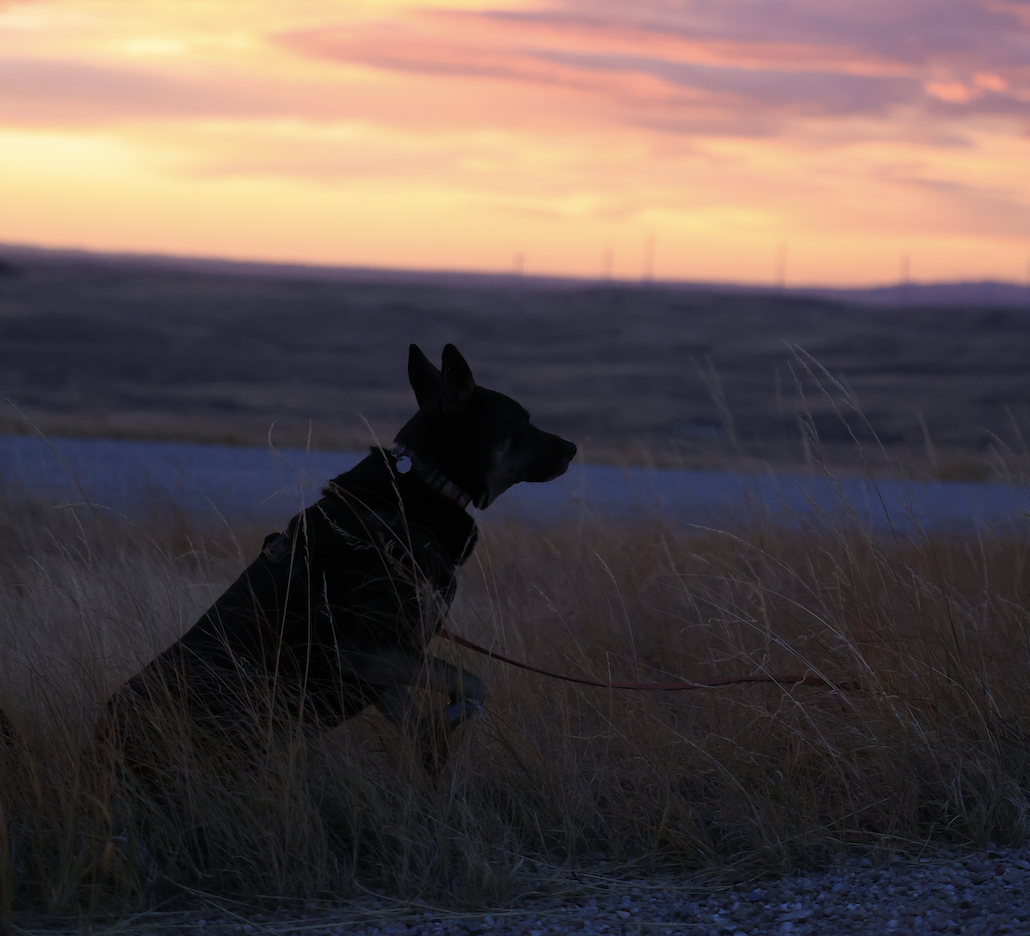
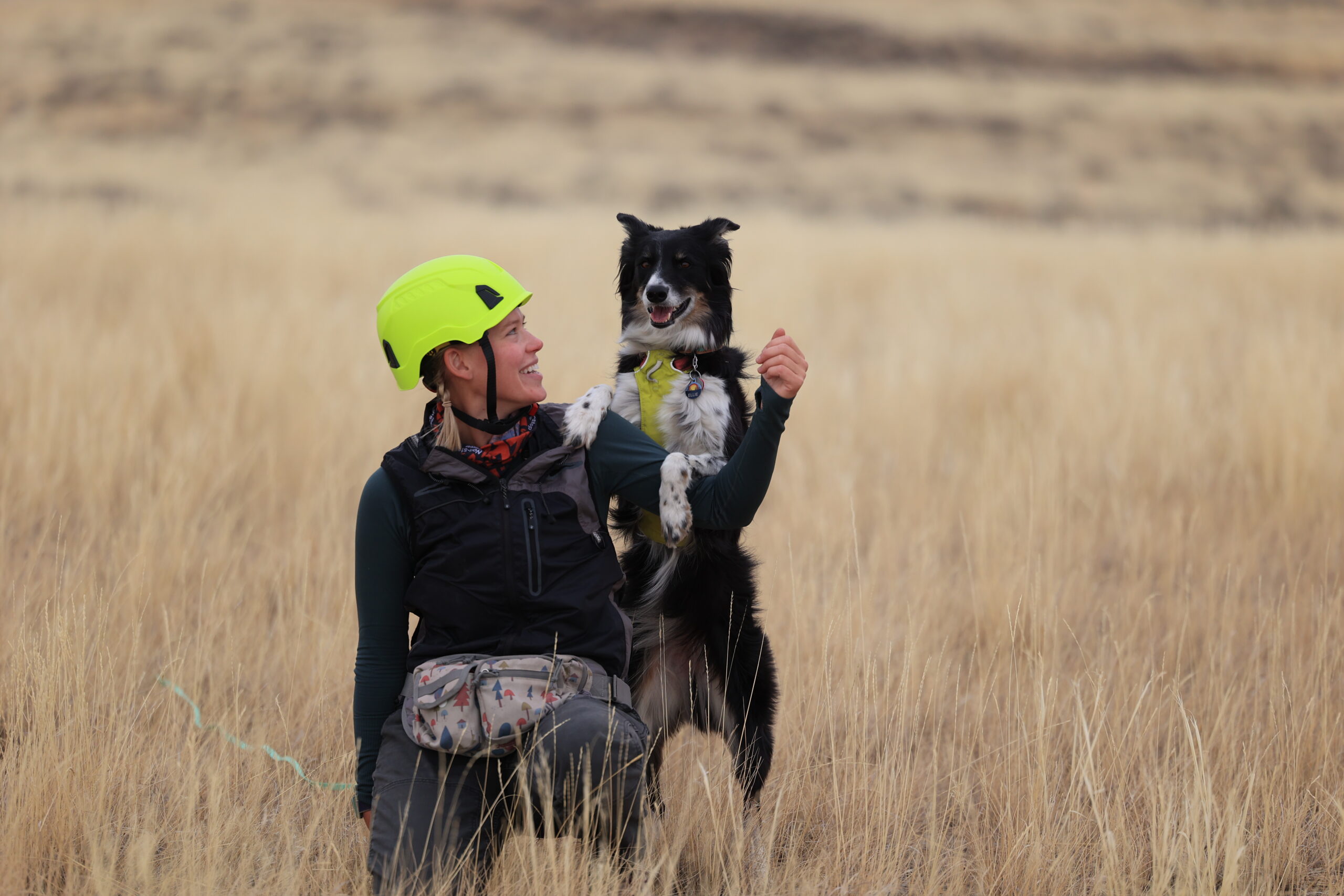
Conservation detection dogs help by conducting systematic carcass searches beneath turbines, improving data quality and consistency. This work aims to provide robust evidence about the effectiveness of painted blades as a low‑maintenance mitigation strategy that could meaningfully reduce wildlife mortality associated with wind energy, informing future practices that support coexistence between clean energy and wildlife conservation.
Related Media

Photo: Courtesy of PacifiCorp
Can Painting One Blade Black Help Birds Avoid Wind Turbines?
Since April 2023, a team in Glenrock, Wyoming has been hard at work painting one blade black on 36 different wind turbines to evaluate the effects of this strategy to reduce risks to birds flying near the wind turbines.

PacifiCorp moving forward with study on bird safety near wind turbines
PacifiCorp and its research partners are moving forward with a highly anticipated and ambitious study to evaluate the effects of painting a single wind turbine blade in black on 36 different turbines to reduce collision risks to birds flying near the wind turbines.