
From Texan cacti the size of almonds to rhinos roaming deep within the rainforests of Sumatra, dogs have proven effective at detecting species across the world and the taxonomic system. Here are 10 recent species that conservation detection dogs have helped study.
Geometric Tortoise
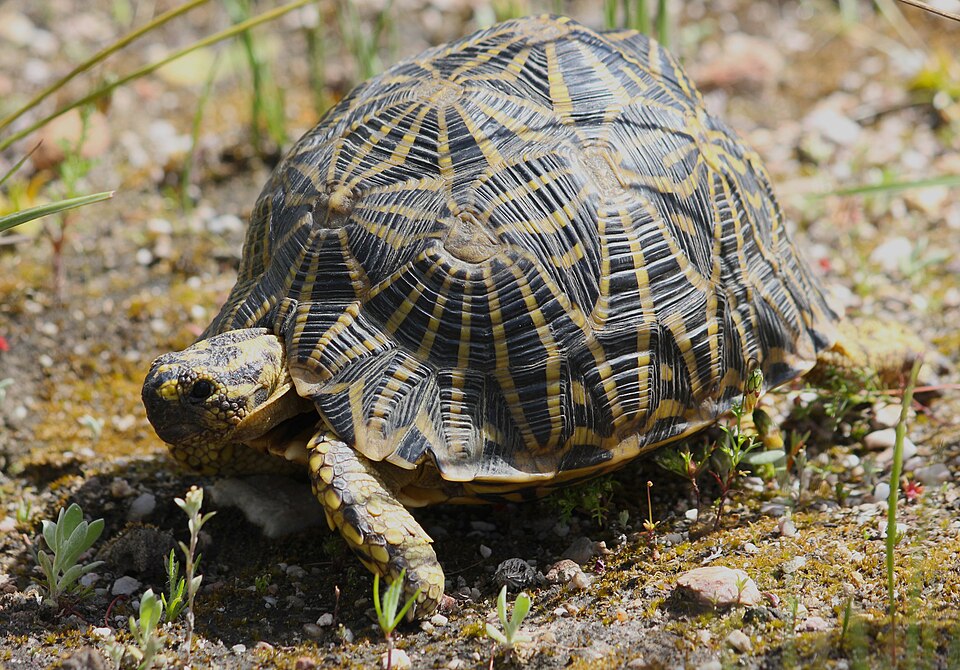
The geometric tortoise, native to the southwestern Cape Floristic region of South Africa’s Western Cape, is South Africa’s most endangered reptile species. It is best known for the star-like (geometric) yellow patterns on its black shell. The threats it faces include droughts and wildfires intensified by climate change, poaching that targets it and its food sources, invasive plant species, predation, and agricultural and urban expansion that fragments its habitat. The species’ already limited habitat has largely been reduced to nature reserves and small, scattered patches of private property. This leads to isolated populations and reduced genetic diversity. Approximately 1,500 geometric tortoises lived in the wild in the early 1990s, but only several hundred are estimated to remain. All of this indicates a need for holistic conservation approaches.
As part of the Endangered Wildlife Trust’s Drylands Strategic Conservation Landscape with trainer Esther Matthew, border collies Delta and Dash have been trained to detect three endangered tortoise species across the Western and Northern Cape provinces. Among these is the geometric tortoise. The dogs have proven especially skilled at finding hatchlings and juveniles that humans easily miss. With each detection, researchers track critical data such as the tortoise’s measurements, weight, location, health, and population demographics. However, detection dogs are not alone in the fight. The Endangered Wildlife Trust is also implementing strategies such as collaboration with landowners to protect habitat on private property, community engagement, wildlife corridors to connect fragmented populations, and sustainable land use advocacy. This demonstrates not only the efficacy of combining multiple methods, but the importance of engaging the human communities affected by wildlife conservation.
Lloyd’s Mariposa Cactus

Lloyd’s mariposa cactus is a threatened species native to the Chihuahuan Desert shrublands of southwest Texas and the Mexican states of Coahuila and Nuevo León. It grows on gravelly and rocky slopes. It is roughly the size of an almond or slightly larger, and is so covered in spines that its blue-green stem is barely visible. In addition to environmental degradation and overgrazing, it has been threatened by overharvesting for private collections, likely because of its cute appearance. Though harvesting the species is now illegal, Lloyd’s mariposa cactus poses a unique challenge. Its adorable size, which can make it vulnerable to harvesting, also makes it hard for humans to find and study by sight. For this reason, teams from Working Dogs for Conservation have been deployed on this novel project to search west Texas. This project is in collaboration with the Texas Parks and Wildlife Department and the Conservation License Plate Program.
Part of this work is to learn more about the complexities associated with this unique target. The dogs are working at different times of year, including when the plant is flowering, to get a full “scent picture” to best understand future applications for conservation dogs to be deployed. The ultimate goal of this work is to help researchers map previously unknown populations, which can inform conservation decisions. All in all, this project demonstrates the value and unique skillset of conservation dogs in search of tiny, elusive, and rare species.
Alexander Archipelago Wolf
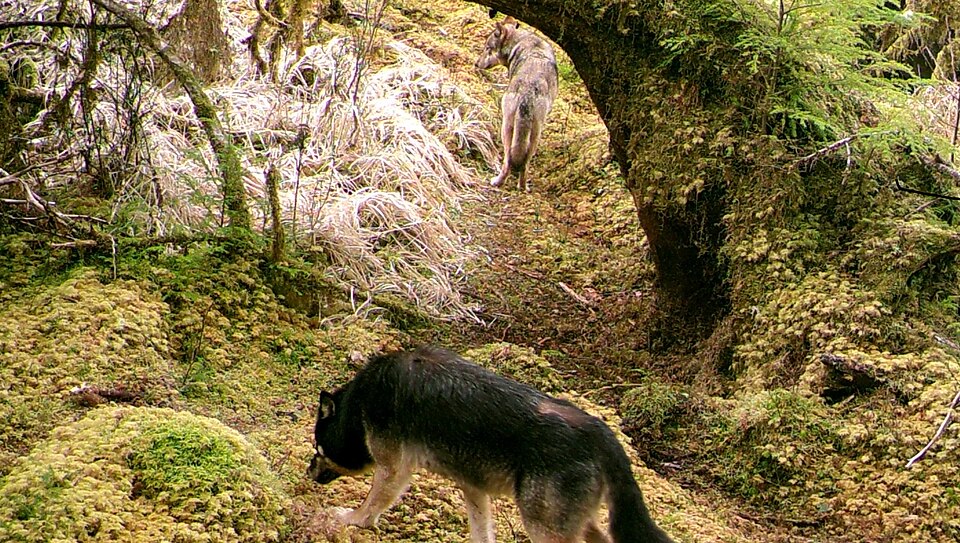
For her PhD project, K9 Conservationists co-founder Kayla Fratt trained dogs Barley, Niffler, Tooma, and Skipper to detect wolf scat in the Alexander Archipelago of the Tongass National Forest in southeastern Alaska. The project, which began in 2024 with plans to continue through the 2026 field season, aims to estimate the occupancy of the aptly named Alexander Archipelago Wolf and its prey species throughout the islands. The purpose is to help the Alaska Department of Fish and Game better understand this subspecies’ population dynamics and develop healthy hunting quotas. While other projects have studied wolves, this is the first time that detection dogs have been used to locate Canis lupus ligoni.
This project builds on ongoing research using hairboards. These wooden planks are wrapped in barbed wire and baited with a smelly goo that entices wolves to roll on them and leave hair samples. Checking the hairboards is time-consuming and the genetic samples can be compromised if multiple wolves roll and leave hair between checks. Finally, it is possible that some wolves (transient wolves or young females, for example) use the hairboards less often than other groups (territorial males, for example). While statistical methods can account for these differences, Kayla and the dogs are part of the next step.
In the first field season alone, Kayla and Barley found approximately 780 targets, which Kayla analyzed using next-generation sequencing (NGS) to identify individual wolves. Individual identification helps estimate populations and track movement patterns across islands. The 2025 team, which included two novice dogs, yielded an additional 650 samples. So far in 2026, with a month of surveys left, the team has located 1,024!
DeWinton’s Golden Mole
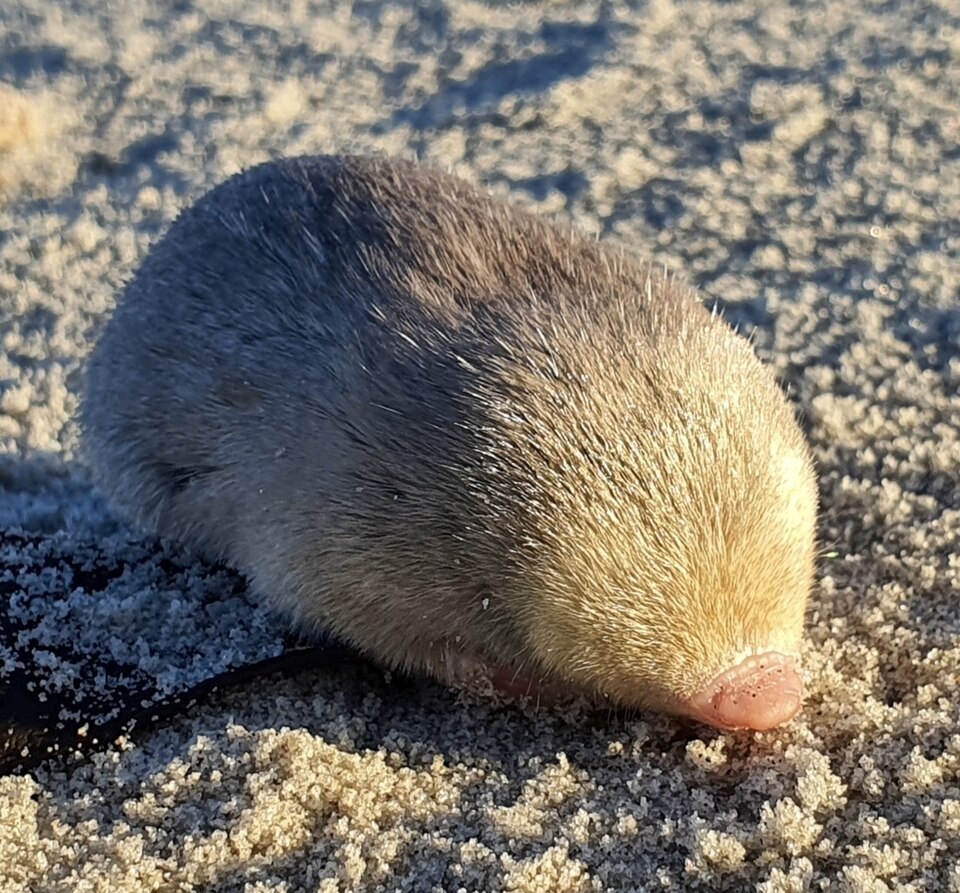
In a 2023 paper, researchers announced the 2021 rediscovery of a lost species. Detection dogs played a vital role.
DeWinton’s golden mole, a small mammal native to dune environments and sandy shores in South Africa, had not been seen in over 86 years. Golden moles in general are elusive, often spending their entire lives underground. Though some species surface occasionally to forage, mainly at night, their presence is most detectable by the ridges their tunnels form on the ground. When the substrate is soft, these tunnels often collapse. This makes the ridges harder to spot. Species such as DeWinton’s often occur in areas where this problem is pronounced. The lack of DeWinton’s sightings since 1937, coupled with the impacts of mining and other activities on the species’ habitat, led many to believe it extinct. Luckily, the Endangered Wildlife Trust’s Drylands Strategic Conservation Landscape received funding from Re:wild to send a team to search for the species.
A 2020 pilot study at Lambert’s Bay trialled the use of thermal imaging drones, eDNA, and a scent detection dog. The drones were promising, but the dog and eDNA proved most effective. The dog excelled at detecting golden mole burrows while eDNA identified species. In July of the following year, a team of four people, including Esther Matthew and a border collie named Jessie, began an expedition along the west coast towards Port Nolloth. Because no DeWinton’s samples were available, Jessie was trained on one of the area’s more common golden mole species, Grant’s golden mole. The team surveyed an average of 18 km of dune habitat per day on foot. When prominent golden mole tracks were found at one location and Jessie didn’t indicate or show interest compared to other areas, the team of researchers immediately suspected another species. Soil samples were collected, and eDNA analysis of the samples confirmed the presence of DeWinton’s golden mole.
Evidence collected by the team across multiple sites suggested that the species is more widespread than previously thought. Golden mole activity was especially abundant near the historical site, likely indicating a healthy population. The Endangered Wildlife Trust is now working towards improved habitat protection at all sites with confirmed DeWinton’s presence, and more detection dogs are now being trained to assist research teams in conducting further surveys on more Golden mole species across South Africa. The rediscovery of this species is further discussed in a 2025 K9 Conservationists article, and a 2024 episode of the K9 Conservationists podcast.
Murray-Darling Carpet Python
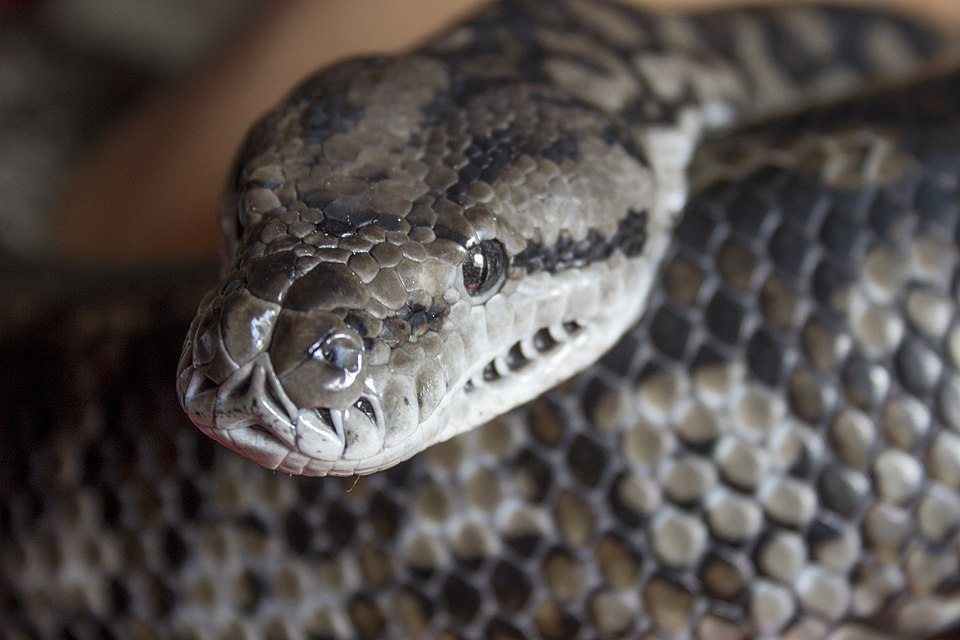
The Murray-Darling carpet python is recognizable by the striking black and silver patterns on its back. It is semi-arboreal, typically living along river margins, in the hollows of large river red gums, and even in the corners of man-made structures. The species was once widespread throughout southeast Australia, but due to habitat loss, habitat fragmentation, poaching, and predation, it is now federally protected and classified as rare. Furthermore, researchers struggle to study the species because of its shy, cryptic nature. For this reason, the Murraylands and Riverland Landscape Board (MRLB) has partnered with Skylos Ecology and Animals Anonymous to test the effectiveness of python detection dogs.
In spring of 2025, Skylos Ecology put Oakley and Rex, their two most experienced dogs, to the test. They were trained on captive-bred pythons kept by wildlife educators at Animals Anonymous. The dogs would normally drop and point to indicate a target, but this could frighten the pythons and cause them to lash out. Instead, the dogs learned to pop between their handlers’ legs. This demonstrates the importance of adapting projects to the target species.
Oakley and Rex confidently detected the pythons during blind trials. The team is optimistic for the project’s continuation, and for future conservation implications. Further trials are planned for late 2025 when the weather warms again in the region.
Tea-tree Fingers Fungus
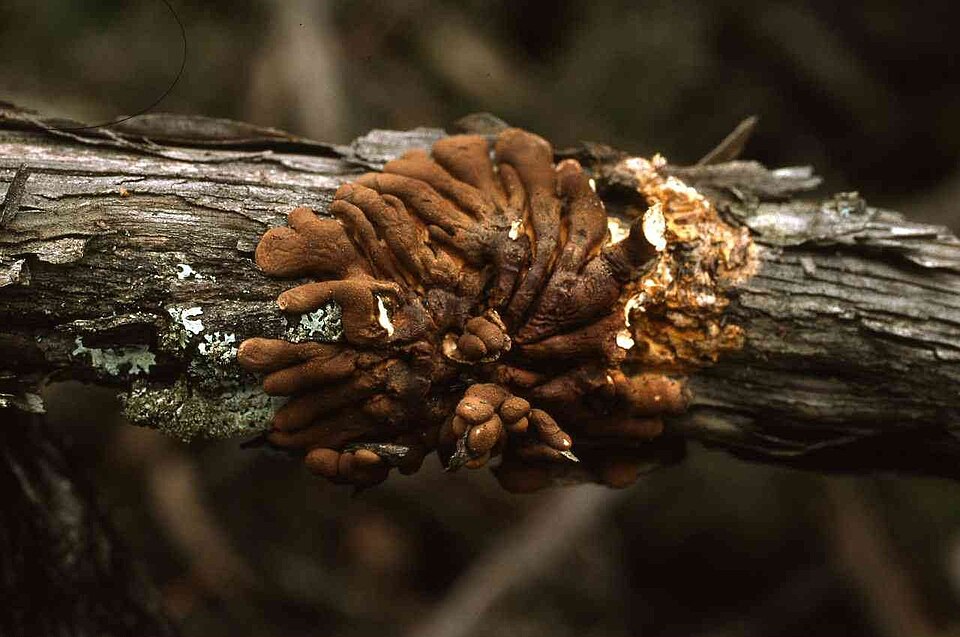
Tea-tree fingers fungus is a critically endangered species native to southeastern Australia, parts of New Zealand, and possibly parts of Tasmania. It is found in heaths, heathy woodlands, tea-tree thickets, and lowland forests with dense understory that have remained unburnt for at least 35 years. It is small and brown with irregular, finger-like outgrowths. As a mycoparasite, it relies on other fungi, namely wood-rot fungi, to parasitize. Its already limited range has been further restricted by habitat loss and fragmentation, largely due to wildfires and drying caused by a warming climate. This indicates a need for targeted conservation efforts. However, collecting data to inform such efforts has proved challenging.
Conventional survey methods such as camera traps and auditory sensors do not work for species like tea-tree fingers, which is immobile, noiseless, small, camouflaged, and rare. For this reason, a 2024 study compared the efficacy of a detection dog to that of an experienced human searcher for finding the species. Based on the dog’s behavior during training, researchers suspected that tea-tree fingers had low volatility, meaning a low concentration of odor-emitting organic compounds. Additionally, scents of host species were present in the training samples. Still, the dog found more targets faster, with fewer false negatives, and with less visible stress to the habitat. On the other hand, the human searcher found imprints called “scars” that indicated past tea-tree fingers presence while the dog did not. Furthermore, the combined accuracy rate of the dog team and human searcher was 95%. This suggests that a combination of both methods is most effective. A 2025 K9 Conservationists podcast episode goes into more depth about tea-tree fingers fungus and this study.
Condamine Earless Dragon
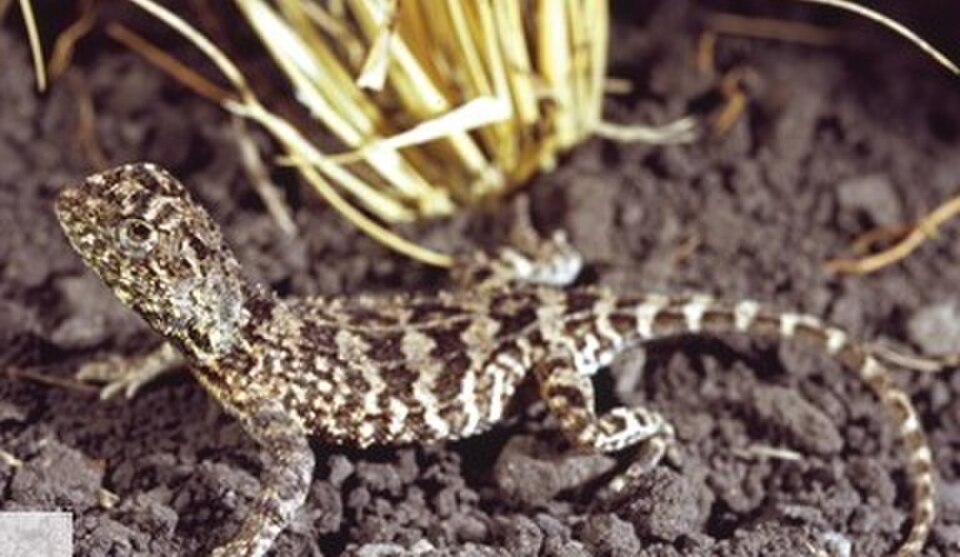
Earless dragons compose the Tympanocryptis genus of Australian agamid lizards. Both their common name and genus name stem from the fact that they lack an internal ear structure, and the tympanum, or ear drum, is obscured by scales. The Condamine Earless Dragon is a small, endangered species that lives only in Queensland, Australia’s Condamine floodplain and surrounding areas. This region has been highly modified by agricultural, road, and railway activity. This has left the species scattered throughout fragments of less-than-ideal habitat. Additional threats include roadkill incidents and predation by invasive species such as cats and foxes.
In 2016, the Australian government’s Threatened Species Scientific Committee published a Conservation Advice with the goal of increasing the abundance and quality of Condamine Earless Dragon habitat. In 2024, researchers at the University of Queensland began monitoring the behavior of the dragons and their predators using remote cameras, ink pads, and of course, detection dogs.
Funded by a Community Sustainability Action Grant from the Queensland government, researchers partnered with Dr. Megan Barnes of Detection for Good, a Western Australia-based organization of detection dog teams, to train black lab Evie on the species. The goal was to determine factors that shape habitat suitability for the species. Throughout multiple surveys, Evie found dragons that human-only search teams missed, including individuals in cracks up to 10 cm deep, under grass layers in road verge habitats, and that were otherwise visually obscured. On the other hand, Evie missed some dragons that human-only teams found while conducting vehicle surveys. This suggests that detection dog and vehicle surveys work well as complementary methods.
As of December 2024, a total of 52 surveys had been conducted and 98 dragons found. Researchers learned how various ecological factors, including rain and soggy terrain, affected the dragons’ behavior. When consistent rains in November rendered some survey sites inaccessible, they collaborated with other researchers who were radiotracking dragons to gain information. This demonstrates not only the efficacy of detection dogs, but the importance of combining multiple data sources for the fullest possible results.
Tasmanian Masked Owl
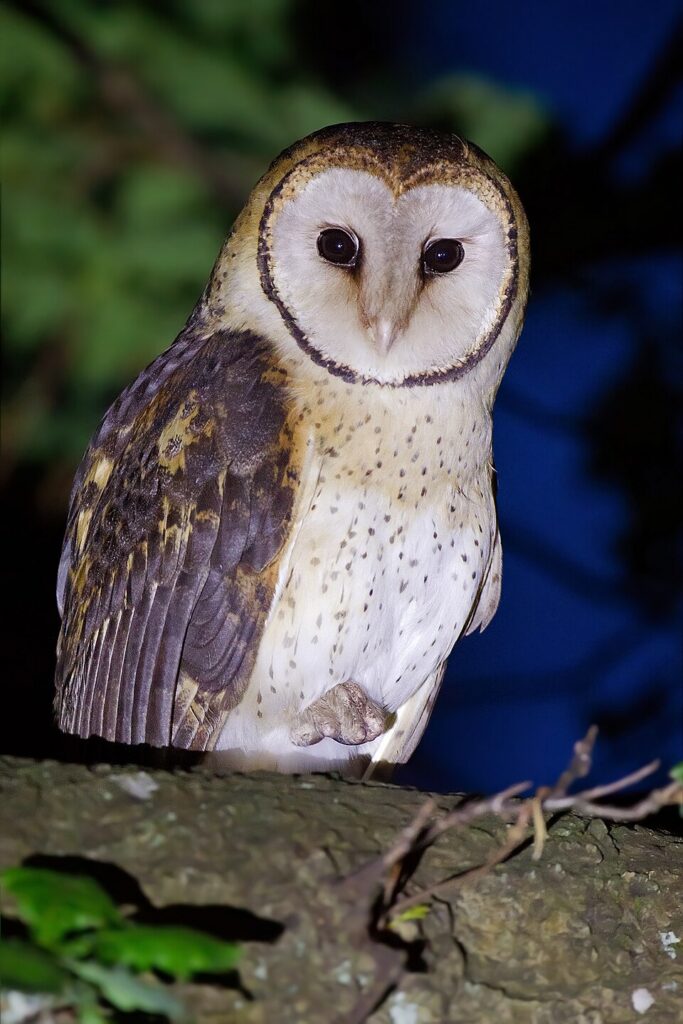
The Tasmanian masked owl is a subspecies of masked owl that appears in forests, woodlands, and some agricultural areas in Tasmania. It is distinguishable by its cream or tawny-colored, mask-like face and husky, screeching call. It is listed as endangered under Tasmania’s Threatened Species Protection Act 1995. Masked owls as a whole are listed as vulnerable under Australia’s Environmental Protection and Biodiversity Conservation Act 1999.
Primary threats to the subspecies include loss of and competition for nesting, roosting, and foraging sites, as well as secondary poisoning through consumption of poisoned rodents. Traditional forest owl detection methods such as spotlighting, call playback, and acoustic monitoring have often achieved limited success. This is largely due to the subspecies’ nocturnal and elusive nature, rarity, low population density, and mobility across large ranges. This makes data collection for the purpose of habitat conservation difficult. Luckily, detection dogs can help meet this challenge.
In a 2024 study, researchers compared the efficacy of a detection dog team to that of an experienced ecologist for locating Tasmanian masked owl pellets. The dog was a one year old springer spaniel/border collie named Zorro. Zorro had limited field experience, but targeted support from the Australian National University Difficult Bird Research Group, as well as training and advice from the University of the Sunshine Coast’s Detection Dogs for Conservation program.
In an experimental trial, the combined efficiency of the dog team was 4.5 times greater than that of the ecologist. The team took half as long to complete the search and found 89% of pellets compared to 40%. No pellets were found during a small pilot survey of potential masked owl habitat. However, when searching areas with recent owl sightings, the team found many pellets suitable for DNA analysis and extraction of data such as presence/absence, diet, health, population demographics, and environmental health indicators. The study suggests that even relatively inexperienced dog teams are more efficient than human searchers alone.
All in all, the results indicate that dogs can be highly effective in combination with other methods, such as call playback or passive acoustic monitoring, to help determine where masked owls may be hiding. They could be particularly useful if researchers are seeking to collect larger quantities of pellets for further analysis. This study demonstrates the value of integrating detection dogs to improve conservation outcomes, especially for elusive species.
Natterjack Toad
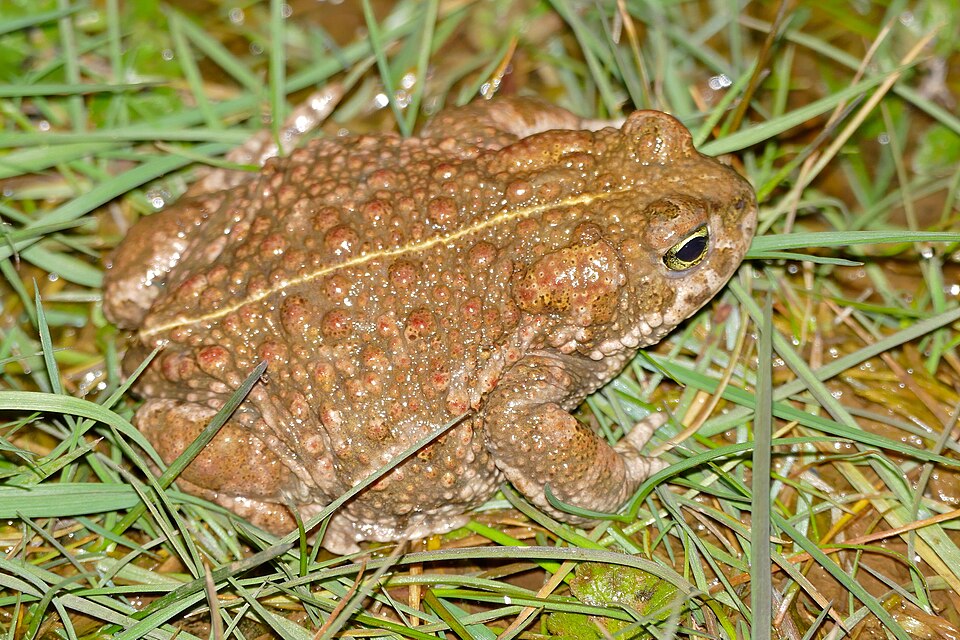
The natterjack toad is an endangered species found primarily in sandy and heathland areas across western Europe. It can also be found in man-made habitats such as military training grounds and mining areas. The yellow stripe down its back, along with its short legs and parallel paratoid glands, give it a distinct appearance. Its population continues a century-long trend of decline as a result of habitat loss. This indicates a need for more effective conservation measures.
A 2025 study compared the use of artificial cover boards (boards of varying materials that attract reptiles and amphibians by providing shelter) and detection dogs as methods of studying the natterjack toad. Four dogs were trained for the project. These were a female German shepherd–Harz fox mix, a female Australian cattle dog, a male Australian cattle dog mix, and a male border collie. All were privately owned with varying ages and experience levels. Researchers placed 40 black rubber cover boards across the sample area, and trained four dogs on natterjack toad samples.
With sensitivity rates between 76% and 100%, dogs outperformed cover boards overall, though the boards were still effective. Dogs especially excelled at finding juvenile toads, and working in densely vegetated environments. The main factors impacting detection were wind conditions and dog behavior. Detection rates were highest when just enough wind was present to carry scents without blowing them everywhere and distorting them. Additionally, dogs and handlers functioned best with strong pre-existing foundations in detection training.
The study concluded that for future projects, detection methods should be selected based on search area. Dogs were best equipped to cover large areas in short time spans, especially when dense vegetation was present. All in all, the ability of dogs to find small, burrowed, and cryptic individuals has major implications for the future of amphibian conservation. A K9 Conservationists Science Saturday article further explores this idea.
Sumatran Rhino
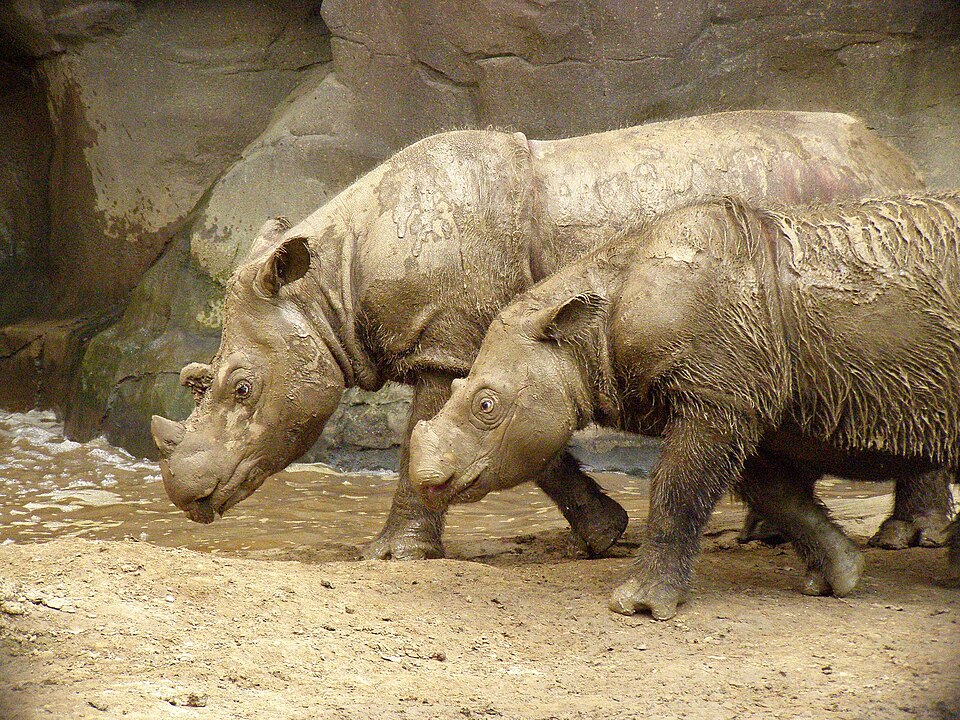
The Sumatran rhino is the smallest living rhinoceros species, and the only Asian rhinoceros with two horns. Known for its woolly hair, especially as a calf, it is more closely related to the extinct Coelodonta genus of woolly rhinos than to any living species. Today, it has many threats, including habitat loss and fragmentation. It is estimated only 34-47 individuals exist in the wilds of Indonesia. The species’ reclusive behavior makes it nearly impossible to study, with data collection methods such as camera traps, drones, and human searchers all having limited success. This requires scientists to think outside the box – and where conservation dogs can help.
In the summer of 2025, male black labrador retriever Yagi and female cocker spaniel Quinn of Working Dogs for Conservation, a Montana-based nonprofit, were enlisted to search for an unknown wild population of Sumatran rhino in Indonesia. This project was conducted in collaboration with the International Rhino Foundation, Yayasan Badak Indonesia, and the Indonesian Ministry of Forestry. When Yagi and Quinn arrived with their handlers, they were trained on scat samples of captive rhinos from the park’s Sumatran Rhino Sanctuary. For the next training phase, they took daily walks through the search area to acclimate. On their second day of official searching, Yagi found what seemed to be a pile of rhino scat. Later that day, Quinn exhibited behavior that suggested the recent presence of a rhino. A preliminary DNA test indicated that the scat belonged to a Sumatran rhino.
Additional tests are still underway for genetic details, and any newly identified wild Sumatran rhinos would help add much-needed genetic diversity to the Sumatran Rhino Sanctuary’s breeding population. If the species’ presence is fully confirmed, so, too, is the fact that dogs accomplished in two days what humans attempted without success for years. This demonstrates the value of using conservation dogs to study low-density, elusive species, especially when visibility and other methods are obscured by complex conditions and thick vegetation.
Conclusion
This list demonstrates that dogs are highly effective at detecting species that are rare, elusive, or otherwise hard to study through more traditional methods. It also shows how dogs can be used in conjunction with other methods. Follow the K9 Conservationists podcast for more information on wildlife species, dog training, and conservation success stories!